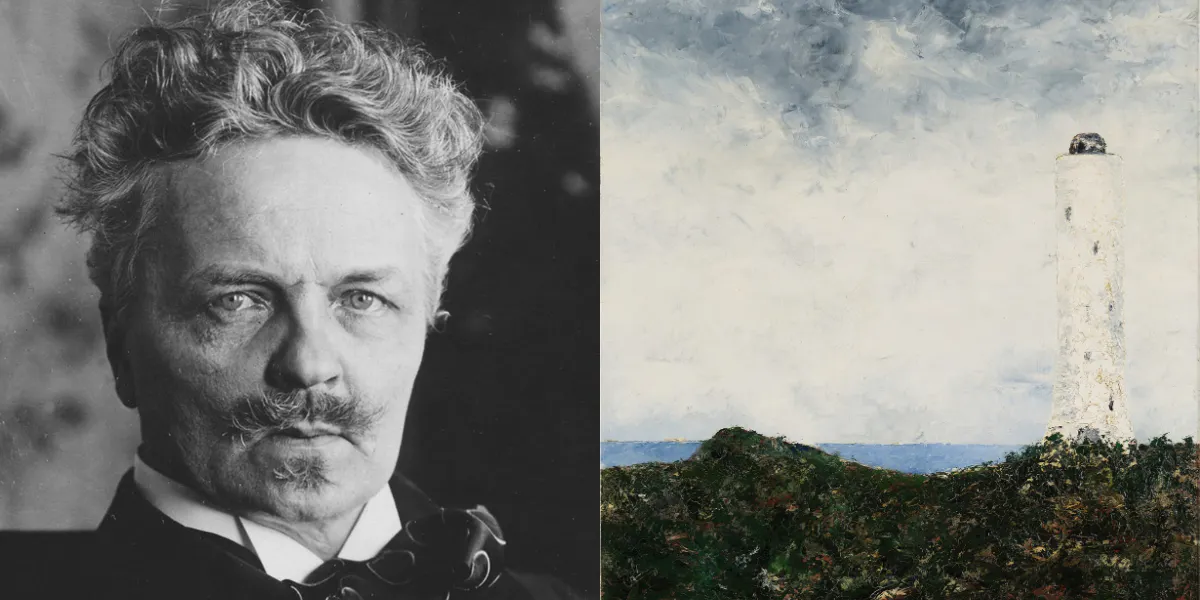
Though best known as a writer and playwright, Strindberg was also a gifted painter. He turned to painting as a way to navigate personal and creative turmoil, producing around a hundred works during three particularly intense periods: 1872–74, 1892–94, and 1901–05.
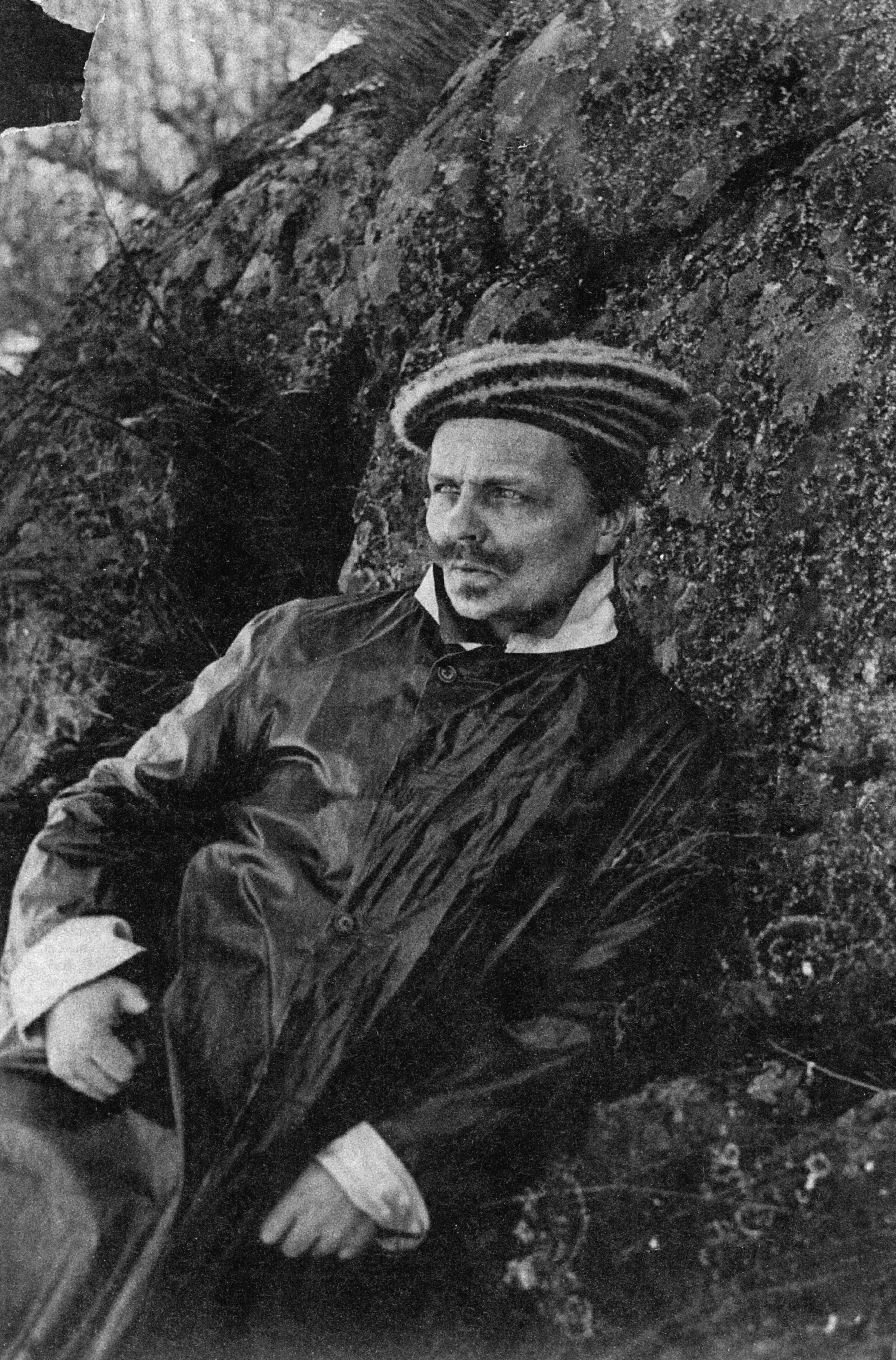
In the spring of 1892, Strindberg traveled to Dalarö in the Stockholm archipelago, where the dramatic coastal landscape gave him new inspiration. After a turbulent period—including his recent separation from his first wife, Siri von Essen—he found solace in painting. With no proper canvas at hand, he used whatever materials he could find, from book covers to zinc plates. His works from this time often depicted the archipelago’s landscape, a subject that he was very fond of.
That same year, he held his first solo exhibition in Stockholm at Birger Jarls Bazar, showcasing his Dalarö paintings. Around this time, he also began working on a series of lighthouse paintings, starting with Fyrtornet I. This small oil sketch is believed to depict Korsö Lighthouse in the Stockholm archipelago. Traditionally a symbol of warning and danger, the lighthouse also represented salvation to Strindberg—an enduring battle between chaos and order, darkness and light.
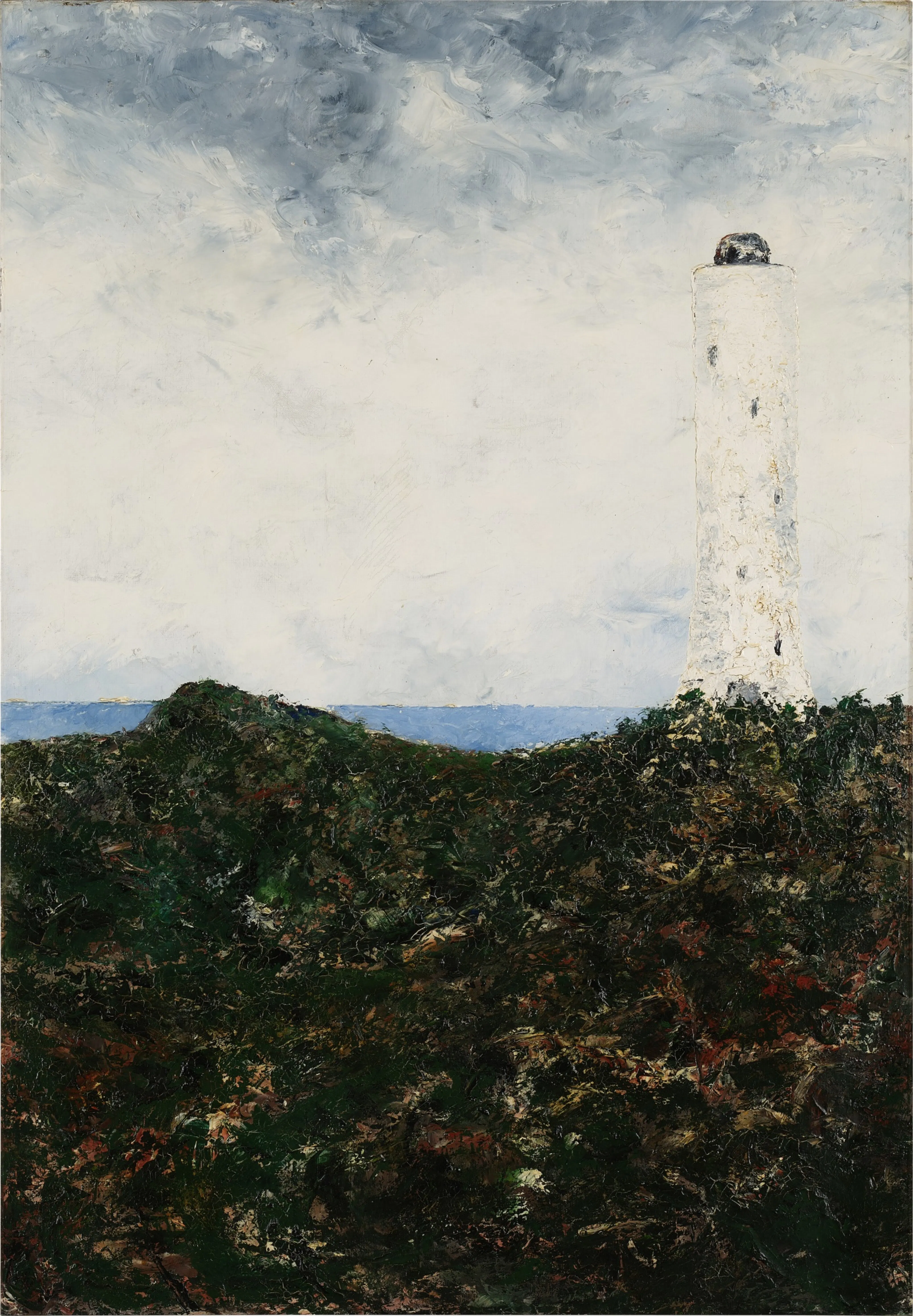
The larger oil painting Fyrtornet II (100 x 71 cm), now up for auction, was completed in 1901—a pivotal year in Strindberg’s life, as it marked his marriage to his third wife, Harriet Bosse. The lighthouse series continued with Fyrtornet III, which is now part of Uppsala University’s collection.
Strindberg’s work was influenced by symbolism, scientific exploration, and occultism. In his 1893 essay Des arts nouveaux! Ou le hasard dans la production artistique, he discussed the role of chance in artistic creation, arguing that every painting had two layers of meaning: an outer, visible one for all to see, and a deeper, esoteric meaning accessible only to the artist and a select few.
In Occult Diary, he described a particularly striking moment when he saw Korsö Lighthouse at sunrise: “I saw a vision of the future tied to Korsö Lighthouse. It was one of the most luminous moments of my life, and I have often recalled it; I have long wished to paint the lighthouse at that very moment.”
Want more articles like this straight to your inbox? Subscribe to our free newsletter!
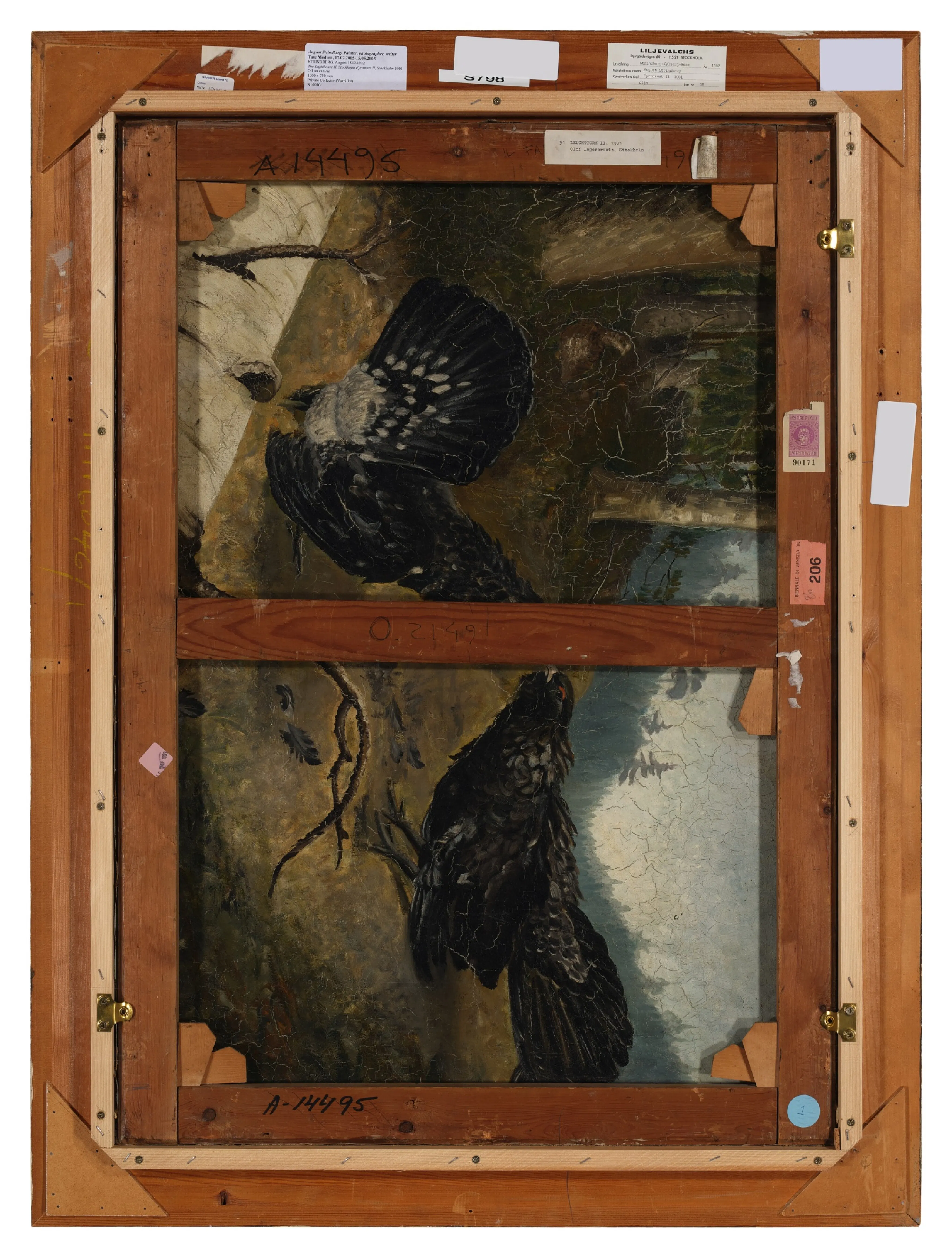
Fyrtornet II originally belonged to the Swedish artist Carlsson, a close friend of Strindberg. It later passed through the Wiström family in Hudiksvall before being sold at Bukowskis in Stockholm in 1989. After changing hands several times, it was acquired by its current owner, Jacqui Eli Safra, a collector known for assembling one of the most significant collections of Nordic masterworks from the National Romantic era. He purchased the painting at Sotheby’s in London in 1993.
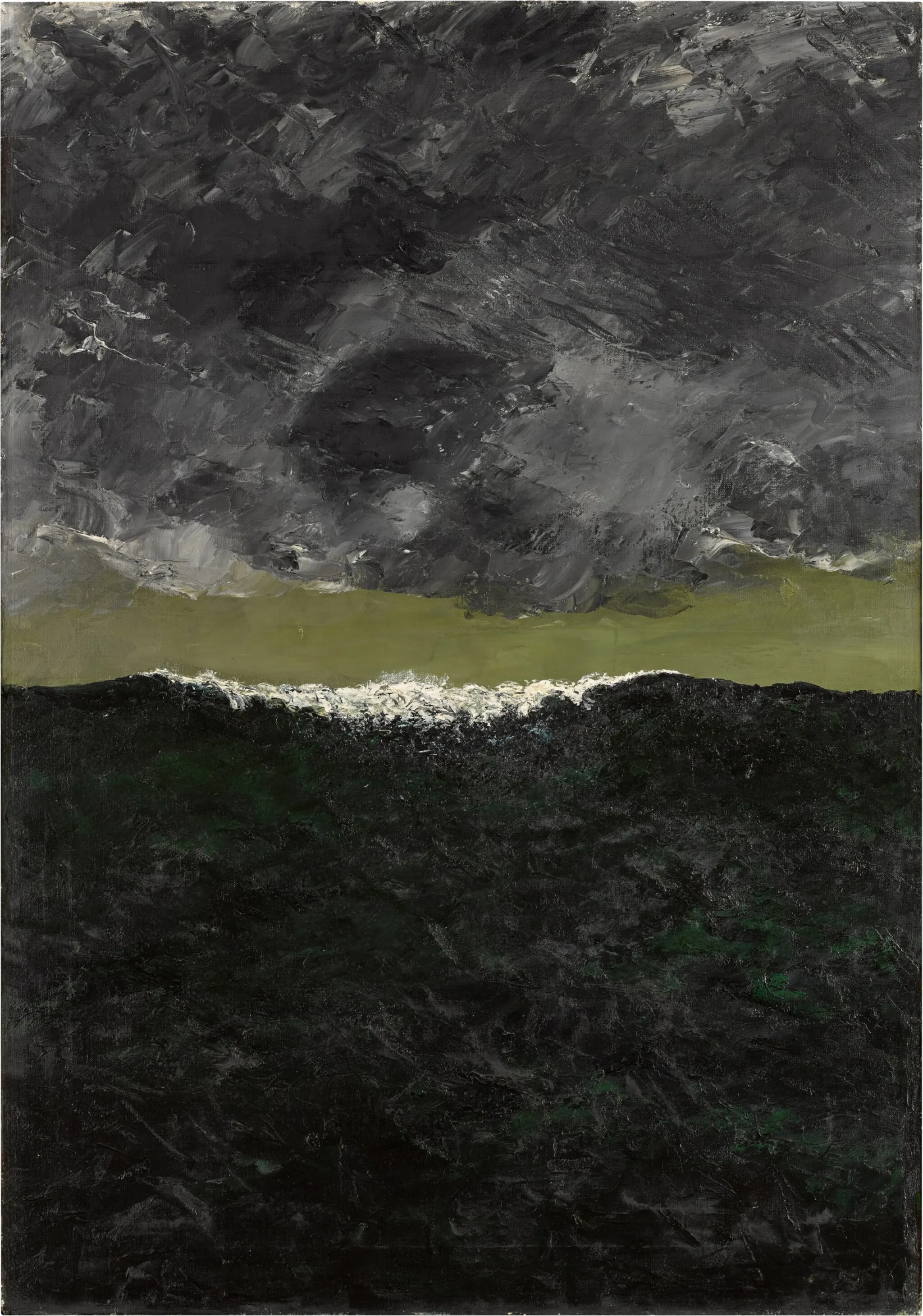
Strindberg’s paintings have long been in high demand. By the 1980s, growing international interest had cemented his place as a major figure in the Swedish art market. The current auction record was set in 2022 when his painting Vågen V (The Wave V) sold at Sotheby’s for £6.79 million (about $8.45 million), making him the most valuable Swedish artist to date.
See also: ‘Wave V’ Becomes the Most Expensive Swedish Work of Art Ever Sold
On February 6, Strindberg returns to Sotheby’s auction floor, this time with Fyrtornet II, which carries an estimate of $4–6 million. Will this enigmatic artist break yet another record?
Stay up to date with more art and auction news on Bbys Magazine!