
Artcurial's Impressionist and Modern Art sale on December 3 will delight serious art connoisseurs with its impressive selection of late 19th and early 20th century masters, including Gauguin, Cassatt, Matisse, Picabia and Buffet. Here are the highlights of the auction.
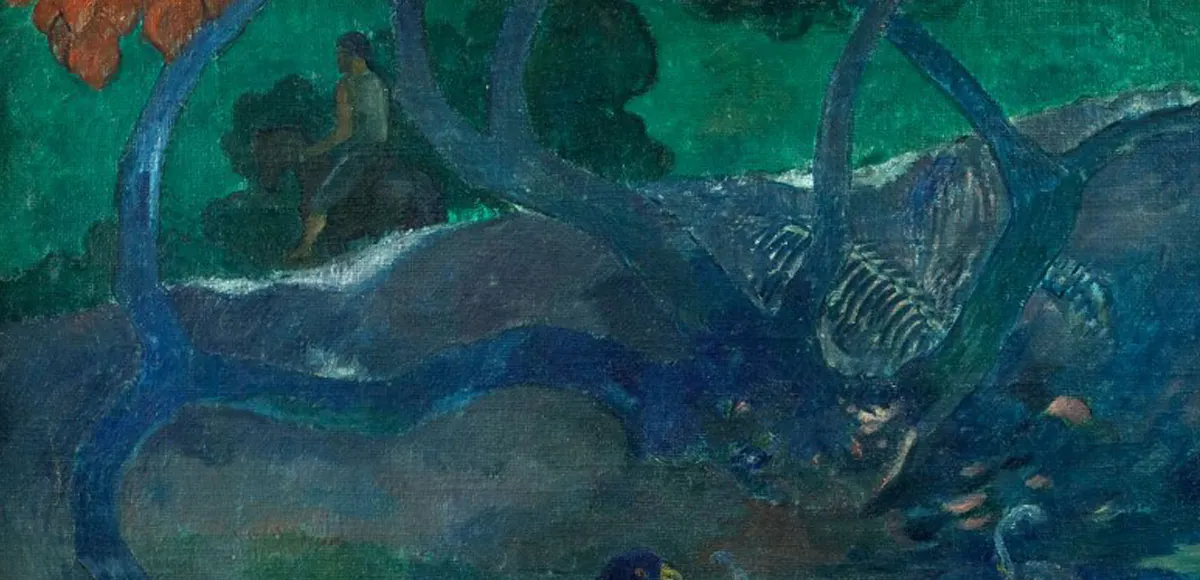
The premiere lot is a Paul Gauguin painting from his time in Tahiti that was painted in 1897-98. The foreground of the work shows a blue bird amidst the dense foliages, painted thickly by Gauguin in swaths of cerulean, emerald green and turquoise. The flora and fauna is broken up by a human presence, of whom we only see the back of a man riding a horse in the distance. To break up the monochrome, he adds a flicker of orange leaves in the left hand corner.
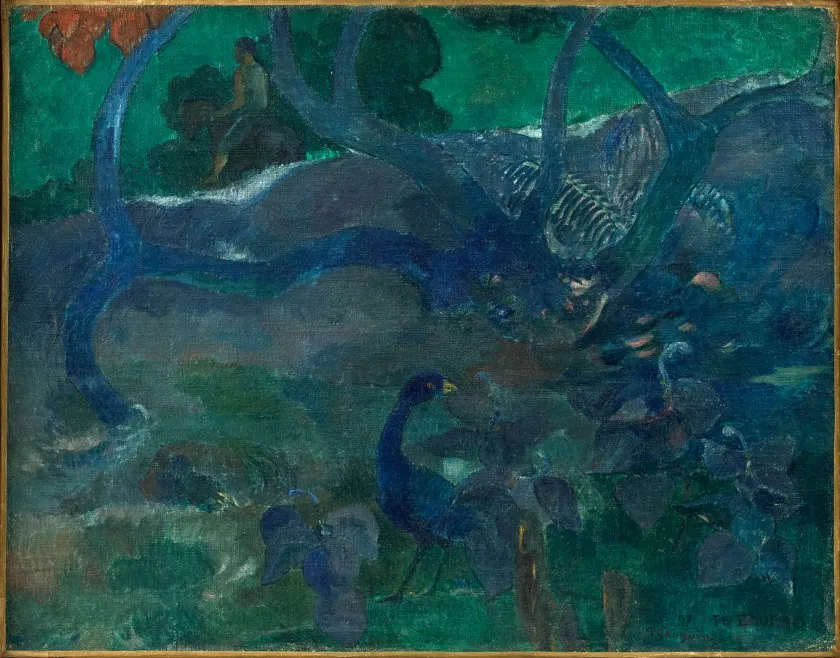
Gauguin first visited Tahiti in 1891 and, after a two-year return to France, spent the last years of his life (1895-1903) in Tahiti. These works have become the artist's most iconic and expensive with Nafea Faa Ipoipo (When Will You Marry?), painted in 1892, becoming one of the world's priciest paintings ever when it sold for $210 million in 2015.
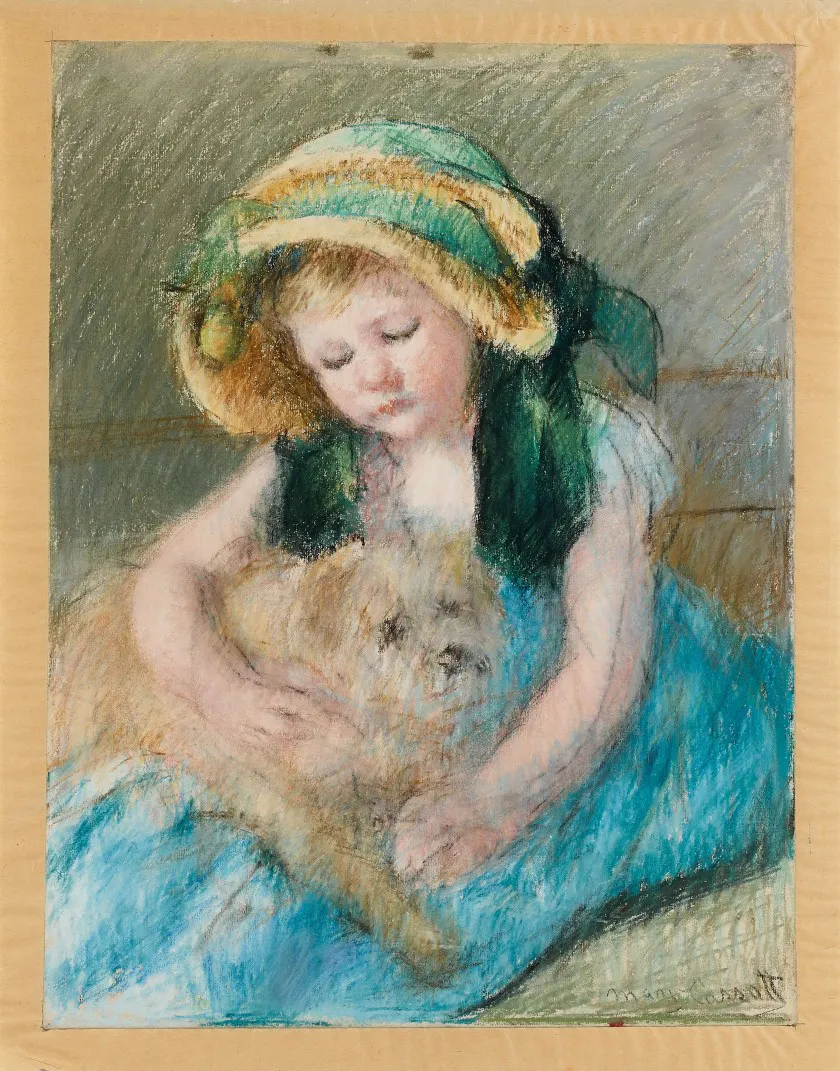
Another top work is Mary Cassatt's Sara au bonnet avec son chien (1901). The American artist, who lived the majority of her life in France, portrayed women and children in tender, intimate settings. She joined the Impressionists in the 1870s at Edgar Degas' invitation and achieved a great deal of success on both sides of the Atlantic. This beautiful work is emblematic of Cassatt's style and oeuvre, showing a young girl petting her dog, rendered softly in pastel tones.
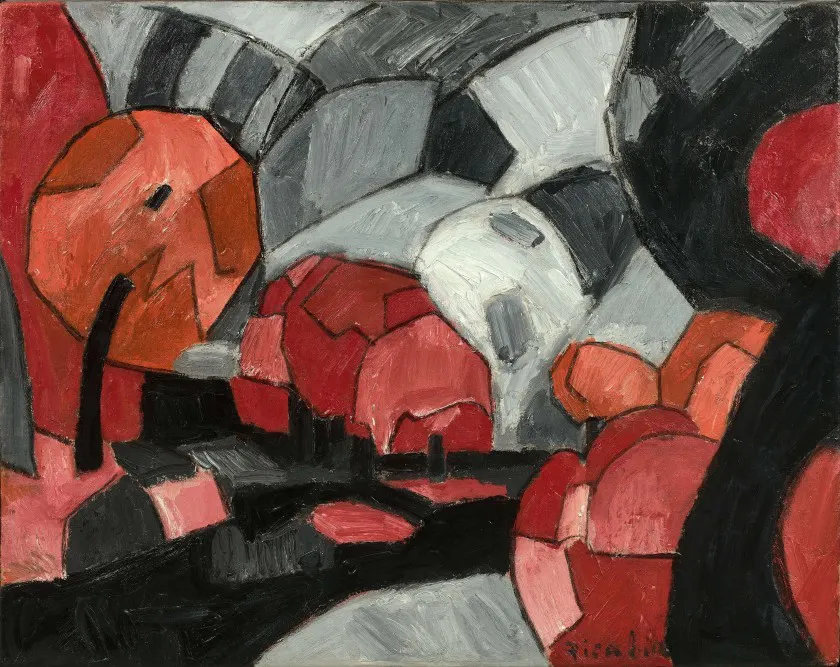
This abstract by Francis Picabia was painted a year before he attended the 1913 Armory Show in New York, where Alfred Steiglitz spotted his talent and gave him a solo show in his gallery. However, before he turned to avant-garde, Dadism and modern abstraction, he was influenced by Impressionist landscapes and the title of this work (Paysage de la Creuse) reveals how this painting is an abstracted impression of a French landscape. Executed in bold, contrasting tones of red, orange, grey and black in geometric shapes, the work shows clear influence of Cubism.
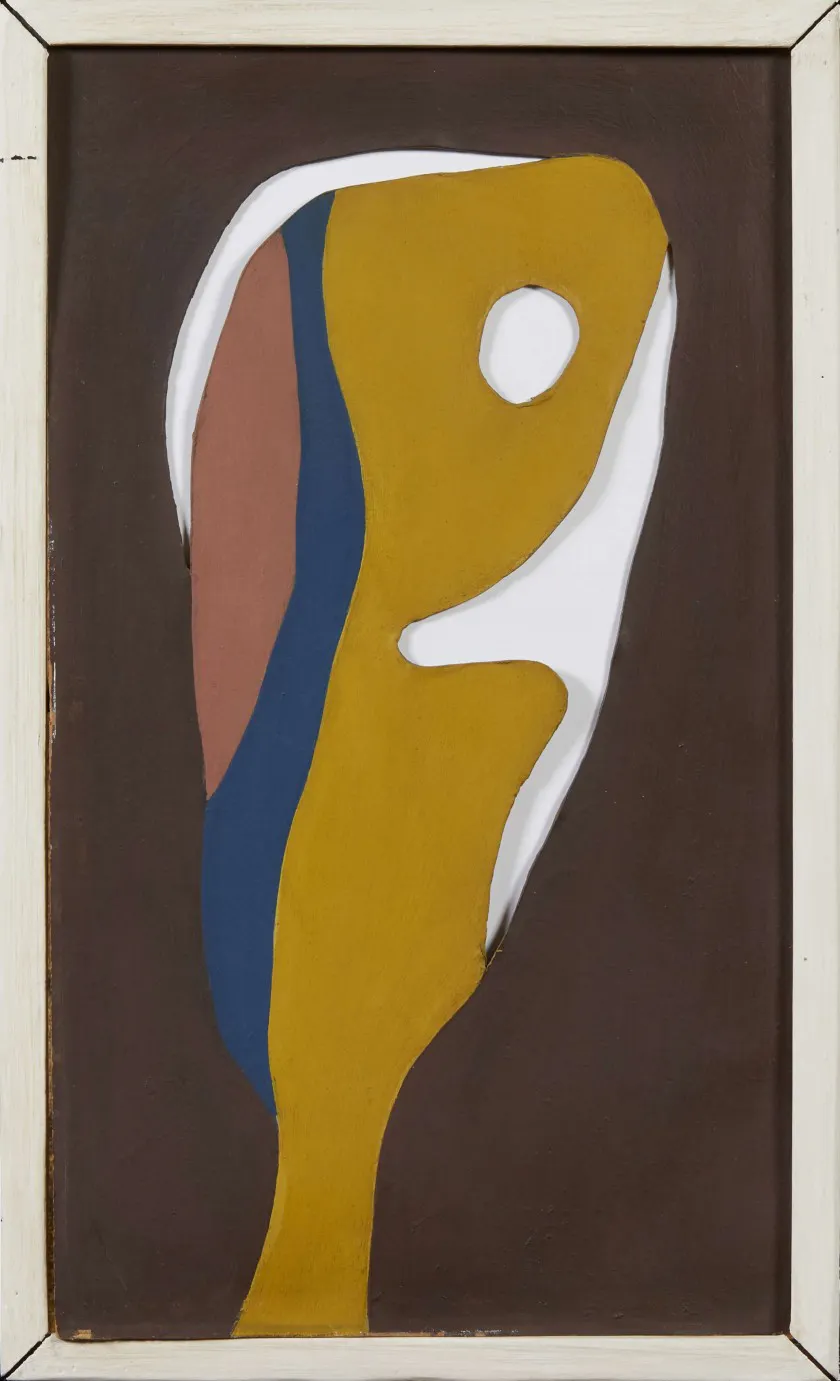
Another former Dadaist was Jean Arp, who will be represented by his Tête se refletant dans un miroir, Oeil, nez, ride (Head reflecting in a mirror, Eye, nose, wrinkle) on painted cardboard. Arp painted this work in 1926, the year he moved to Paris and worked with the Surrealists before founding Abstraction-Création, a group of artists who rebelled against Surrealism and pushed for abstraction.
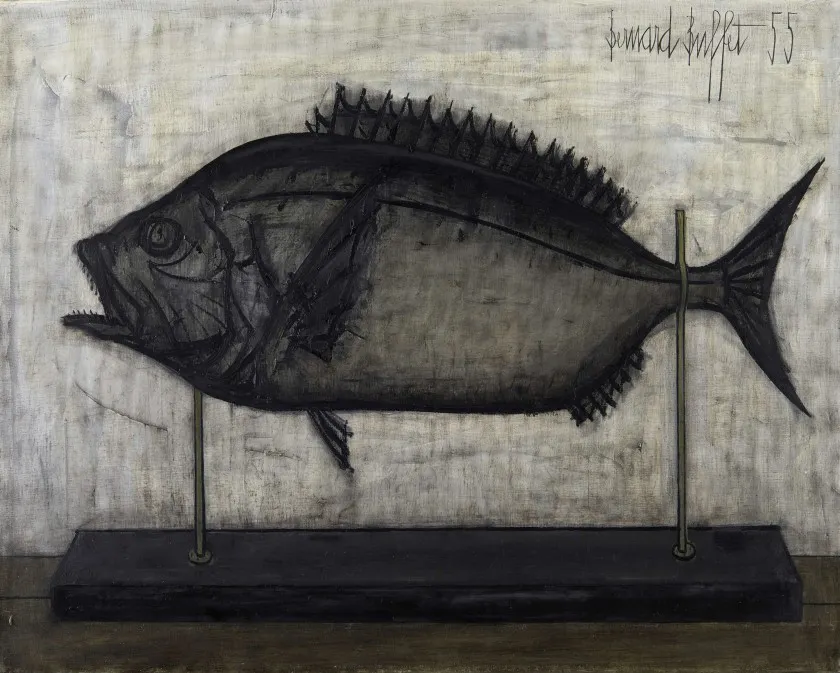
French artist Bernard Buffet, on the other hand, actively opposed abstraction and championed representation as part of the Expressionist movement and member of anti-abstract group L'homme Témoin (Witness-Man). Known for his drawn, intense faces in dark tones, Buffet translates that design into this depiction of a fish, titled Labre Vert (Green Wrasse) in oil on canvas.
Find more Artcurial lots on Barnebys
This article is sponsored by Artcurial