
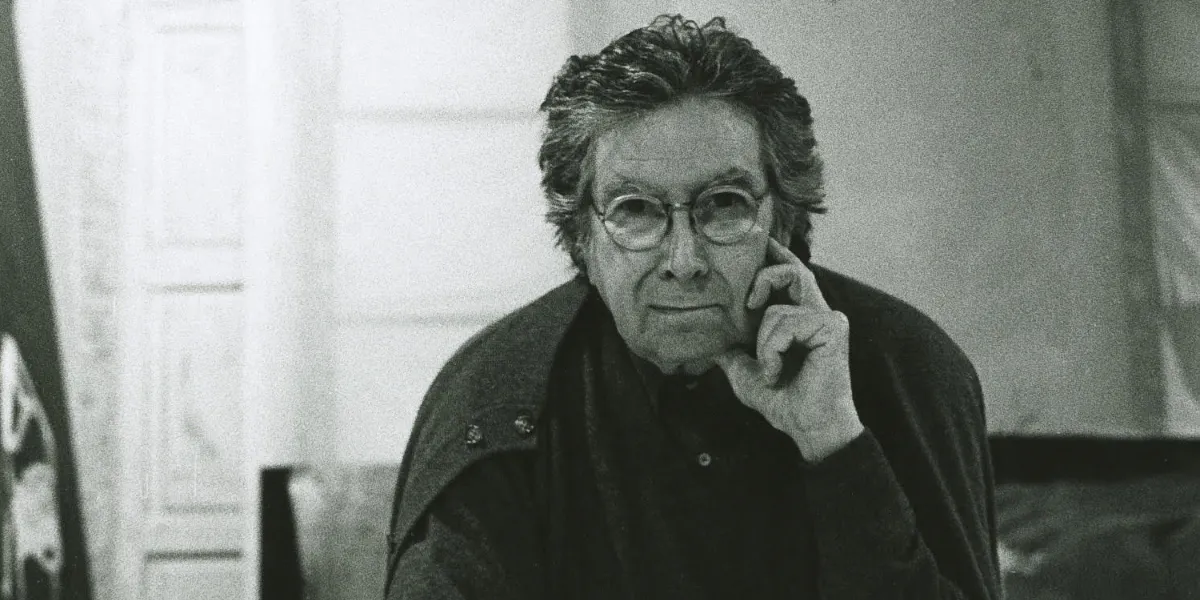
Antoni Tàpies was born on December 13, 1923 in Barcelona. During his 88-year life, Tàpies came to be one of his most important European artists. Here are five facts to know about the artist.
1. He planned to follow his father's footsteps
Antoni's father, Josep Tàpies, worked as a lawyer and was a devoted Catalan nationalist. The young Antoni grew up in a conscious political environment, where Catalan cultural life was at the center. In 1940, Tàpies began, like his father, to study law, but after three years of his education he devoted himself to painting full-time.
2. He founded a Surrealist group
Tàpies began his artistic career as a surrealist, and in 1948 he co-founded Dau al Set, a group of artists and writers who dedicated themselves to the surrealistic philosophy inspired by Paul Klee and Joan Miró. However, Tàpies’ career as a surrealist was short lived, as he soon moved towards an increasingly abstract design language.
Related: Surrealism and the Subconscious
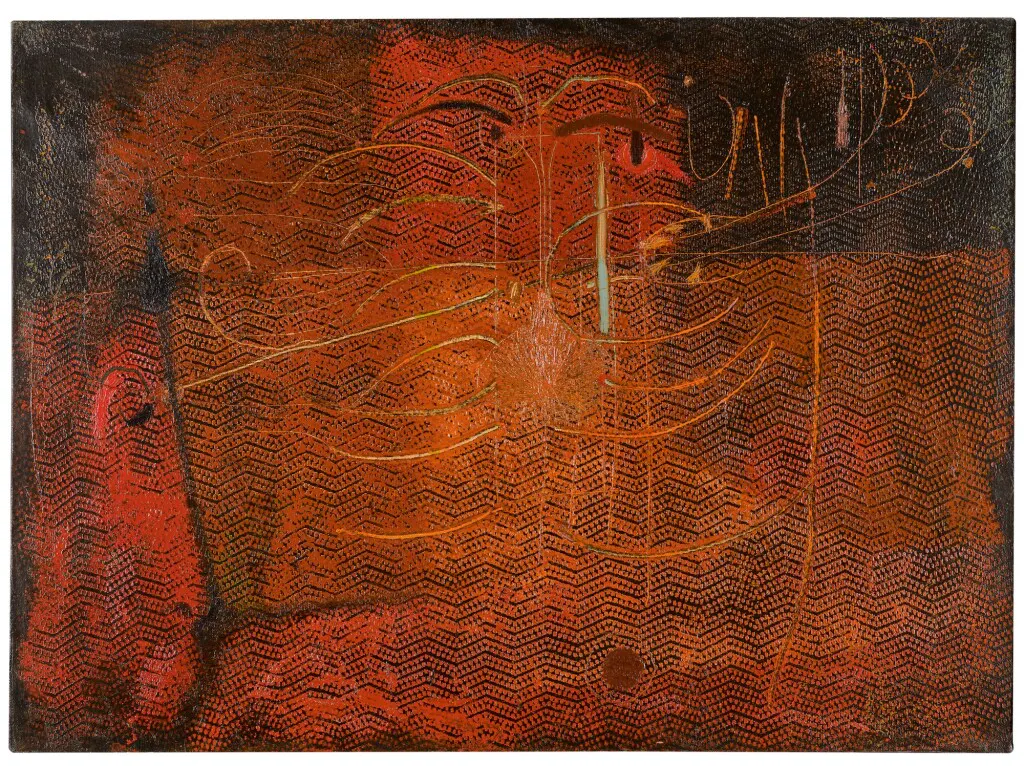
3. The haute pâte technique was his invention
Tàpies never studied painting and was more or less self-taught. During the 1950s he pioneered a technique called Haute pâte (thick paste), where color was mixed with other materials such as gravel, plaster, stone and paper, which made the work surface incredibly thick. In some cases, Tàpies worked with completely different objects, as in his famous work Desk and Straw from 1970, where an old desk served as his canvas.
Want more articles like this straight to your inbox? Subscribe to our free newsletter!
During the 1950s, Tàpies became internationally recognized and collaborated with several other Spanish informalists such as Enrique Tábara, Antonio Saura and Manolo Millares.
4. Painting wasn't his only artistic medium
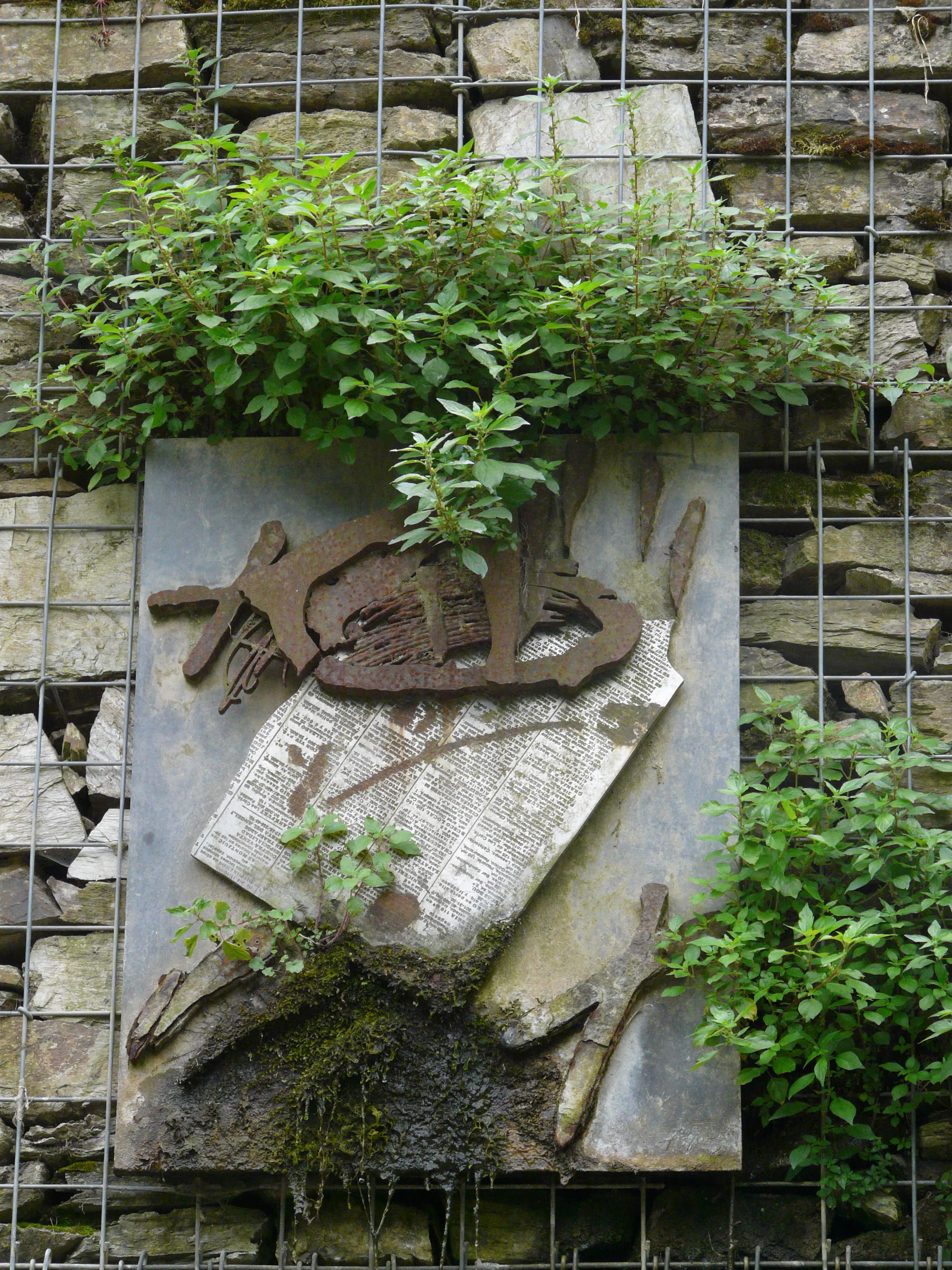
Tàpies didn’t let himself be limited to painting, and he also worked with sculptures, collages, installations and lithographs, creating more than a thousand different pieces during his lifetime. In his graphic work, simple expression was always at the center.
Related: Joan Miró: Modern Art in All Mediums
5. He used his art to comment on politics
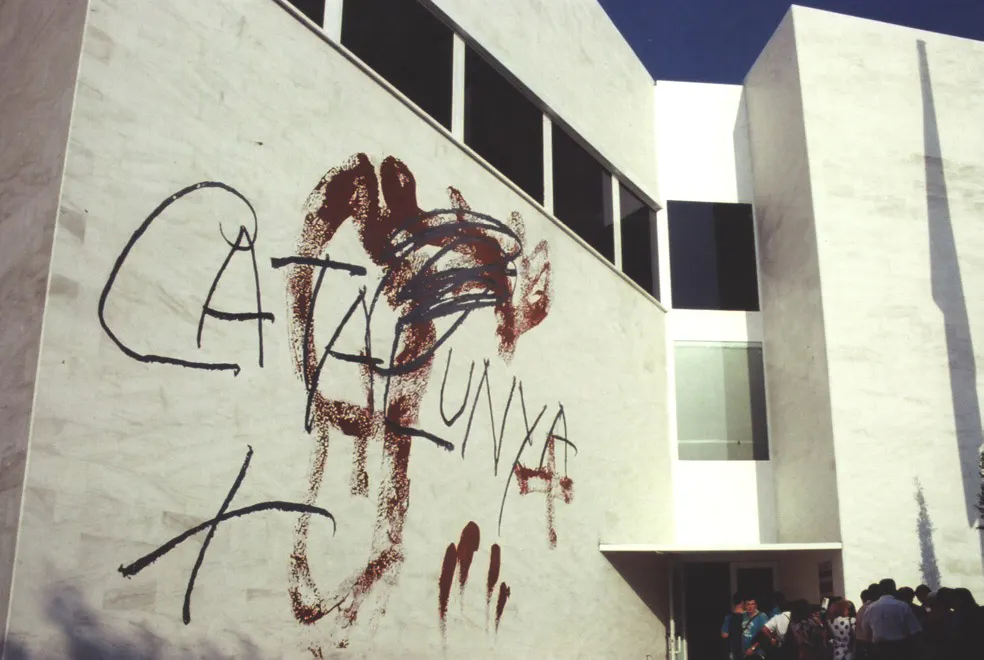
From the 1960s onwards, Tàpies added more iconographic elements to his work. Letters, numbers, signs and symbols took place on the canvas and he commented on anything and everything, from the Catalan situation to the Franco regime's atrocities.
Related: Picasso: The Universal Artist
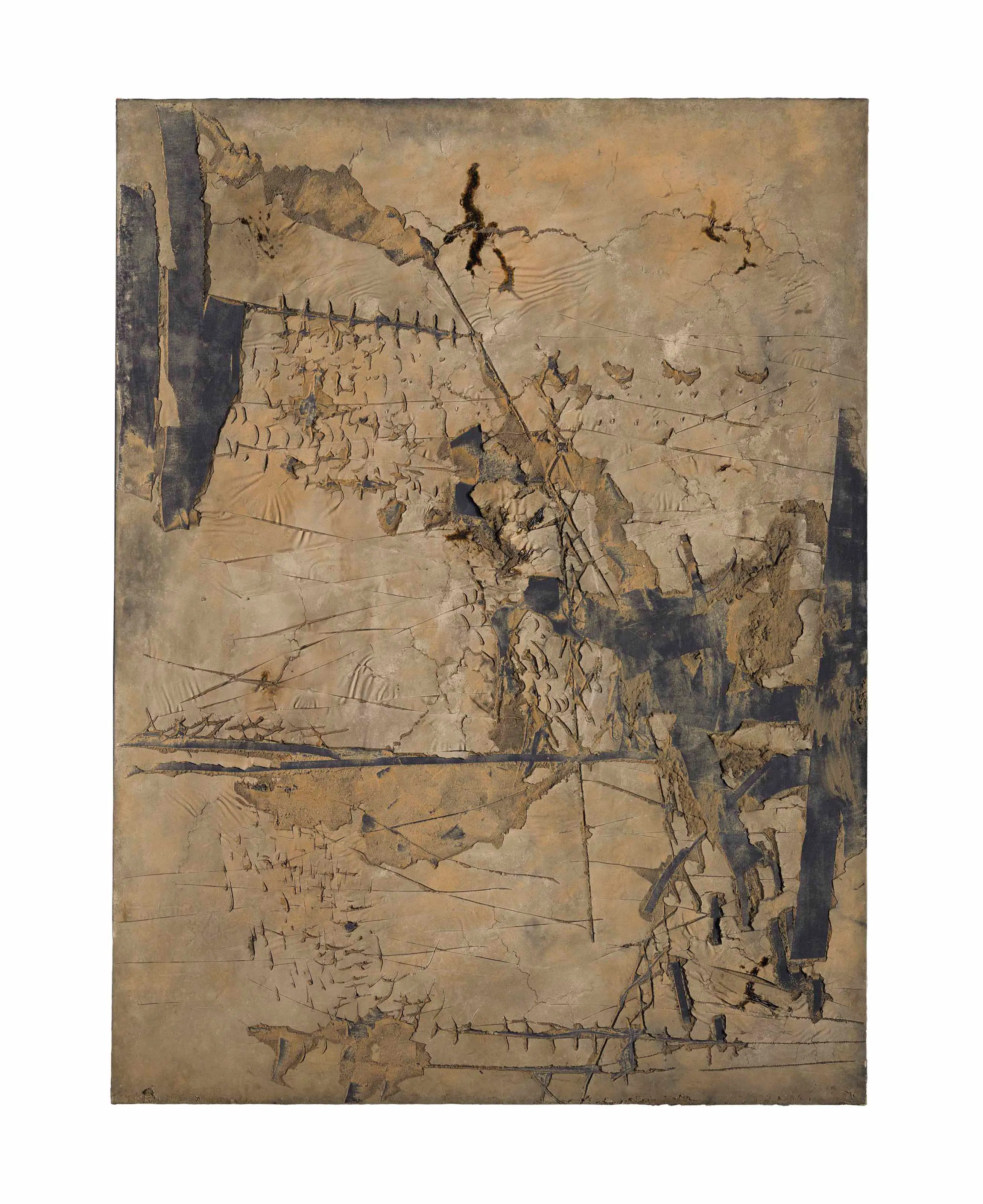
In 2012, Antoni Tàpies died at the age of 88 in his hometown of Barcelona. He is regarded as one of the most prominent Catalan painters, and his works now reach significantly high prices at auction. His record was set at Christie's in 2014 when Large Ochre with Incisions sold for $2.8 million.
Find more articles on Barnebys Magazine
This is an updated version of the article originally published on May 21, 2019


