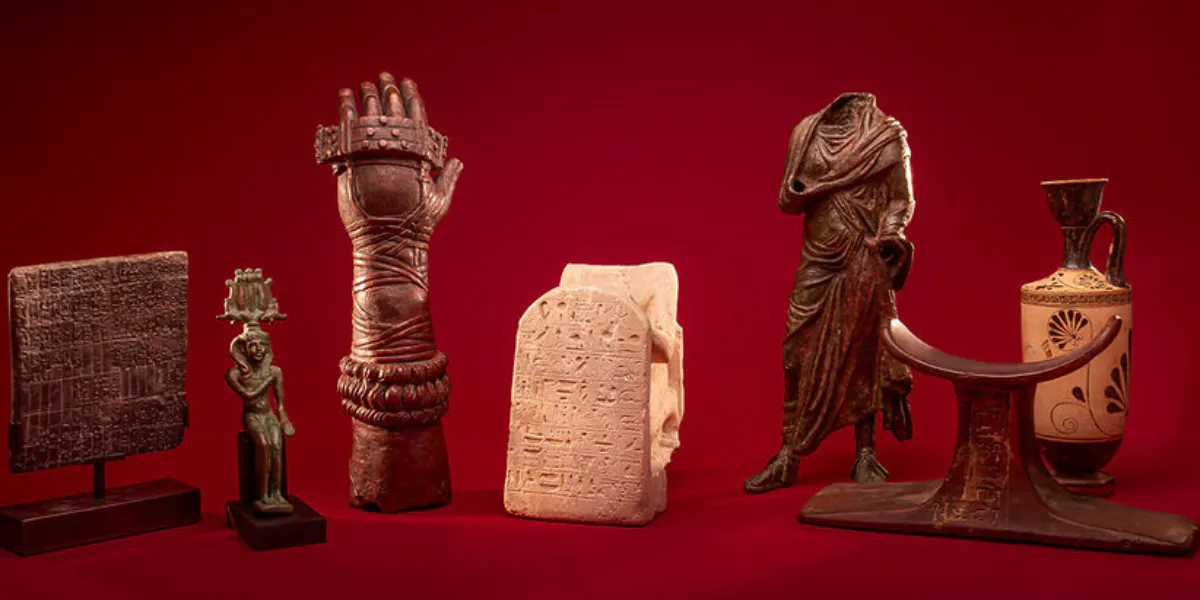
Apollo Art Auctions will offer a further selection of works from the Prince Collection from May 9 June 21, in a three-part sale encompassing ancient art and antiquities, jewelry and beads, and Asian and tribal art. The collection, assembled over several decades, has attracted international attention for the breadth and quality of its offerings, spanning cultures from ancient Egypt and Greece to the Roman world and beyond.
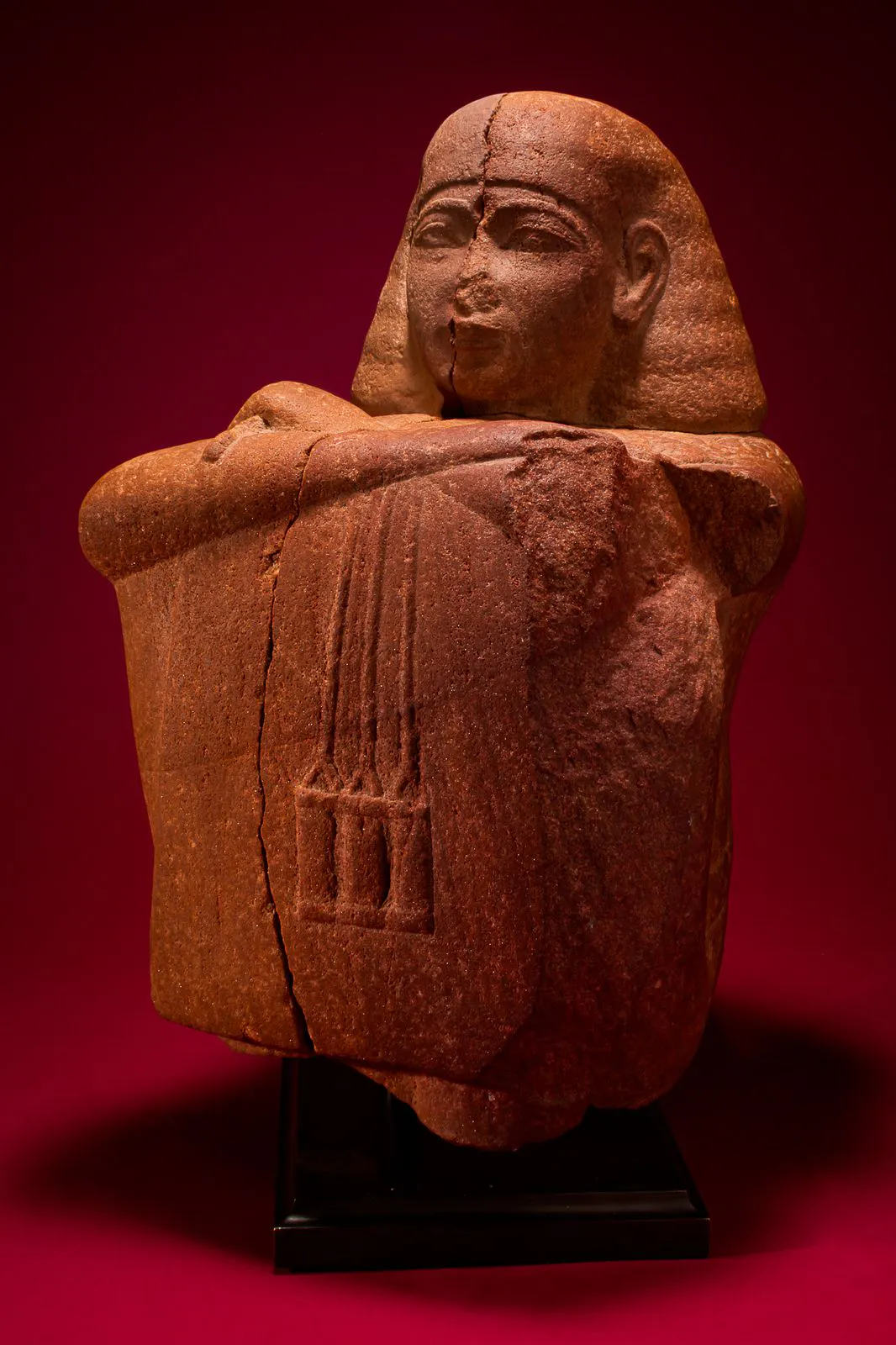
Leading the sale is an Egyptian red quartzite block statue dating to the reign of Amenhotep III (1391–1353 BC). The sculpture depicts a seated priest wrapped in a long skirt and wearing a cheetah skin associated with religious office. Apollo notes that the figure may represent Yuya, the influential priest of Min and father of Queen Tiye, grandmother of Akhenaten. The work comes with a documented collecting history extending back to the 1960s and was exhibited in the 2002 exhibition At the Court of the Pharaoh from Amenhotep I to Tutankhamun. Finely carved and inscribed with hieroglyphs, it offers a rare glimpse into the elite circles surrounding one of ancient Egypt's most powerful dynasties.
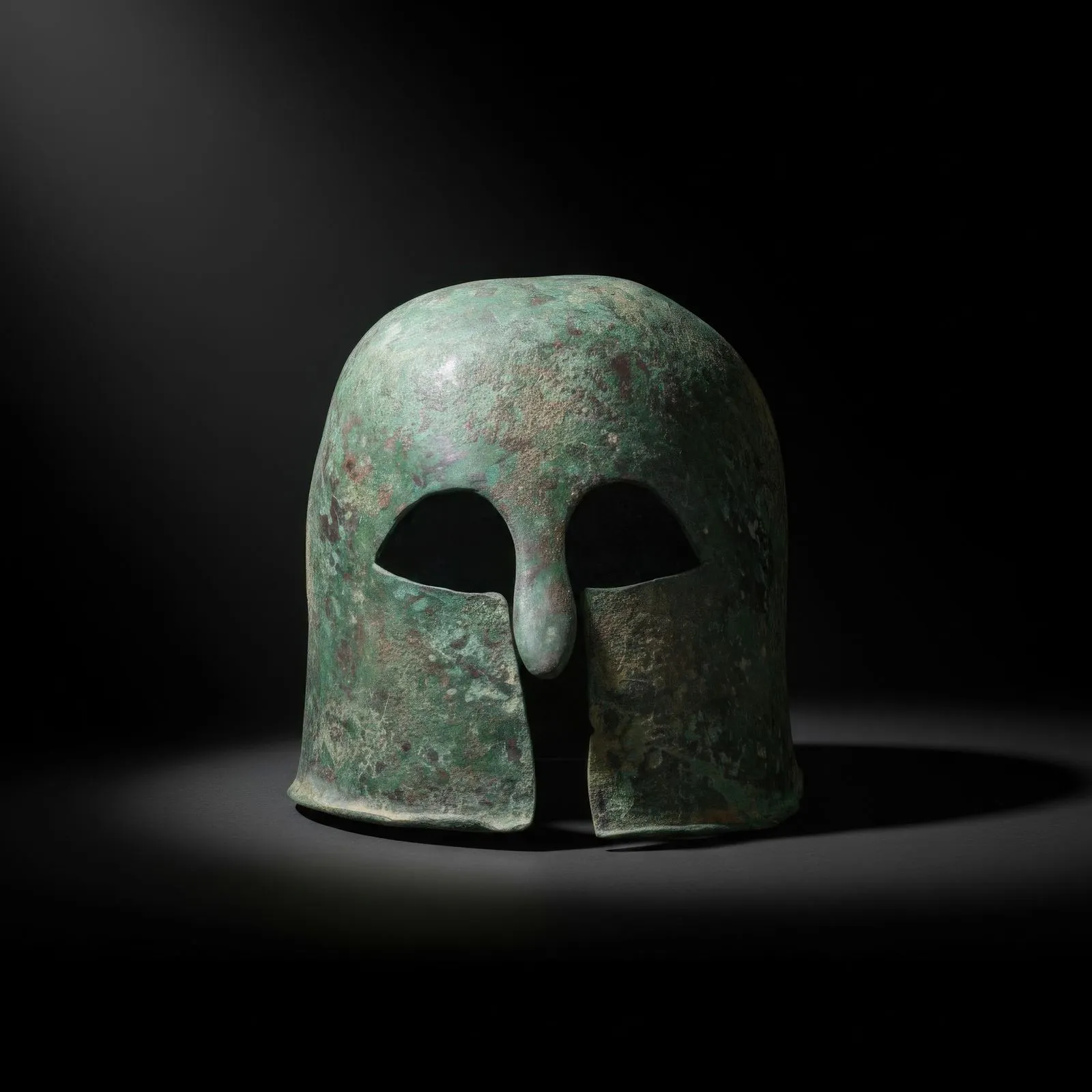
Among the most striking objects in the sale is an Early Greek Corinthian bronze helmet dating from the sixth century BC. Characterised by its almond-shaped eye openings, pronounced nose guard and broad cheekpieces, the form became one of the defining symbols of the Greek hoplite warrior. The helmet passed through the collection of German collector Hans Stahl and is accompanied by a historical report by cultural heritage specialist Alessandro Neri.
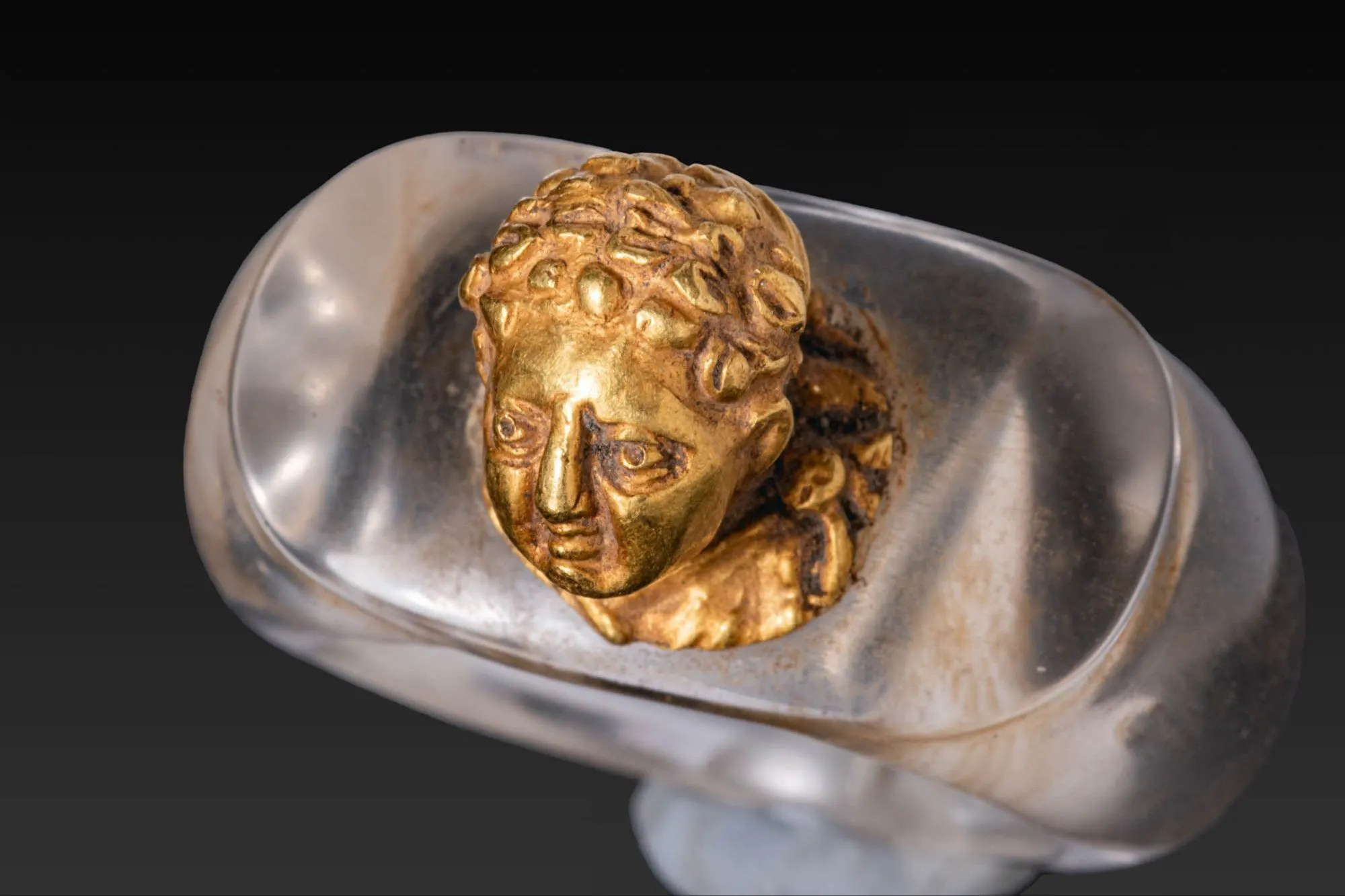
The sale also includes a rare Roman ring carved from rock crystal and surmounted by a gold bust of an emperor. Dating between the first and third centuries AD, the jewel combines an unusual material with finely worked gold decoration. Comparable examples are exceptionally scarce, with a similar ring in the collection of the British Museum.
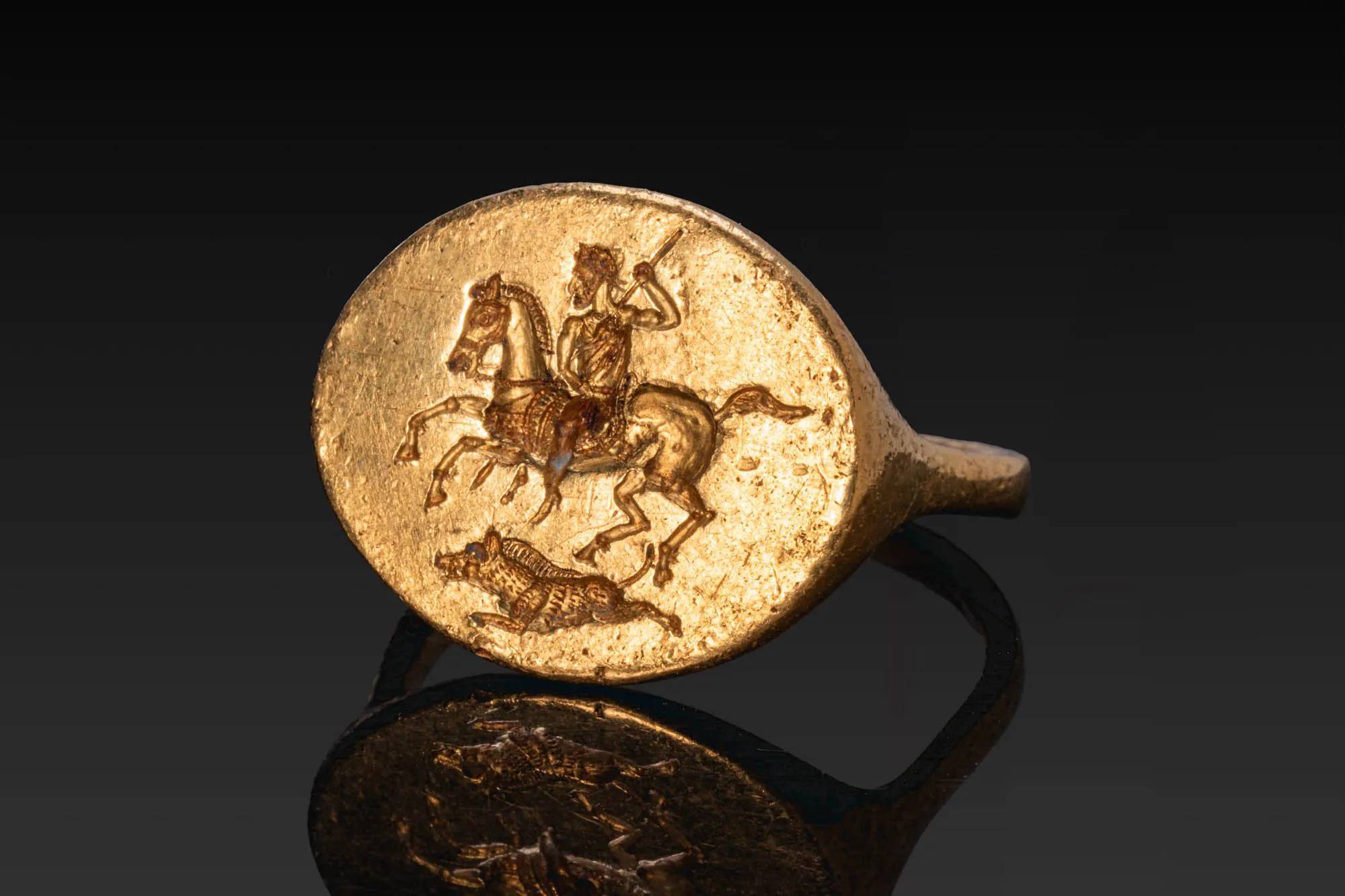
Another Roman highlight is a superb solid-gold ring engraved with a dynamic hunting scene showing a mounted god pursuing a wild boar. Dating to the first century AD, the piece reflects the importance of hunting imagery in Roman visual culture, where such scenes could evoke heroism, status and divine protection.
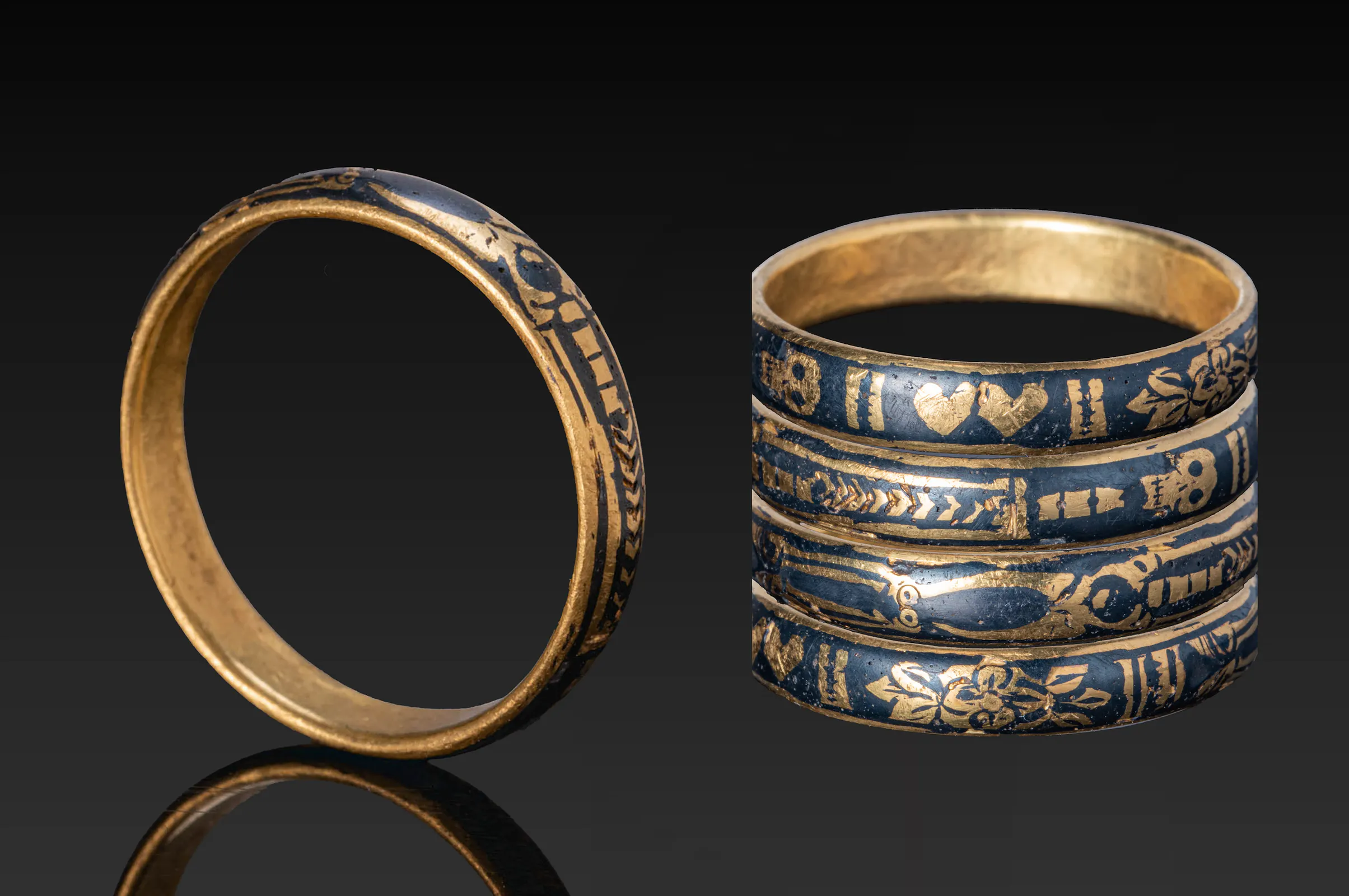
Rounding out the selection is a post-medieval gold memento mori ring dating from the early 18th century. Decorated with a skeleton set against a black enamel ground, the jewel belongs to a long European tradition of memorial jewellery intended to remind the wearer of mortality. Its stark imagery contrasts sharply with the luxury of its materials, making it one of the most distinctive pieces in the sale.