
On June 20th, Cooee Art offers a splendid summer auction. As Australia’s oldest Indigenous-focused auction house, they’ve gathered a collection of contemporary Indigenous art for your lucky perusal. See several of the highlights below!
Emily Kame Kngwarreye – Final Series, 1996
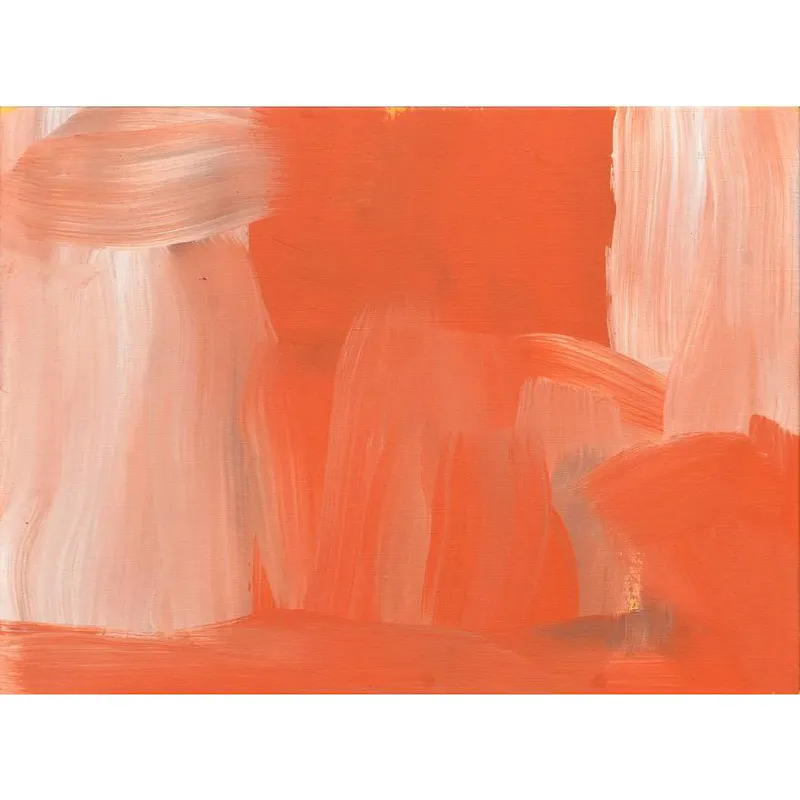
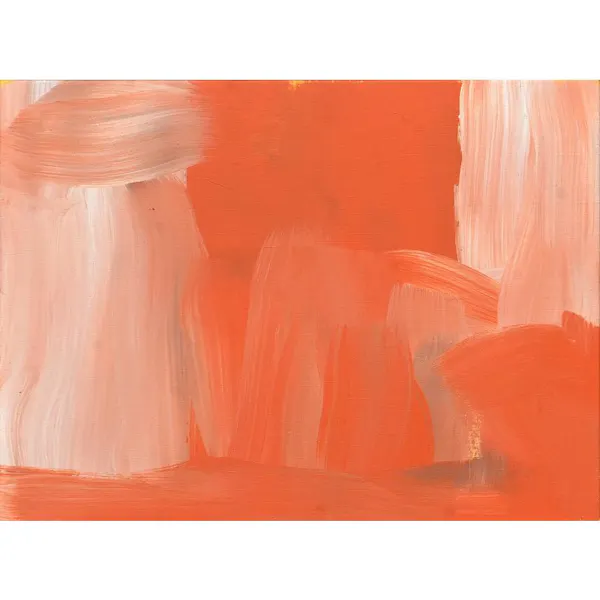
This work by Kngwarreye is one of rarest of the collection. Created shortly before her death, only 24 of these canvases were ever produced. Emily Kame Kngwarreye (1910 – 1996) was born in a remote section of the Australian desert known as Utopia. For two-thirds of her life, she had little contact with those outside. It’s only when she began painting at the age of 79 that the world saw her. Over seven years, she created some 4,000 canvases, born of her position as an Anmatyerre elder and custodian of Alhalkere’s Dreaming sites. Her reputation has continued after her passing, with a notable 2022 exhibition at the Gagosian, Paris.
Richard Bell – We Own This, 2013
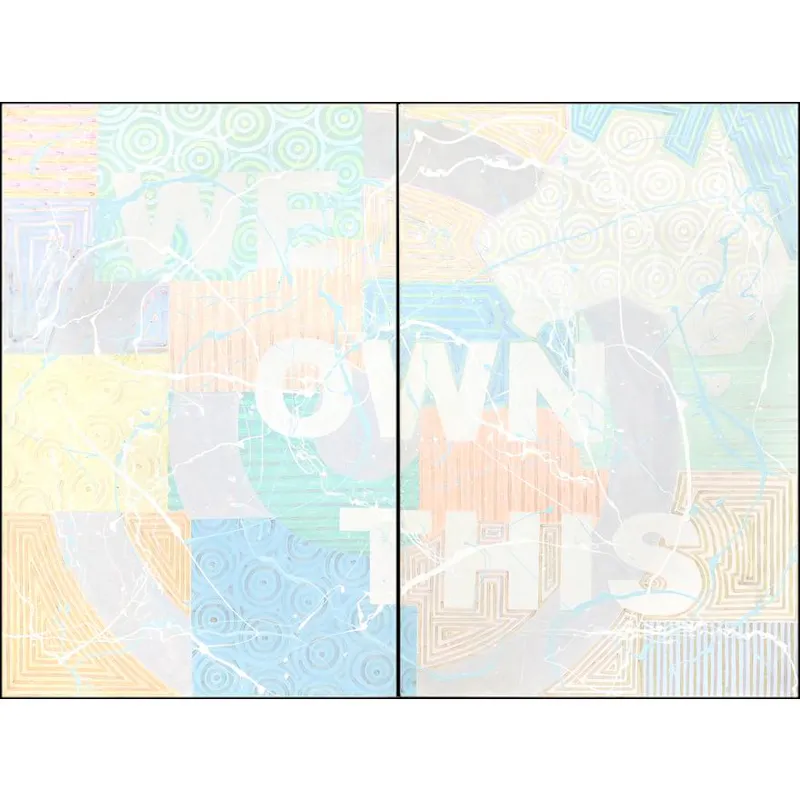
Richard Bell (b. 1953) grew up an eyewitness to the mistreatment of Aboriginal peoples. He spent his childhood in a corrugated tin shack on his reserve; at the age of 14, the Australian government bulldozed that home. In the 1970s, he joined the Aboriginal Rights Movement, then worked for the New South Wales Aboriginal Legal Service. He began painting at 34 as a way to make money, selling to tourists. In 2003, he came to national attention, winning the Telstra National Aboriginal & Torres Strait Islander Art Award. Known for his vibrantly brutal confrontation of racism, his work can be compared to the likes of Lichtenstein and Warhol. This piece is a beautiful example.
Sally (Mirdidingkingathi Juwarnda) Gabori – Hunting Ground at King Alfreds’ Country, 2006
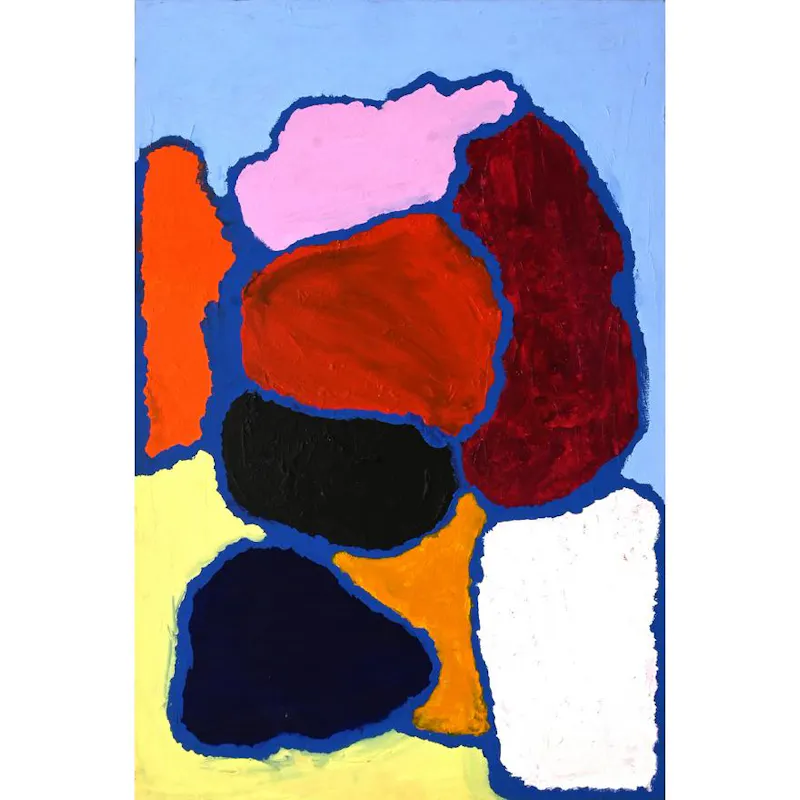
Sally (Mirdidingkingathi Juwarnda) Gabori (1924 – 2015) was born a member of the Kaiadilt people and raised on Bentinck Island. Growing up largely isolated, Gabori and her people were forced to move to the Presbyterian-run Mornington Island in 1948 following a devastating cyclone. There, she bore witness to children forcibly removed from their parents and forbidden to speak their language. It wasn’t until the 1990s that that Kaiadilt people were allowed to return to their native land. It was then, at 81, that Gabori began to paint. Now known for her intimate portrayals of Bentinck and her endless imagination, Gabori sought to honor her homeland. And that she still does, in stunning examples such as this: the Fondation Cartier just hosted a solo exhibition for her this year.
Kathleen Petyarre – Mountain Devil Lizard Dreaming (After Hailstorm), 2001
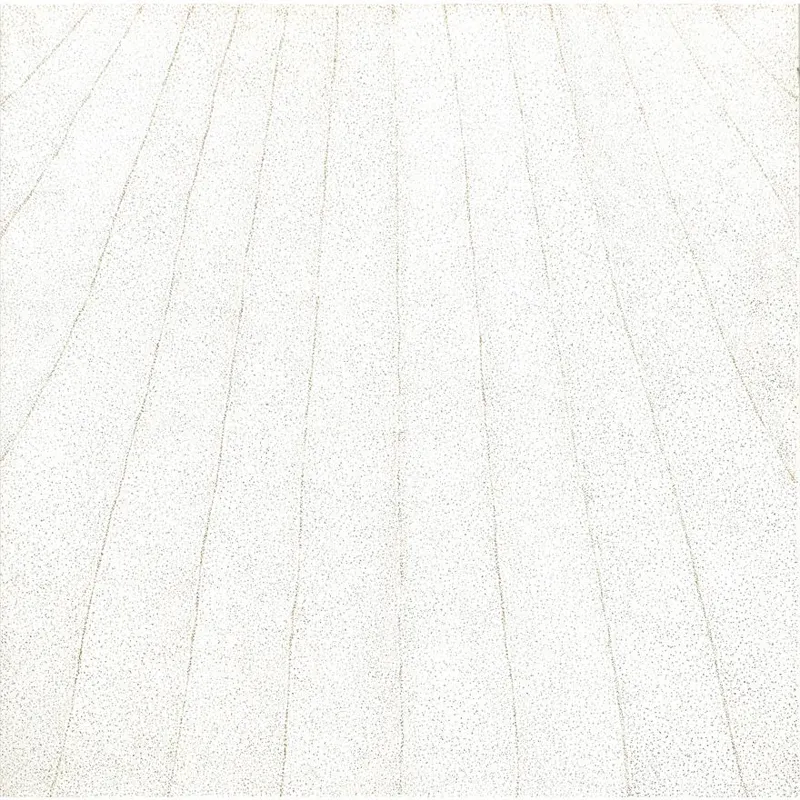
Born and raised in Atnangkere, a member of the Eastern Anmatyerre clan, this niece of Kngwarreye began her crafting from an early age. Devised from the Dreamings of her totemic ancestor, the Mountain Devil Lizard, Petyarre’s paintings are illustrations of the Eastern Desert landscape. This one, in particular, is the depiction of a sacred Dreaming site, where the peoples of the eastern Anmatyerre language conduct sacred initiation ceremonies. She considered this honoring her birthright, and is now exhibited worldwide.
Yannima Tommy Watson – Iyarrka, 2013
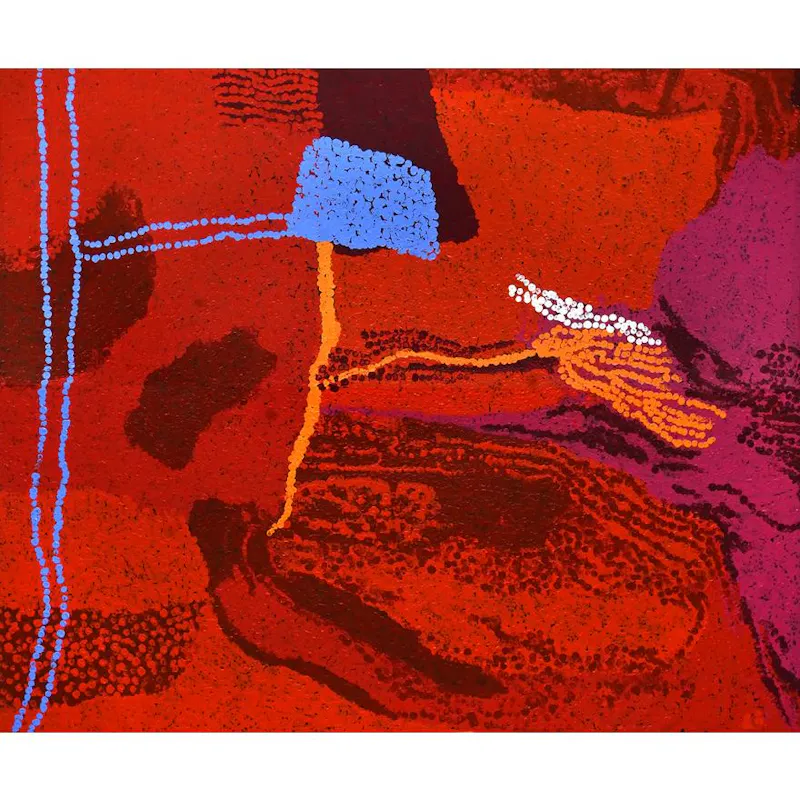
Yannima Tommy Watson (c. 1935 – 2017) was raised nomadically, a Pitjantjatjara elder taught to live off the desert land. It wasn’t until 2001 that he began painting at an arts center in Irrunytju. The following year, he debuted to acclaim at the Desert Mob exhibition. His reputation grew rapidly: he was compared to Matisse. Known for his intimate, vibrant depictions of Dreaming stories, he was commissioned in 2006 to create a permanent installation at the Musée du Quai Branly. It’s still there, and stunning pieces like this prove his artistry.