
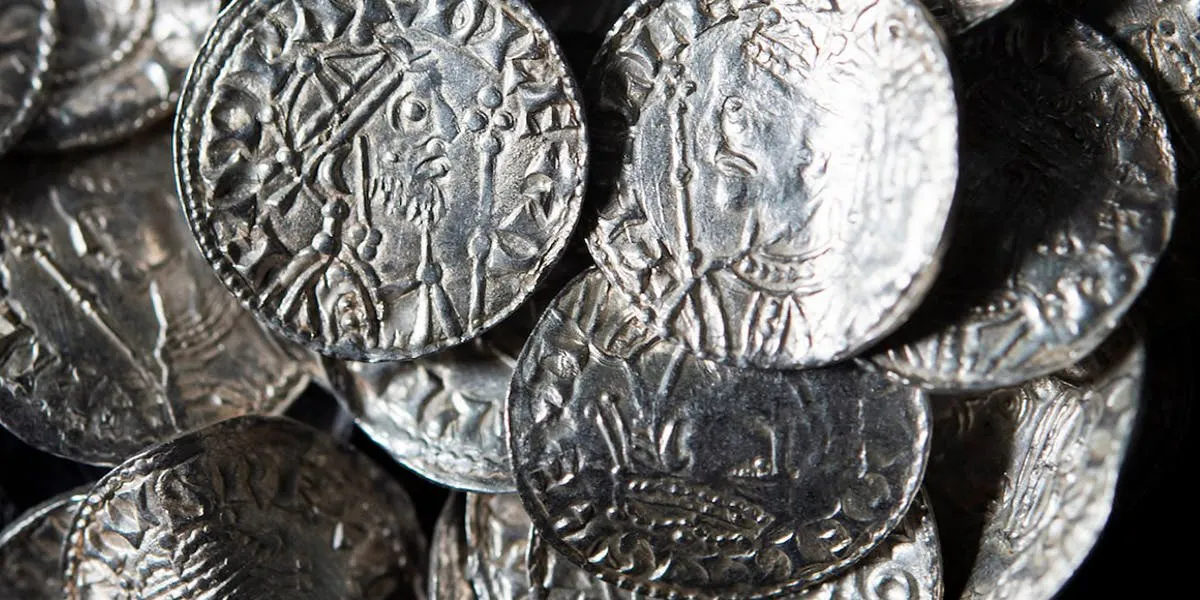
The treasure of coins found in a field in Somerset is the largest collection dating from the period after the Norman Conquest to be discovered. The set includes 2,528 pieces dating back to the Battle of Hastings (1066), including several rare examples of ‘mules’ (pieces featuring the faces of a different king on each side to prevent coin makers from paying additional taxes).
It is likely that the treasure was buried by a wealthy owner a few years after the Battle of Hastings. According to the specialists of the British Museum, the number of pieces bearing the head of William the Conqueror is five times higher than that which we know today, and could bring invaluable knowledge of the time and the population obeying the Norman laws
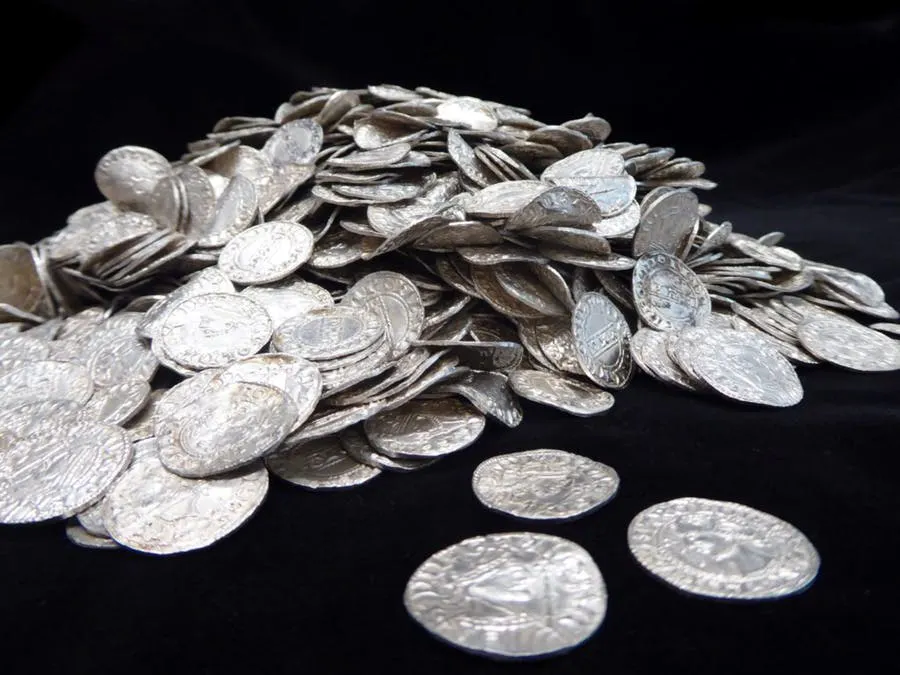
Lisa Grace and Adam Staples, an experienced metal detectorist couple, said they taught an amateur friend, who wishes to remain anonymous, how to use a new piece of metal-detecting equipment in a field in Chew Valley, Somerset, when he picked up a signal coming from the first piece. After five hours of digging through shallow ground, the group headed to the British Museum with 2,500 pieces in buckets borrowed from a neighboring farmer.
Some coins appear to have been stamped with two faces, those of two different kings, suggesting that the manufacturer used coins already in circulation to avoid paying the tax on the up-to-date design.
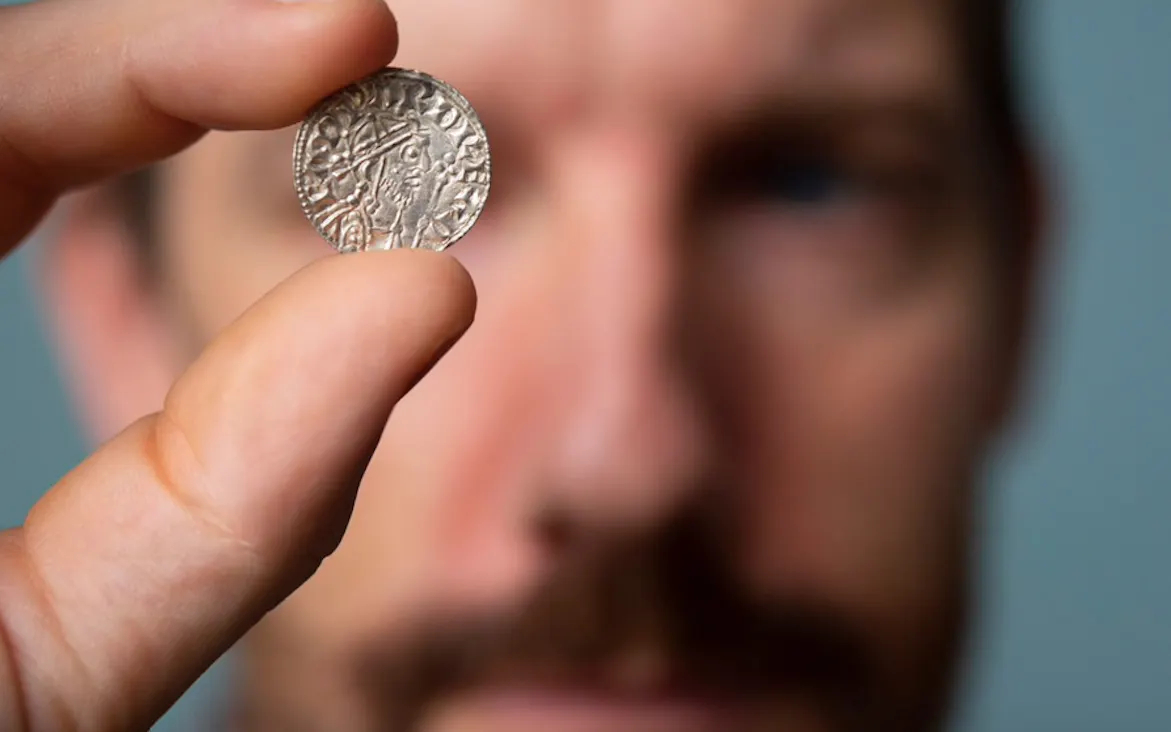
Though experts have estimated the treasure at $5.5 million, this amount may fall slightly once the actual condition of the pieces has been examined, and the flooding of the market is taken into account. In any case, the final proceeds of the sale will be distributed among the members of the group who made the discovery and the owner of the land.
"This is a particularly important discovery for our knowledge of the impact of the Norman Conquest of 1066," said Gareth William, curator of medieval coins at the British Museum. As revealed by The Telegraph, the set of coins is the largest Norman treasure discovered since 1833.