A search that seemed quite ordinary
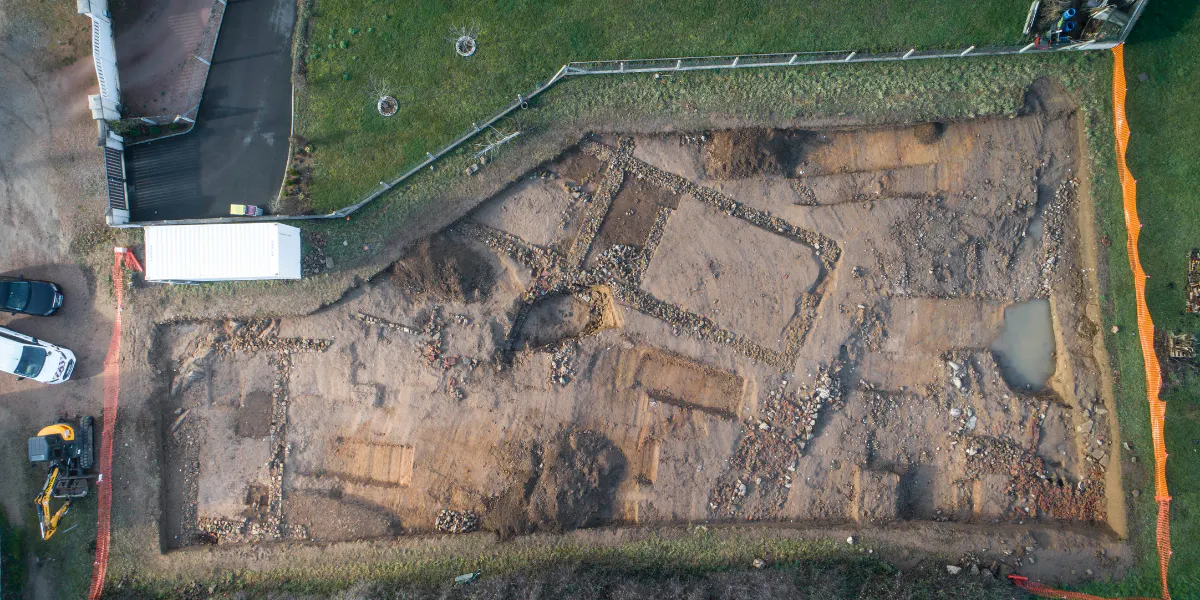
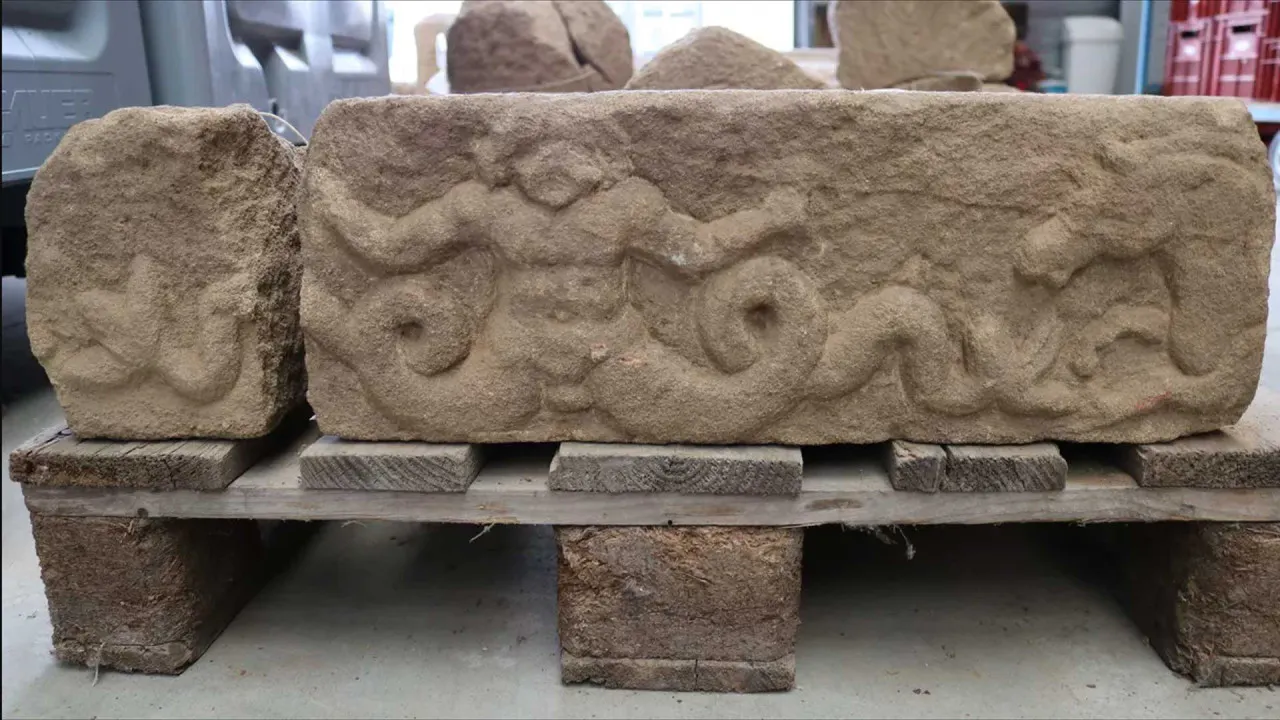
Preventive excavations were carried out by INRAP (National Institute for Preventive Archaeological Research) beginning in July 2021 above the ancient Gallo-Roman city of Aquae Nerii in the Allier region. In early January, archaeologists announced the discovery of several ancient remains. Among the architectural finds were 21 sculpted sandstone blocks, dating from around the 1st-2nd century AD. After cleaning, one of them revealed a triton, the mythical sea creature from Greek literature. Everything suggests that these remains are those of a Greco-Roman mausoleum.
Related: A Trove of ‘Exceptional’ Ancient Bronzes Found in Tuscan Spa
It all started with mechanical shoveling...
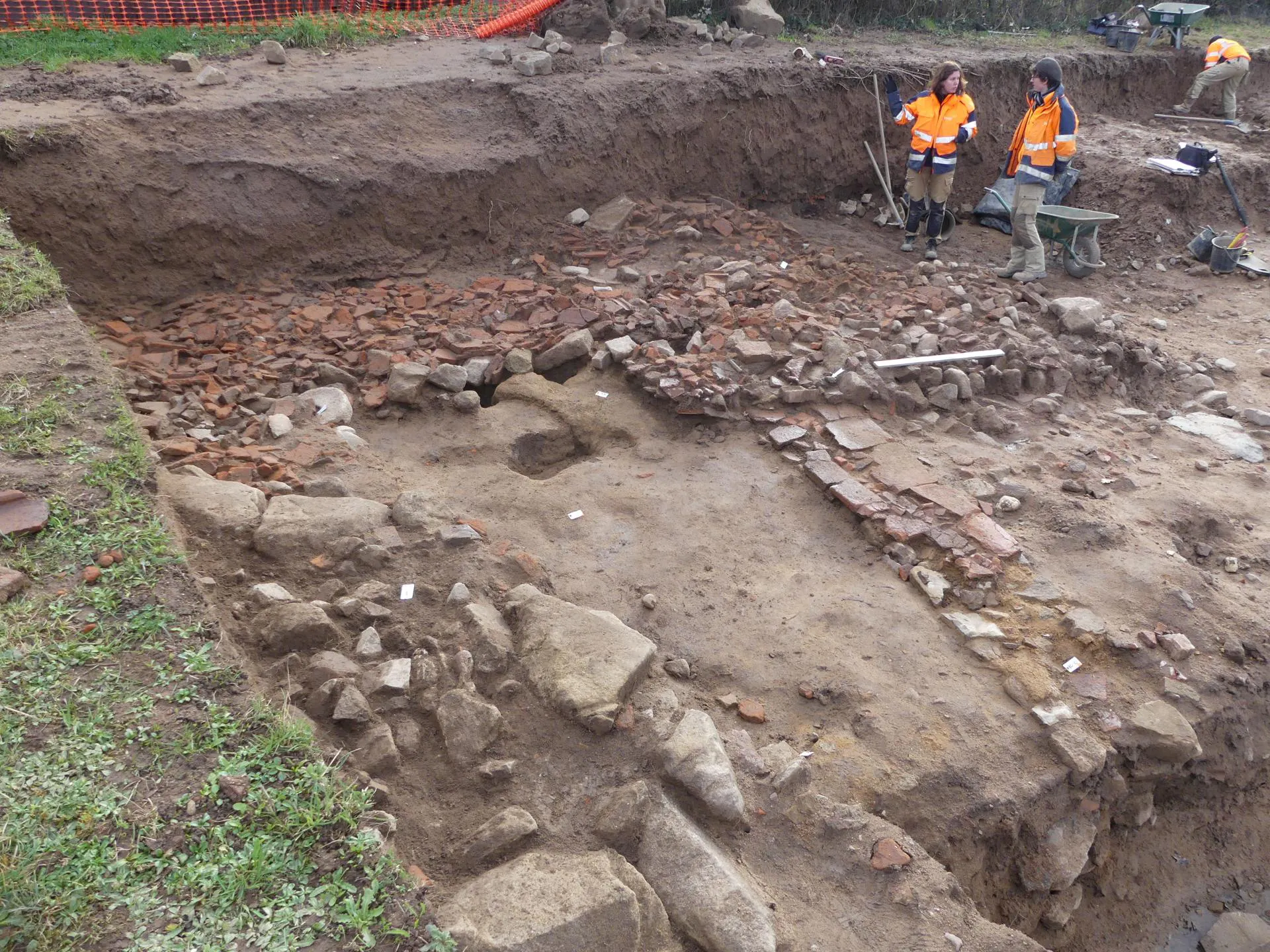
It all began with a simple request for a planning permission. The site of Neris-Les-Bains in the Allier is known for its archaeological history, so preventive excavations were prescribed as part of a private development project in July 2021. When the archaeologists began superficial excavations, they were surprised to find walls and several sculpted sandstone blocks, and from that point, they knew that they were dealing with fertile ground. Neris-les-Bains is indeed known for its thermal baths (its name derives from Nerios, the Gallic god of the spring), and was colonized by the Romans at the beginning of the 1st century, as attested by the many Roman and Gallic ruins and relics found in the vicinity, in particular an amphitheater known since the 19th century.
What was a classic archaeological dig then brought to light a real treasure!
The discovery encouraged archaeologists to continue their efforts and a thorough excavation was carried out between December 2021 and March 2022. "What was a classic archaeological dig then brought to light a real treasure," commented Marie-Laure Thierry, head of operations on the site, on French television. The archaeologists noticed stones that looked angular, as if they had been cut. Drowned in the earth and broken into 1,000 pieces, the specialists started removing the blocks somewhat randomly.
The discovery of an archaeological treasure
A week later, the team was surprised to discover that the stones uncovered revealed sculpted decorations. Among the pieces, one block caught the attention of the specialists. Conical in shape and decorated organically, it was difficult at first to identify its nature. Yet after re-examination, the team found out that it was a piece of roofing that could only belong to a mausoleum. Marie-Laure Thierry explained that during the Roman period, only mausoleums had a conical roof.
Related: The Mysterious Sarcophagi Rediscovered in Notre Dame de Paris

The sea monster in the mausoleum
During the initial diagnosis, a fragment of about 65 centimeters revealed a muscular bearded merman with his arms open. Neither Neptune nor Jupiter, the fragment actually figures a triton, which, as Thierry explains, is often associated with funerary monuments of the Roman period. Alongside the triton, a horse's head appears, the favorite animal of the marine gods, surrounded by aquatic bulls and other seahorses. Other similar figures were identified on several mosaics and pottery from Herculaneum to Ephesus, and comparable funerary structures with triton figures have also been identified in Auvergne, from Aulnat to Mont-Dore. Nevertheless, this one remains quite special as it is the first to surface in the Allier.
Want more articles like this delivered straight to your inbox? Subscribe to our free newsletter!
Too rare to be true?
Despite many indications that the fragments belong to a mausoleum, certain questions remain unanswered. For example, the location of the remains does not point to a mausoleum. Moreover, as this type of building is extremely rare both in Roman Gaul and in present-day France, further research is necessary. Yet whatever happens, the merman will have been saved from the private development project that would have begun on the site.