
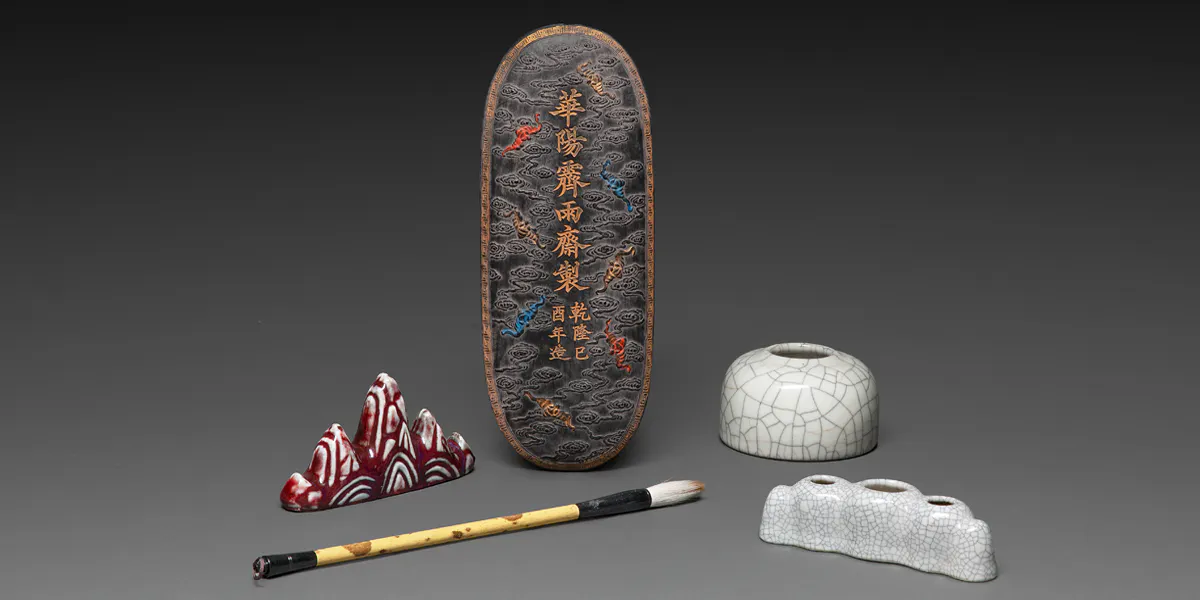
An exciting sale is coming up at Maison Tajan. On April 5, collectors will be able to find a session dedicated to the objects of Chinese scholars, these men of knowledge who have shaped the art and culture of their country for nearly 2,000 years. The session will feature objects related not only to the practice of the major arts, but also to the way of life of this intellectual elite.
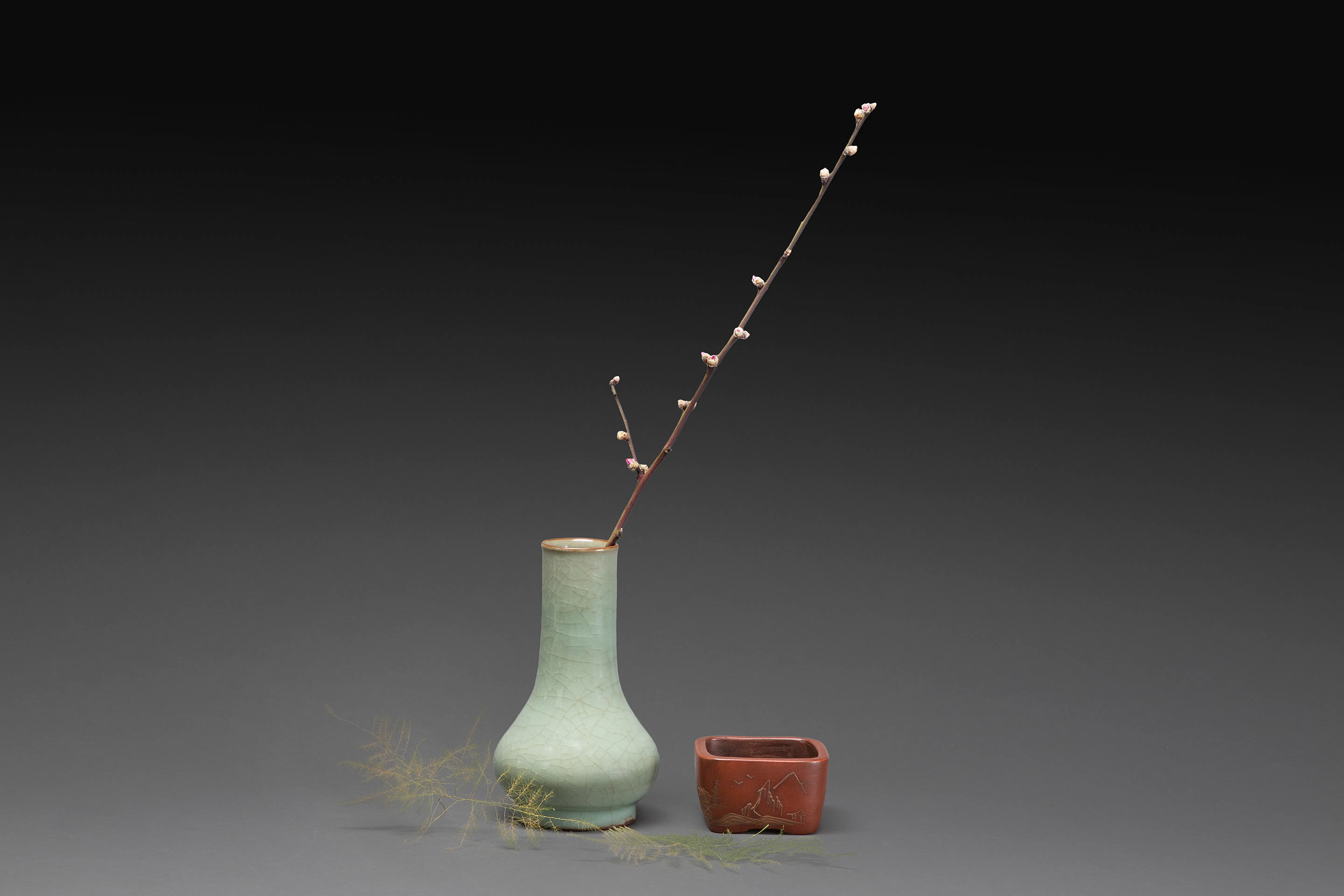
A combination of wen (culture, knowledge) and ren (man), the Chinese term wenren文人(literate) refers to a figure in Chinese culture that has existed since the 2nd century BC, a period during which the emperor in power, Han Wudi, adopted Confucianism as state doctrine. This philosophy, which appeared as early as the 6th century BC with Confucius, gave birth to the notion of the "good man" (junzi 君子), that of an accomplished human being whose elevation would not be rendered possible only through the study of classical texts.
Advocating moral uprightness and respect for ritual, Emperor Han Wudi rallied intellectuals to his side and began to set up a system of examinations based on the study of the Classics, which would make it possible to recruit civil servants not according to their social class, but according to the wealth of their knowledge.
The scholar, in addition to his study of Confucian texts, rose further through the practice of major arts such as music, calligraphy, poetry and later, painting. One of the first known representations of scholars, the Seven sages of the bamboo forest, today allows us to understand what characterized the art of living of these intellectuals at the time. It illustrates seven scholars, authors and music lovers, in Luoyang, during an escapade in nature where all pressure of Confucian rigidity and all questions relating to politics have disappeared. Indeed, scholars are also known to have often revitalized themselves in nature, seeking inner peace in simplicity and contemplation.
Already members of an intellectual elite, the wenren really acquired their letters of nobility a little later, with Emperor Song Huizong, last emperor of the Song dynasty (1100-1126). A lover of the major arts (and an accomplished scholar himself), Song Huizong is an important figure in the history of Chinese art who placed a very high social value on the scholars.
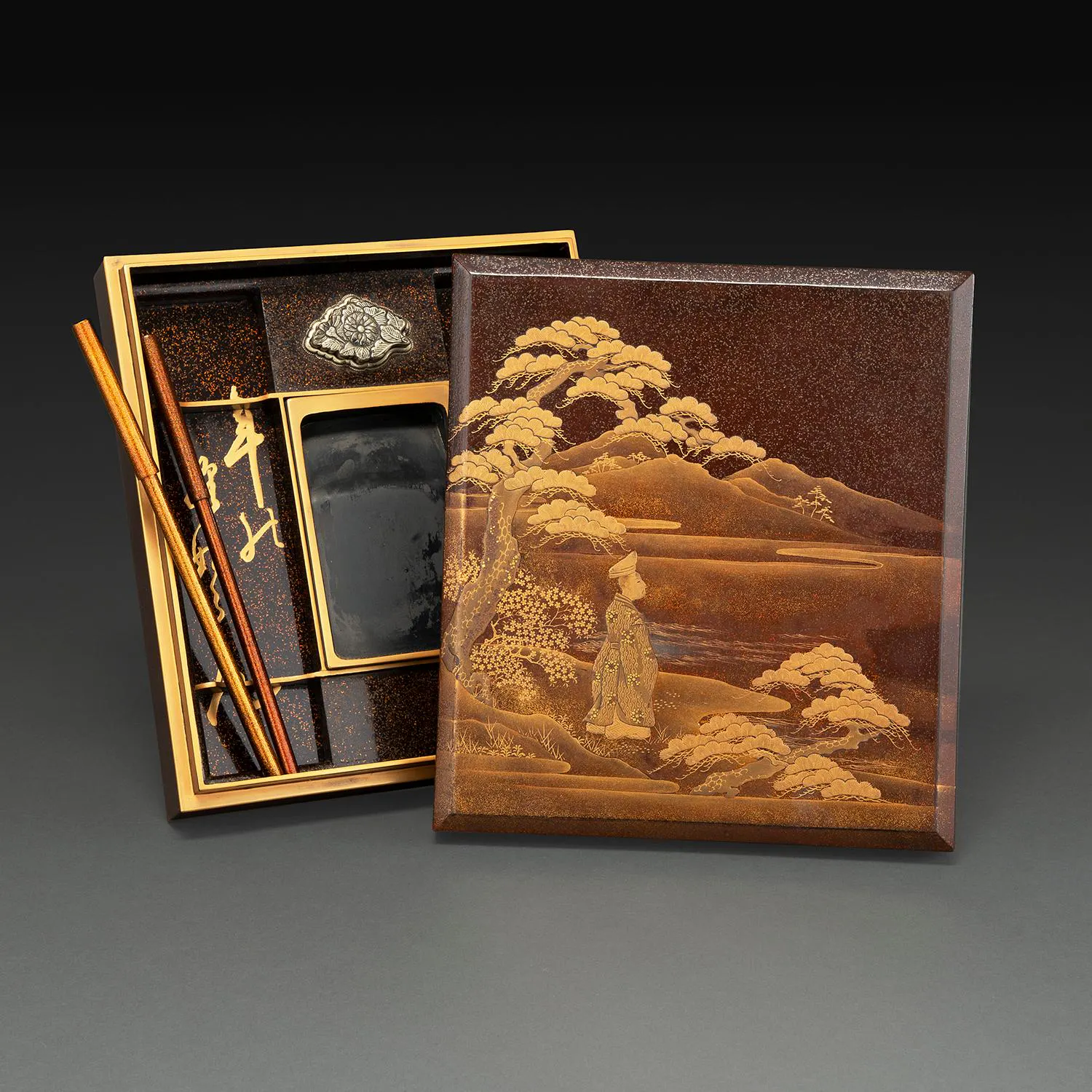
In the history of China, intellectuality, creativity and power are therefore not incompatible: the emperors who have punctuated the country's history have often been scholars themselves, thus promoting the practice of the arts, but also the development and the transmission of culture. The Qianlong Emperor (1736-1795) is a fine example of this, for in his capacity as a lover of art and music, a painter, a calligrapher and a poet, he brought together one of the most important art collections in the world and founded the Four Treasures Library. The Siku Quanshu Library is the largest collection of books in Chinese history.
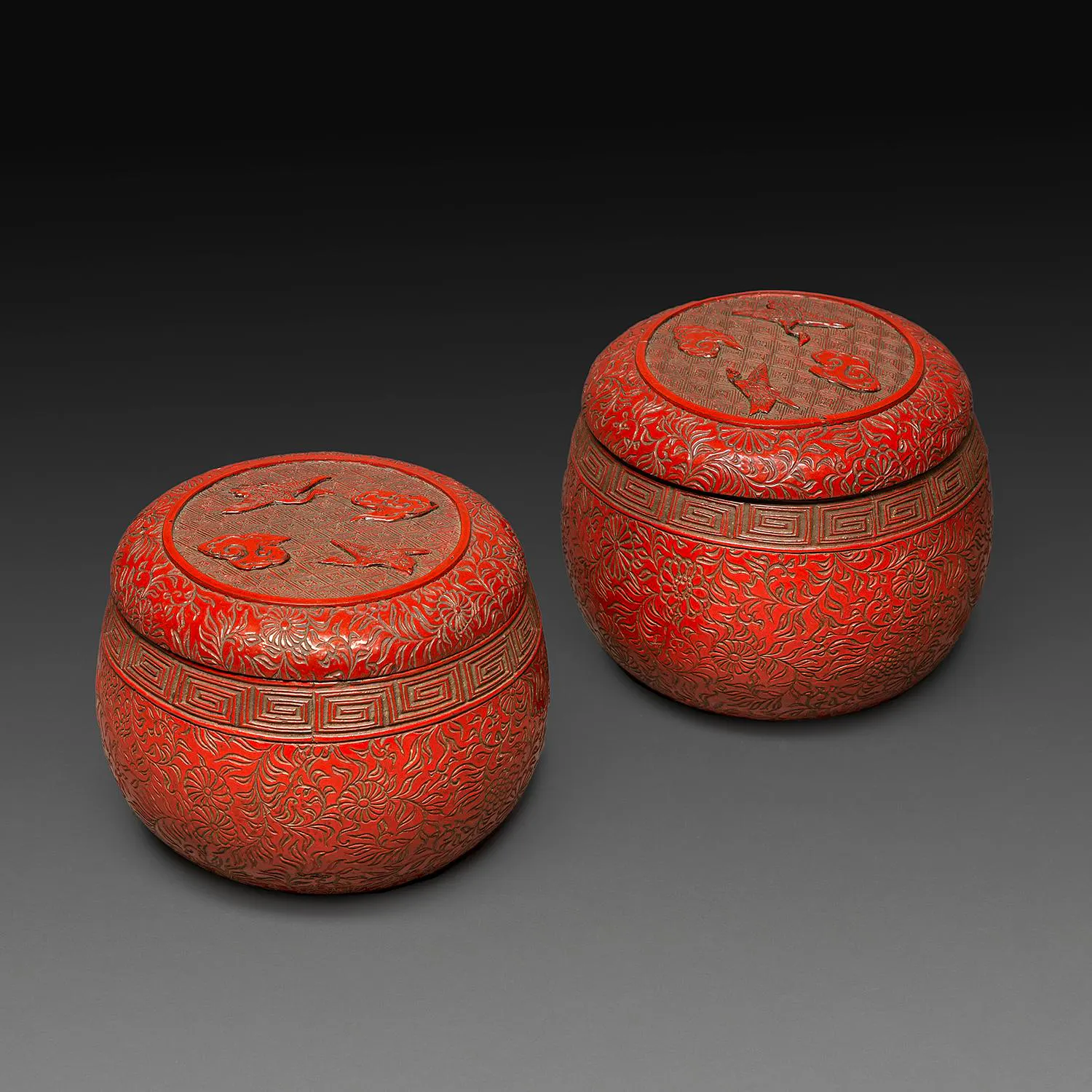
The scholars have therefore inspired and shaped Chinese culture, particularly through objects related to the practice of the major arts, witnesses of this fascinating heritage. This is precisely what the Tajan house invites us to discover during this sale comprising no less than 237 treasures. By taking a moment to look at the history and evolution of the wenrens over the centuries, it is possible to fully understand the quality and beauty of the lots that make up the catalog.
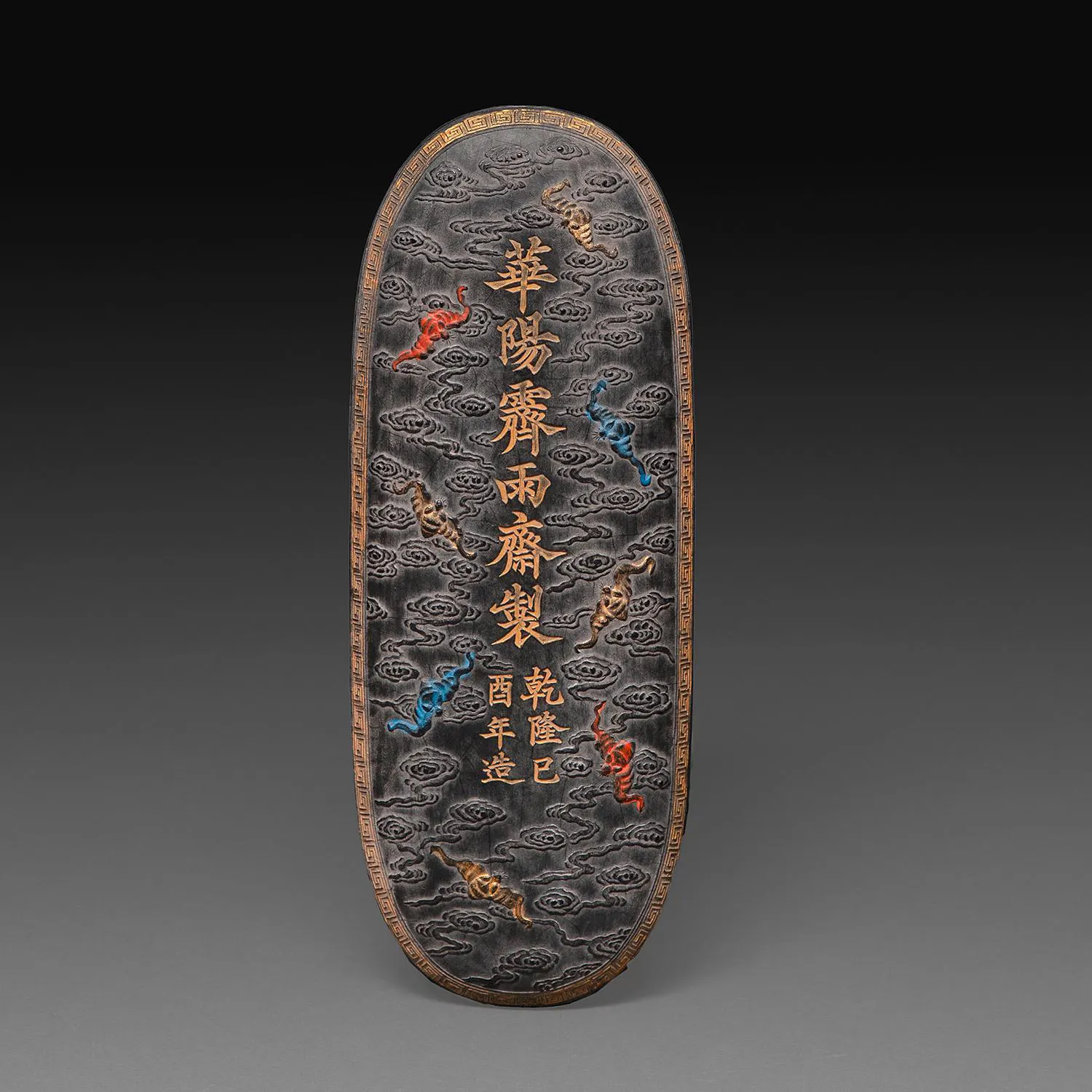
These include inkwells, inkstones, brush washers, seals, desks, paintings, kakemonos, and even scholarly tables. So many objects that reflect the noble disciplines of calligraphy, poetry and painting.
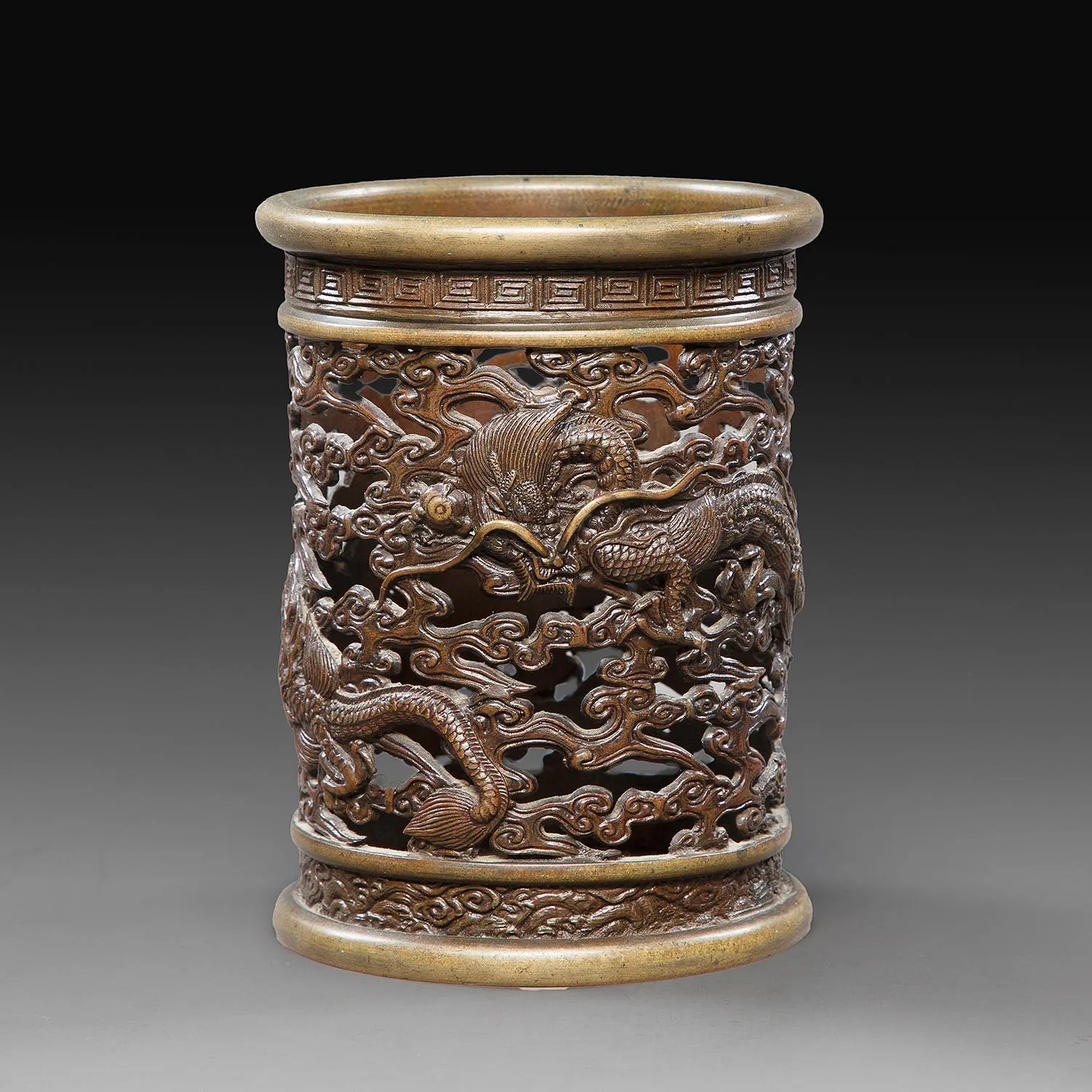
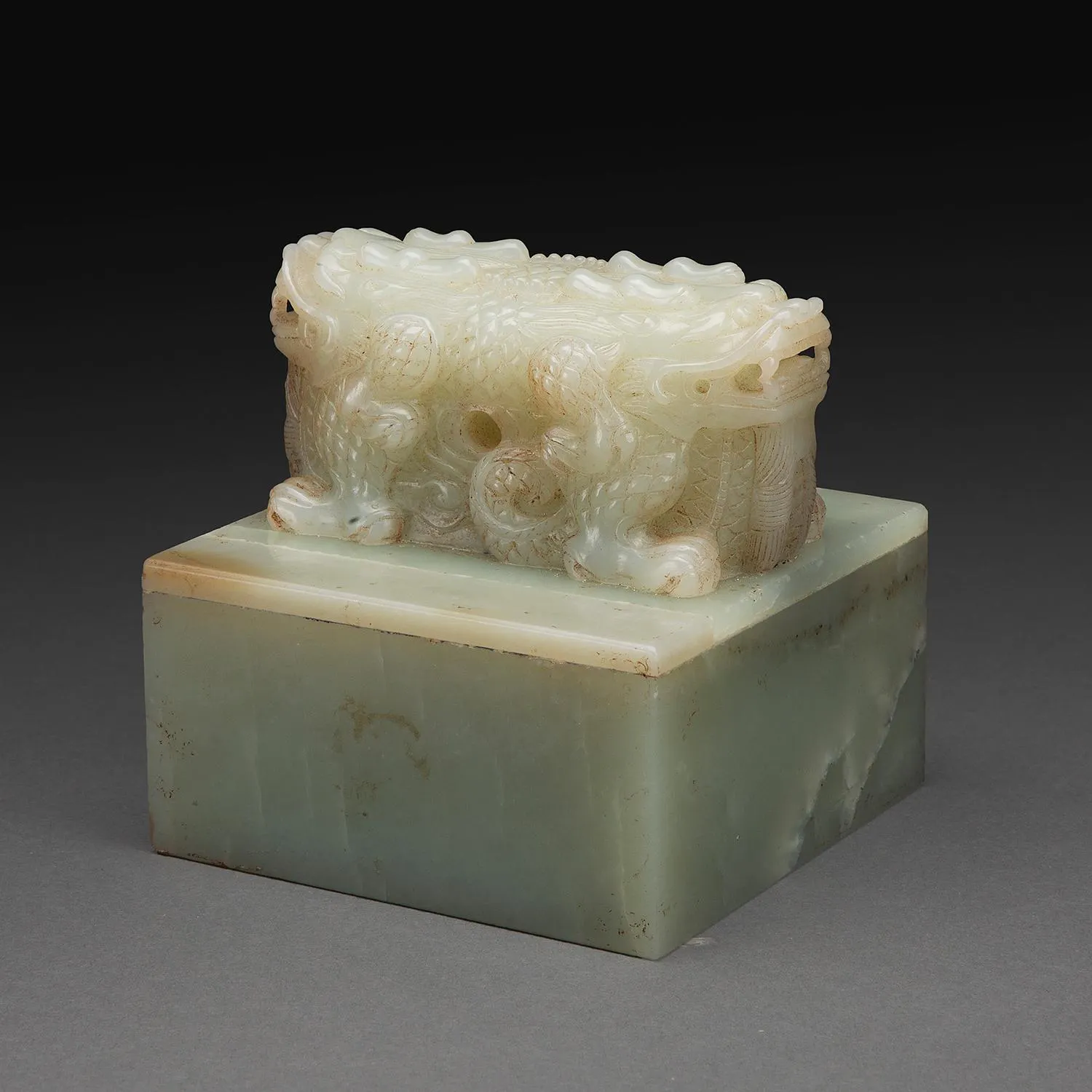
It is worth highlighting the presence of a remarkable nephrite jade seal from the beginning of the 20th century, a bronze brush holder from the Kangxi period, and a large copper and enamel panel inscribed with a poem by Wang Ji Hua.
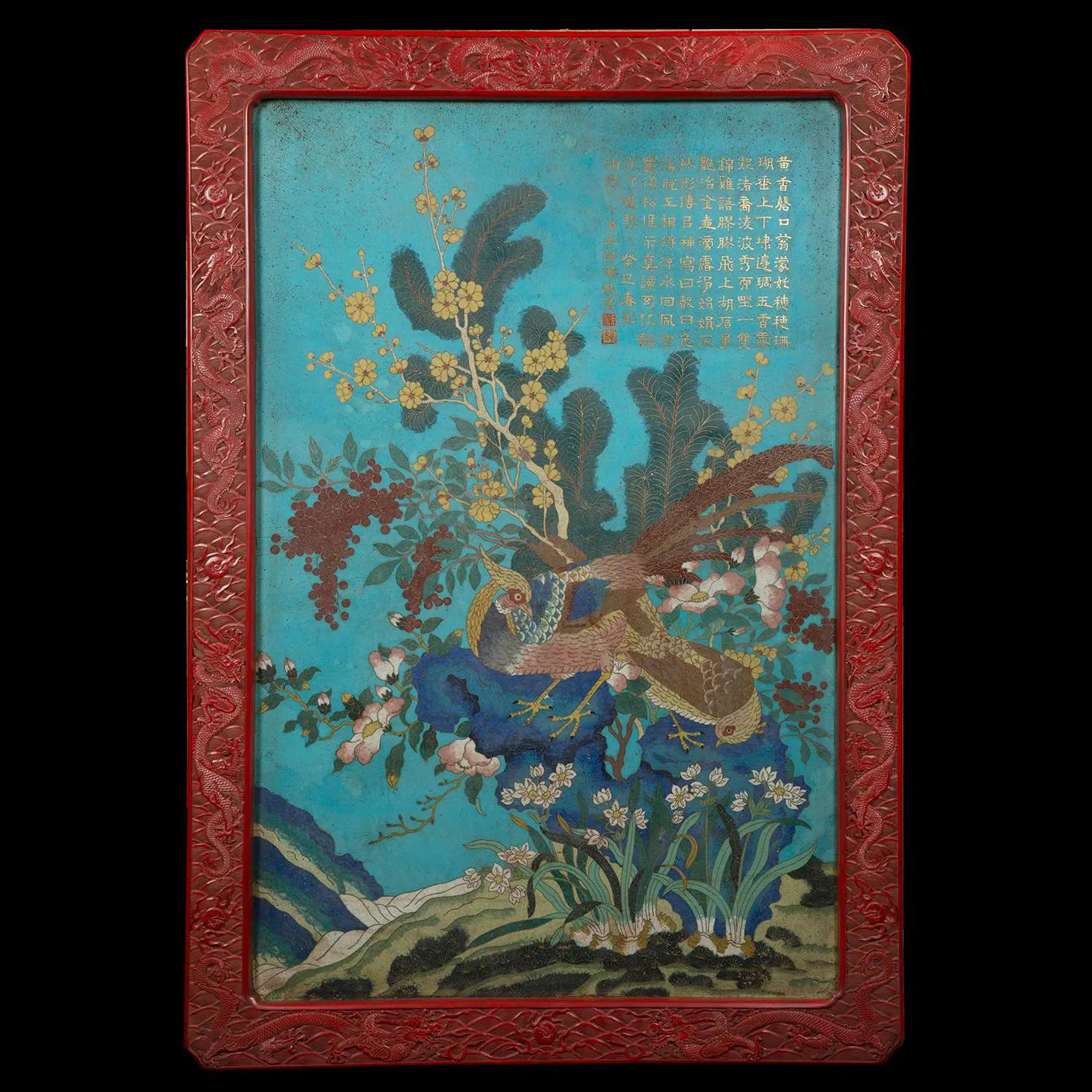
All of the lots, objects testifying to this quest for knowledge and the elevation of the intellect, will be on display during the sale “Objects of scholars, Asian treasures”, on April 5 at Tajan.
To inaugurate this thematic sale, Tajan will orchestrate a conference-concert in its spaces that promises immersion in the universe and philosophy of Asian scholars. The event is announced for April 2 in the presence of very special guests. Consult the invitation and reserve your place now.