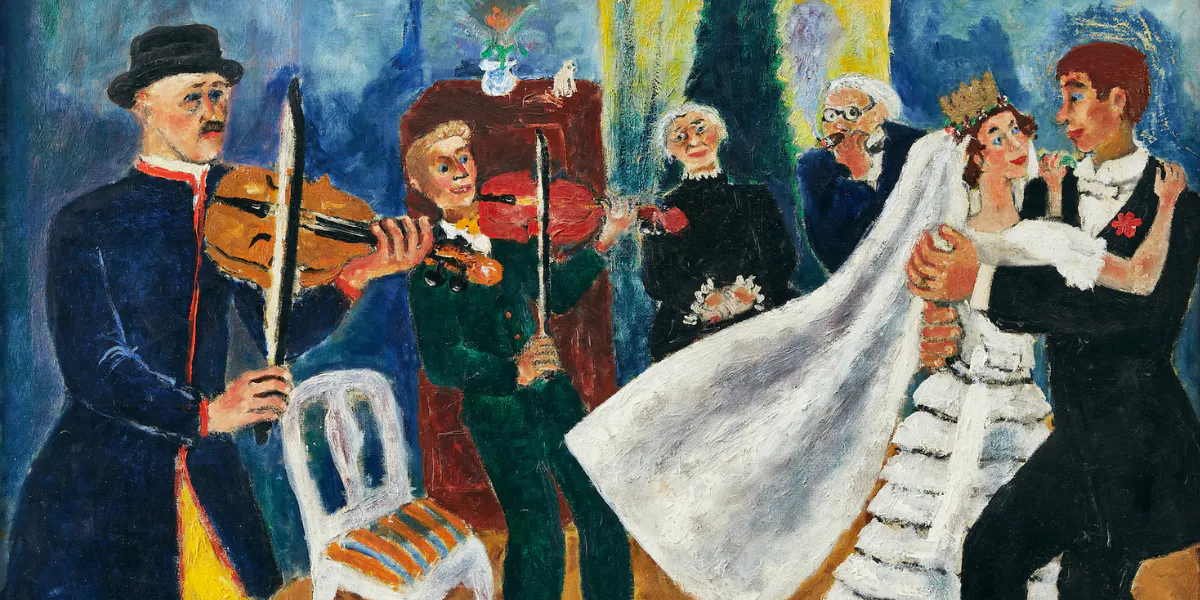
In his masterpiece, Bondbröllop, or 'Peasant Wedding', Bror Hjorth invites you to revel in the tunes of folk music and wedding waltzes. This 1924 painting is set to make its auction debut in just a few days as part of Uppsala Auktionskammare's Modern & Contemporary Art auction.
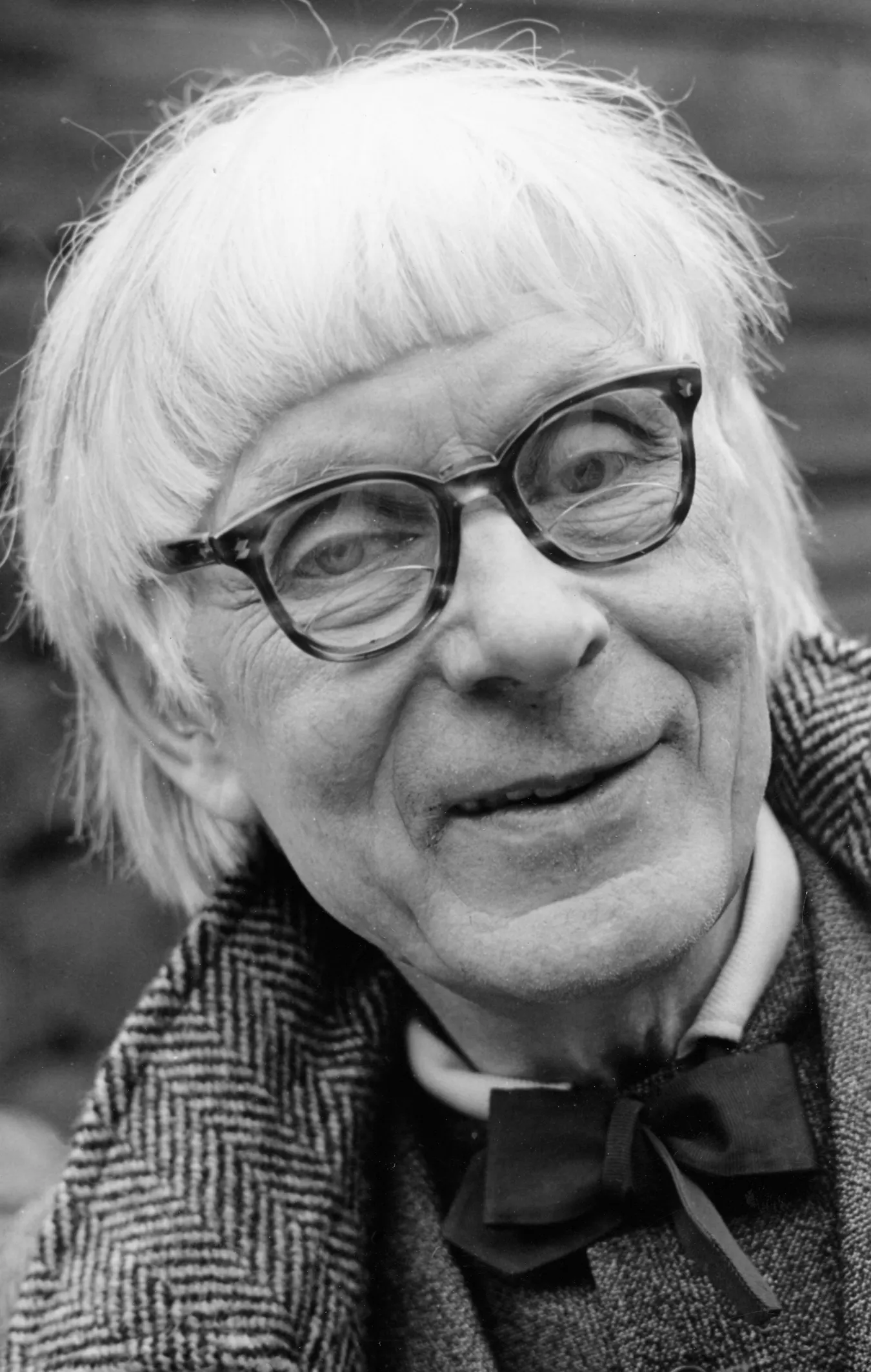
Following a brief period of study in Copenhagen, Bror Hjorth moved to Paris, where he studied under the French sculptor Antoine Bourdelle from 1921 to 1925. Under Bourdelle's tutelage, Hjorth's understanding of material and form deepened, and during this phase, Cubism played a pivotal role in his artistic progression. In his autobiography, My Life with Art, Bror Hjorth reflected, "My real life, the one with art, began when I arrived in Paris in 1921."
Related: How Cubism Changed the World
During his years in Paris, Hjorth was influenced by both ancient and contemporary art. Notably, he drew inspiration from the sculptures and relief art of ancient Egypt and Assyria. Within the contemporary art sphere, it was the paintings of Paul Gauguin and the sculptures of Auguste Rodin that captured his attention. In his own work, Hjorth melded these impressions with his own experiences and Swedish folk art.
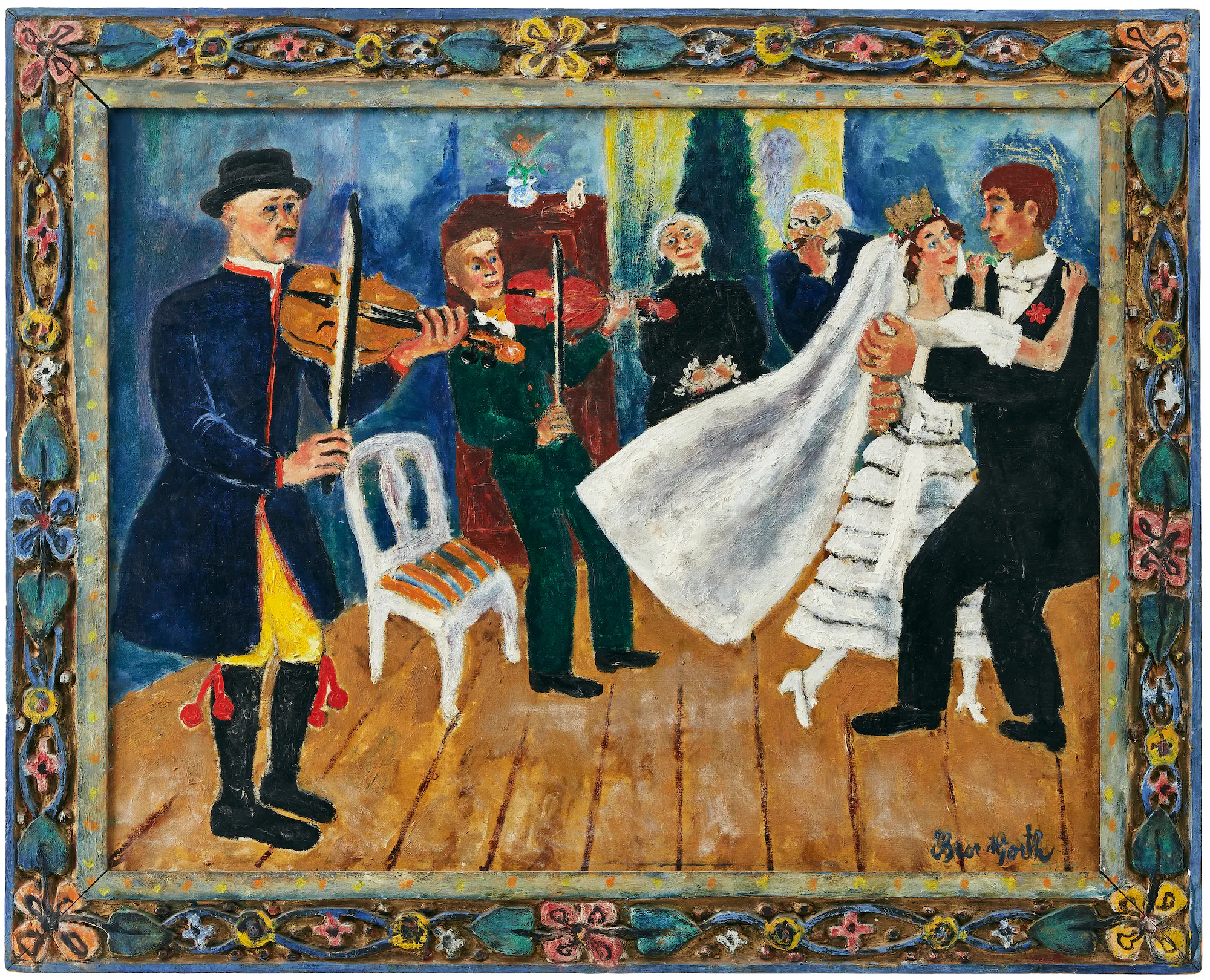
In 1924, Bror Hjorth painted Peasant Wedding, which is now considered one of his most important works. He describes the painting himself in My Life in Art: "In one painting, Peasant Wedding, I am dancing with the bride, Hjort Anders and Viksta Lasse are playing and father and mother are guests. It was the end of a love affair."
Related: Madeleine Pyk: A Boundless Imagination
Viksta Lasse was a prominent fiddler in Uppland, on the eastern coast of Sweden, while Hjort Anders Olsson was one of Bror Hjorth's closest friends. The artist can be identified by his distinctive bangs. However, the identity of the model for the bride in the painting remains uncertain. An early theory, proposed by Kerstin Otkull in her 1968 thesis, suggests that the bride might be Ester Kristina Andersson, later known as the author Stina Aronsson, who was engaged to Bror Hjorth's brother Gösta for several years. Hans-Olof Boström, who served as the director of the Bror Hjorth House Museum in Uppsala from 1987 to 1993, believes that the bride is likely Ruth Leander, who worked as a maid in Hjorth's parents' home and with whom he developed a romantic relationship. In the background of the painting are the artist's parents, Lotten and Emil Johanzon, elegantly attired in their wedding attire for the occasion.
Related: Swedish Folk Art: Timeless Charm
A few years after its creation, the painting was exhibited at the Swedish-French Art Gallery in Stockholm. Together with Hjorth's Vid köksbordet, Bondbröllop was among the most highly valued oil paintings on display, with an initial asking price of SEK 1,000 (around $90). Today, it is being offered for sale at a significantly higher price.
Stay up to date with the latest news from the art and auction world: subscribe to Barneby's free newsletter!
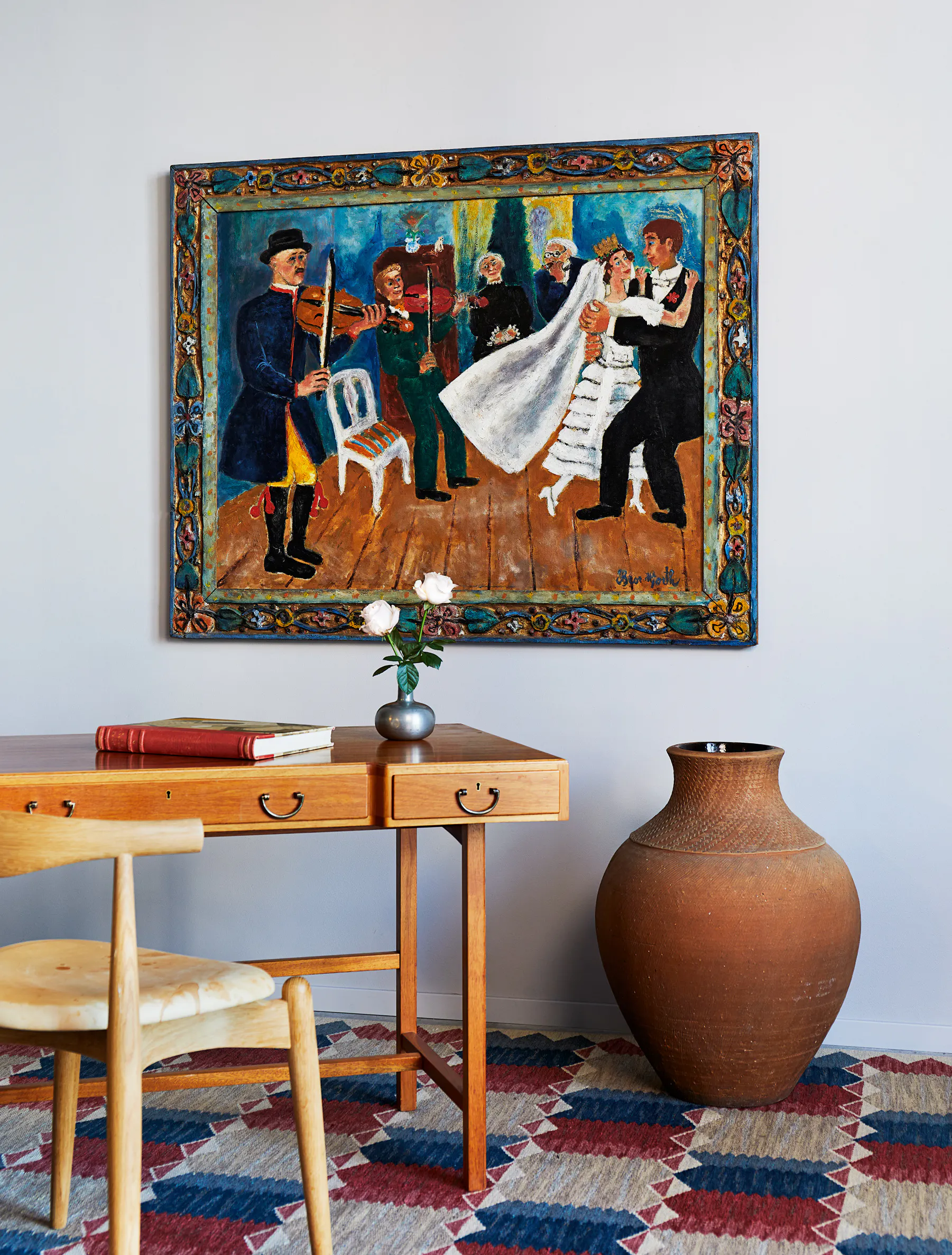
On November 10, Bror Hjorth's Peasant Wedding will be presented at auction for the first time. Uppsala Auktionskammare is selling the work during its Modern & Contemporary Art auction in Stockholm on November 8-10 with an estimate of SEK 3-5 million ($275,000-458,000).