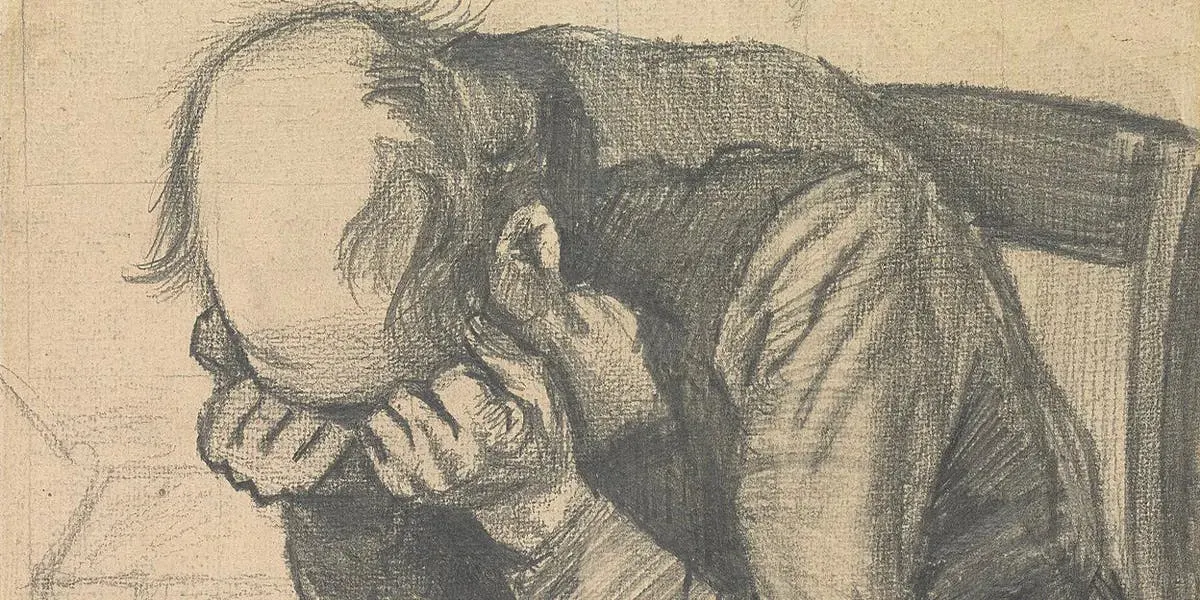
In the same family for more than century, a drawing attributed to Dutch artist Vincent van Gogh, titled Worn Out, has recently been rediscovered. Entrusted to the Van Gogh Museum for authentication, the sketch was submitted for analysis and specialists were immediately able to confirm the hand of the master.
"In stylistic terms, [the drawing] slots perfectly into the many figure studies we know from Van Gogh’s time in The Hague and the connection with Worn Out is obvious," said Teio Meedendorp, Senior Researcher at the van Gogh Museum. "The artist began by drawing a grid on the paper, which tells us that he worked with a perspective frame to help him capture a figure quickly with the correct proportions. He then worked the sheet up in his characteristically expressive drawing style: not refined, but with energetic scratches and strokes and laying down contours, in search of a pithy image with special attention to effects of light and shade."
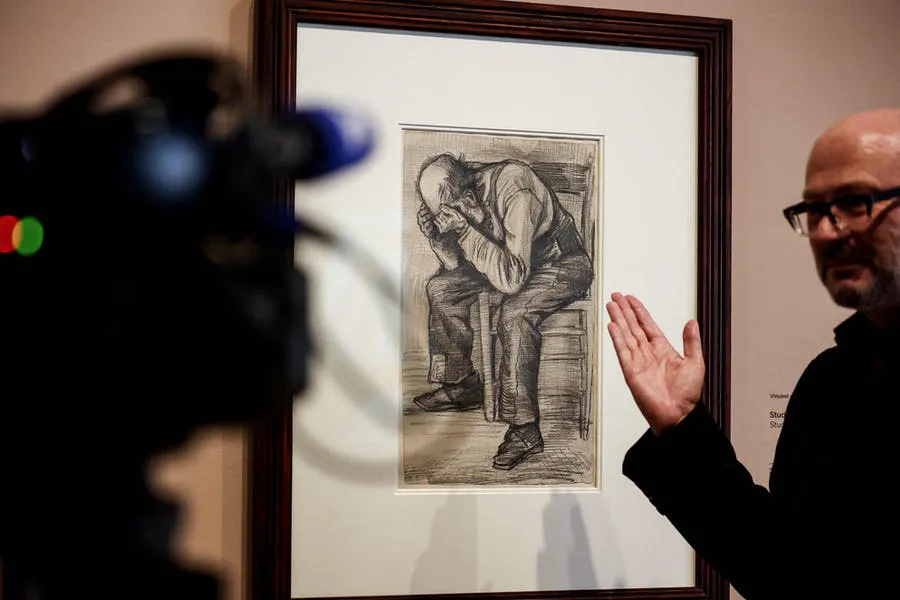
Although this is a new rediscovery, the composition of the work is familiar. This drawing is a preliminary study for the drawing Worn Out of November 1882, which has the distinction of being one of the most powerful drawings of this period of the artist's career in The Hague. In letters to his brother Theo and his friend Anthon van Rappard, van Gogh describes in detail how the drawing was made. The discovery of this sketch therefore allows to have an even clearer vision of the creative process.
Related: 8 Paintings that Vincent Van Gogh Copied
"It’s quite rare for a new work to be attributed to Van Gogh," said Emilie Gordenker, Director of the Museum. "We’re proud to be able to share this early drawing and its story with visitors to our museum."
Worn Out is a work with a social connotation. The title refers to the subject, an old man sitting with his head in his hands and his back bent with fatigue. Van Gogh's sympathy for the humble, the poor and the weak is well known and he focused the subjects of many works on the lower social classes, underlining with his dramatic touch his concern for their difficult living conditions.
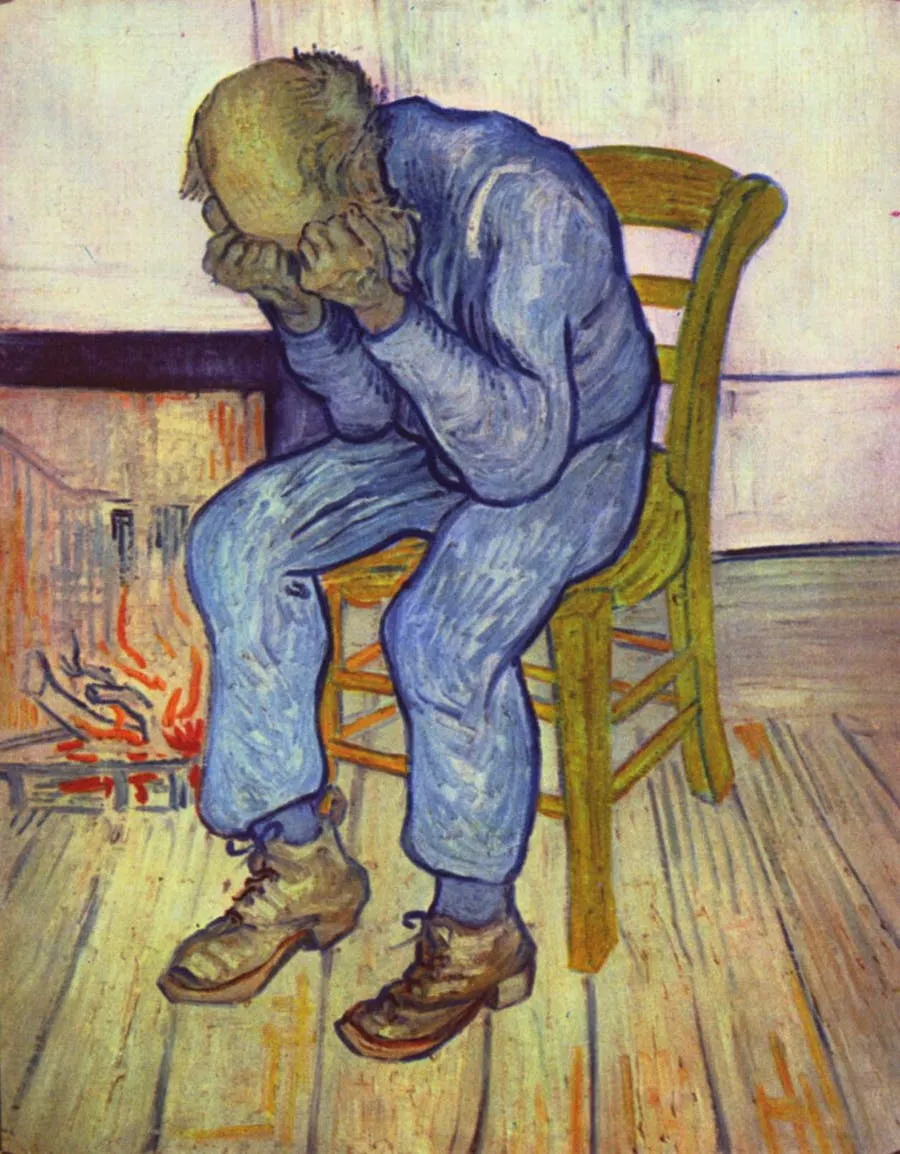
In 1890, Van Gogh made an oil on canvas, At the Door of Eternity, based on an earlier lithograph and his drawings of Worn Out. The artist was then at the psychiatric hospital of Saint-Rémy, where he was recovering from a nervous breakdown. The painting was completed about two months before his death.
Related: Mirror of the Soul: Eyes in Art
The rediscovered Worn Out drawing will be on display on the first floor of the permanent collection of the Van Gogh Museum in Amsterdam until January 2, 2022.