
On the 6th and 7th of December, Artcurial's Impressionist & Modern department will present its prestige sales. A selection of more than 400 works will highlight the greatest artists of the Impressionist and Modern movements such as Alfred Sisley, Fernand Léger, Wassily Kandinsky and Bernard Buffet.
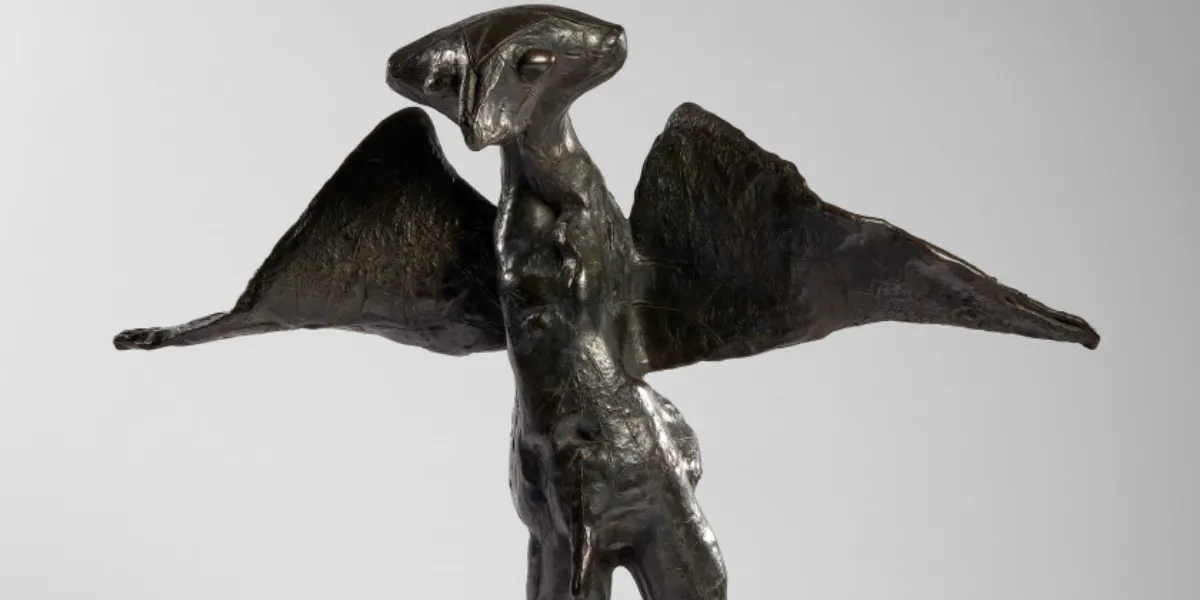
The evening sale will in particular feature the work of sculptor Germaine Richier (1902-1959). A few months before the major retrospective of her work at the Centre Pompidou, Artcurial will offer for the first time at auction an important group of bronzes, drawings and prints from the artist's family.
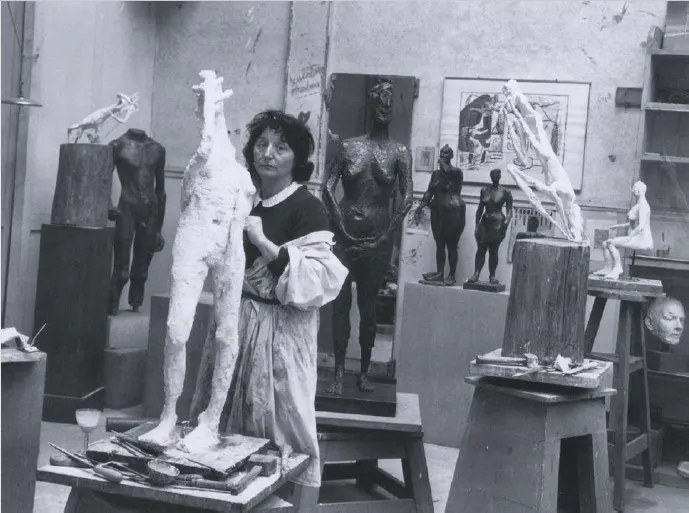
Germaine Richier (1902-1959) is one of the few internationally renowned women sculptors of the post-war period in France. Skillfully reconciling human and plant forms, and sometimes even animal forms, her hybrid creations reflect the artist's constant search for balance. A search whose demands no longer allow the sculptor to be content with simply representing what she perceives, forcing her to create forms that are more adapted to the strangeness of life.
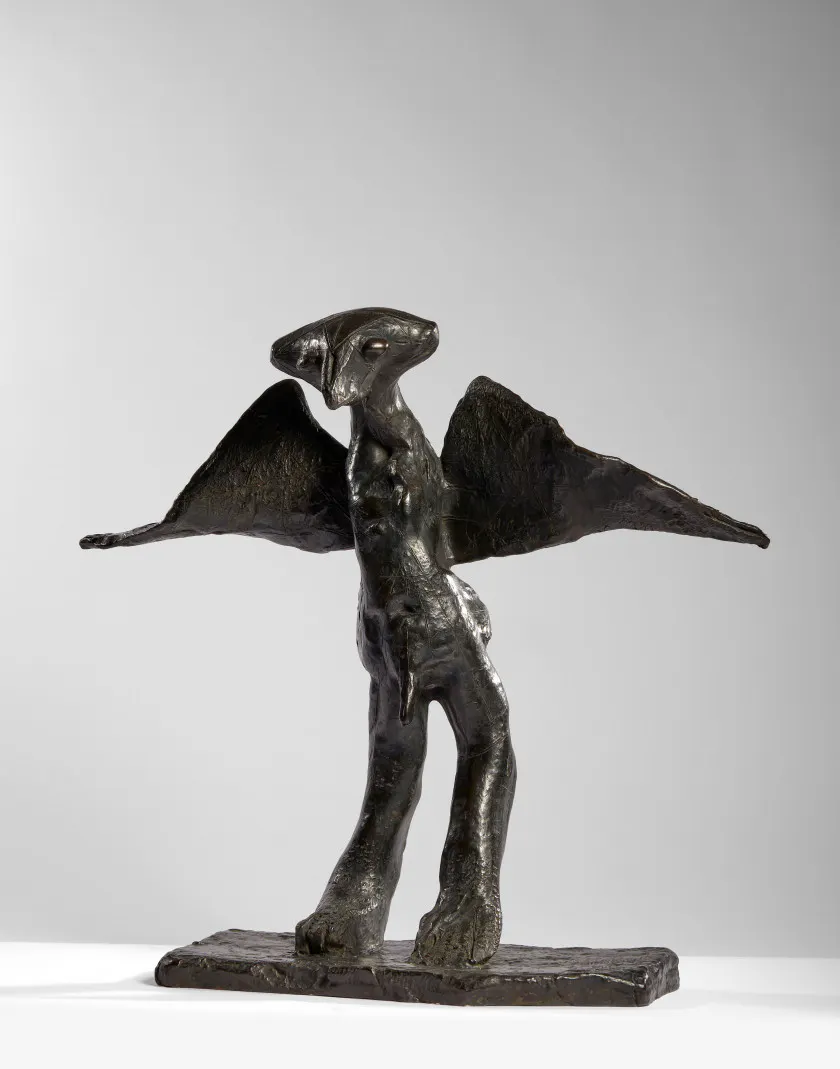
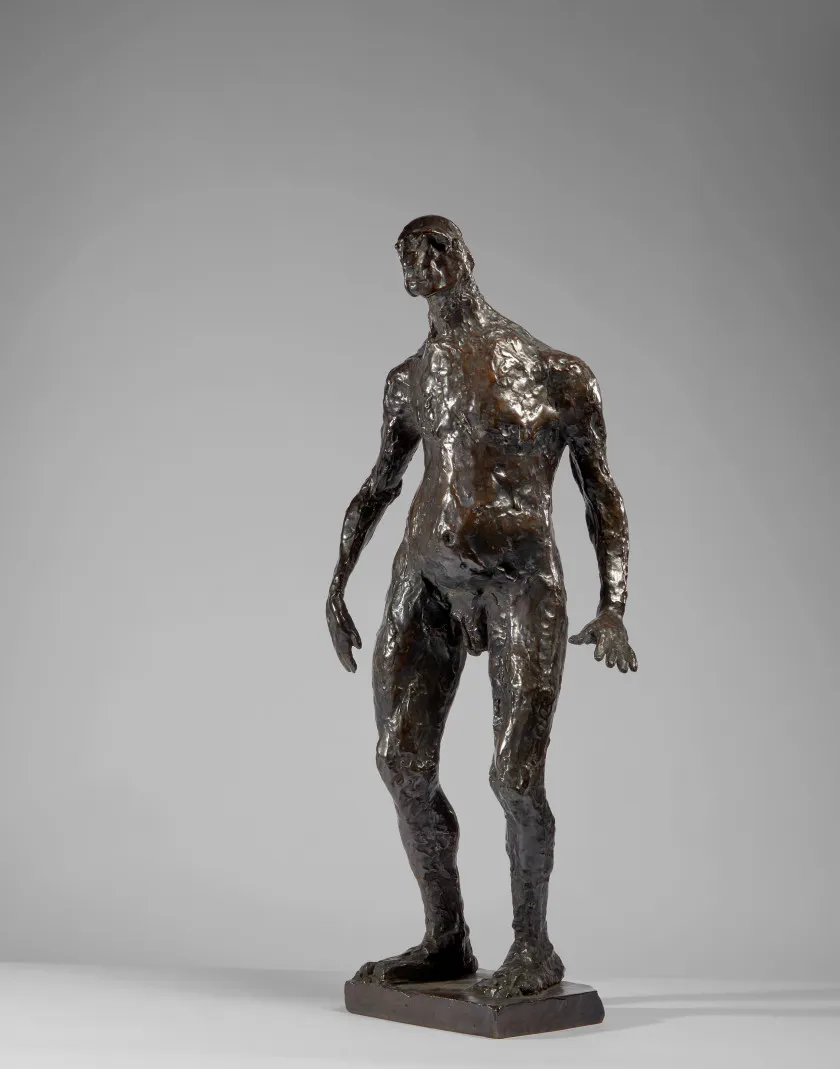
Amongst these hybrid beings, the burlesque and deceptively terrifying L'homme de la nuit is offered for sale in its large version after having been exhibited for over twenty years at the Tate Modern in London. Estimated at €200,000 - 300,000, it is one of the major works in the sale. Another atypical figure on display is one of twelve copies of L'Homme qui marche, born in clay and cast in bronze, estimated at €180 000 - 250 000.
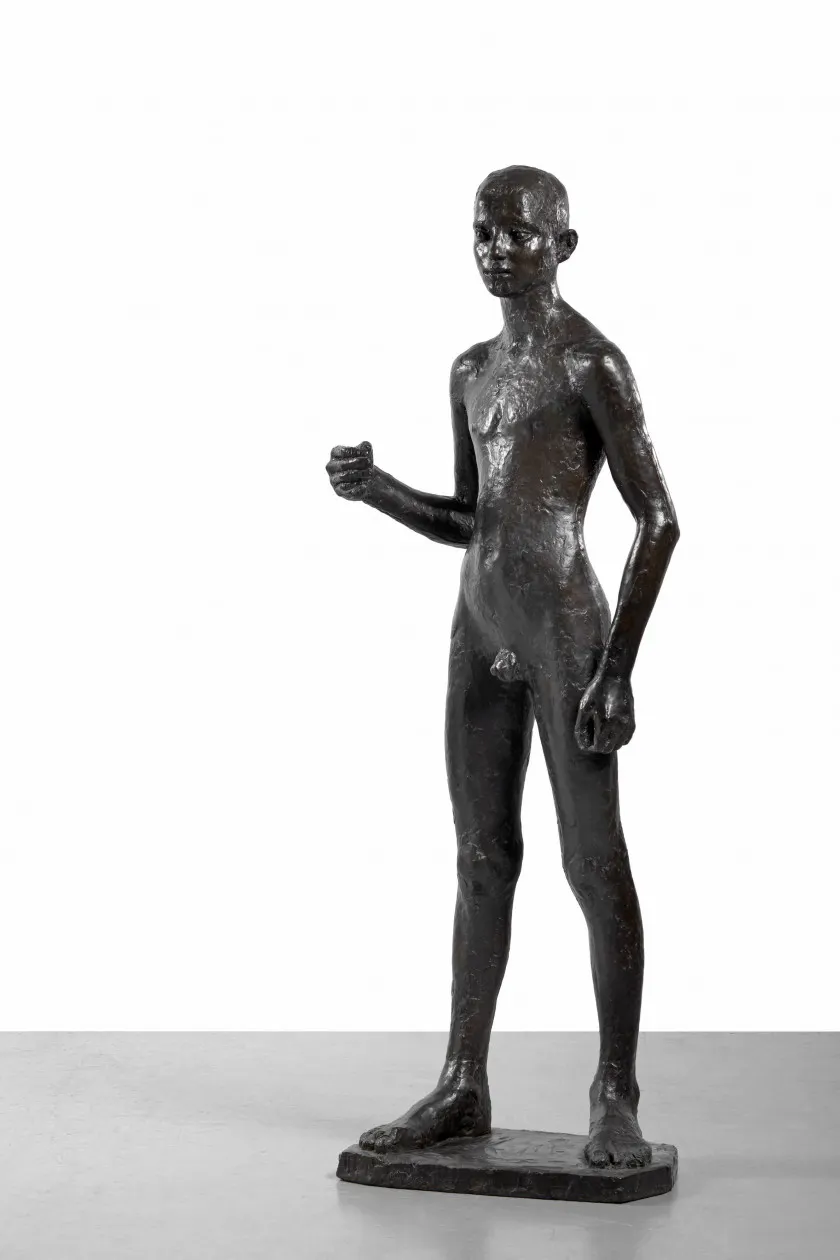
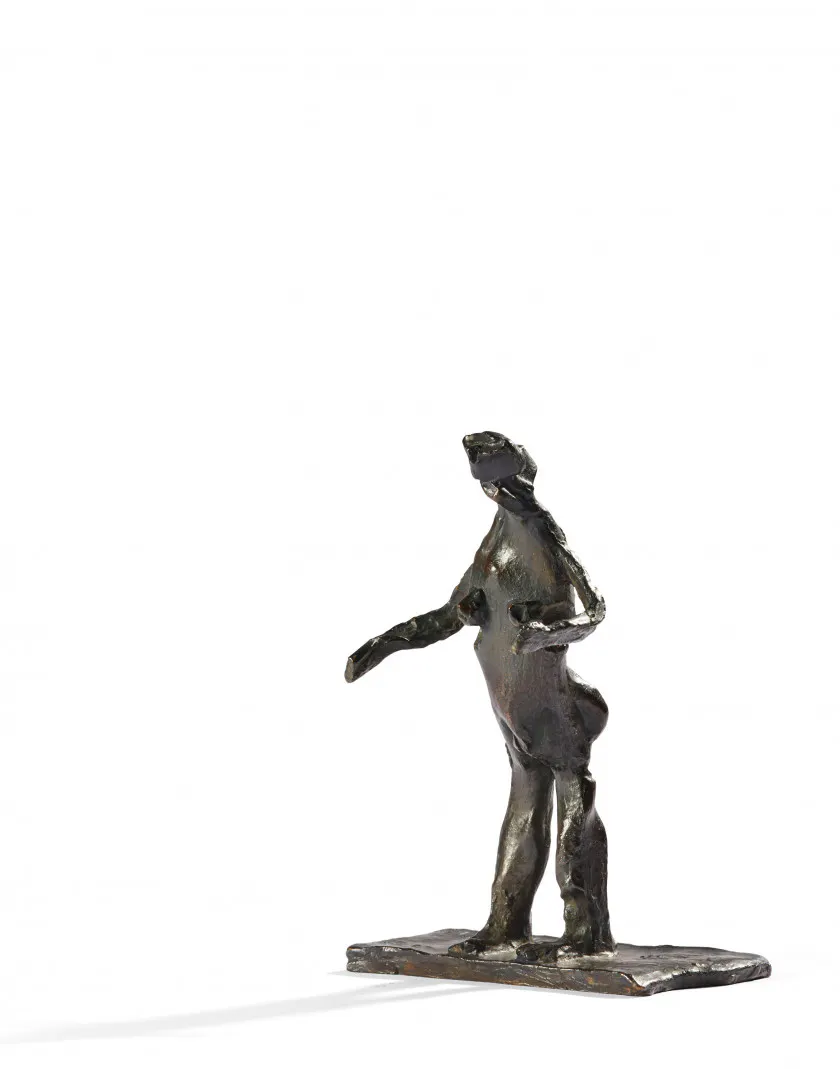
At the opposite end of the spectrum from these two bronzes, a Loretto 1, characteristic of her most classical period and the embodiment of her early career as a sculptor since it was presented at her first solo exhibition at the Max Kaganovitch Gallery in Paris in 1934, is estimated at €180,000 - 250,000. In addition to these major works, there is a series of small abstract bronzes estimated at €6,000-20,000 such as the Rooster Woman, The Bat and The Hydra.
"The work of Germaine Richier has been experiencing a real revaluation on the international market for some time," said Bruno Jaubert, Director of Artcurial's Impressionist & Modern department. "This sale, which will take place a few months before the retrospective at the Centre Pompidou, will bear witness to this new enthusiasm for the artist's work."
After a happy childhood in the Languedoc, Germaine Richier joined the studio of Guigues, Rodin's former practitioner at the École des Beaux-Arts in Montpellier. She successfully completed her training by winning the First Prize for her work Jeunesse in 1926. This was a pivotal year that marked the beginning of her artistic career, the start of her Parisian life and her marriage to the sculptor Otto Bänninger.
In Paris, she joined Antoine Bourdelle's studio, where she remained until his death. She remained the only private student he ever had. Alternating between her Parisian workshops, including the one at the Villa Brune, she quickly took on students and made a name for herself. In 1934, the Max Kaganovitch gallery hosted her first first private exhibition in Paris. This was the beginning of her consecration: in the space of two years, she received the the Blumenthal Prize for sculpture for Buste N°2 and the Medal of Honour at the 1937 Universal Exhibition for Méditerranée, presented in the Languedoc Mediterranean pavilion. Drawing inspiration from her travels to Pompeii and Czechoslovakia, as well as from the artistic circle of her Parisian friends, including Marko, Couturier and Giacometti, she pursued a rich and dynamic career.
Alternating strange and resolutely modern works with busts respecting the classic rule of resemblance, thus exercising her "ranges", her virtuosity of form allowed her to achieve almost total freedom in her production.