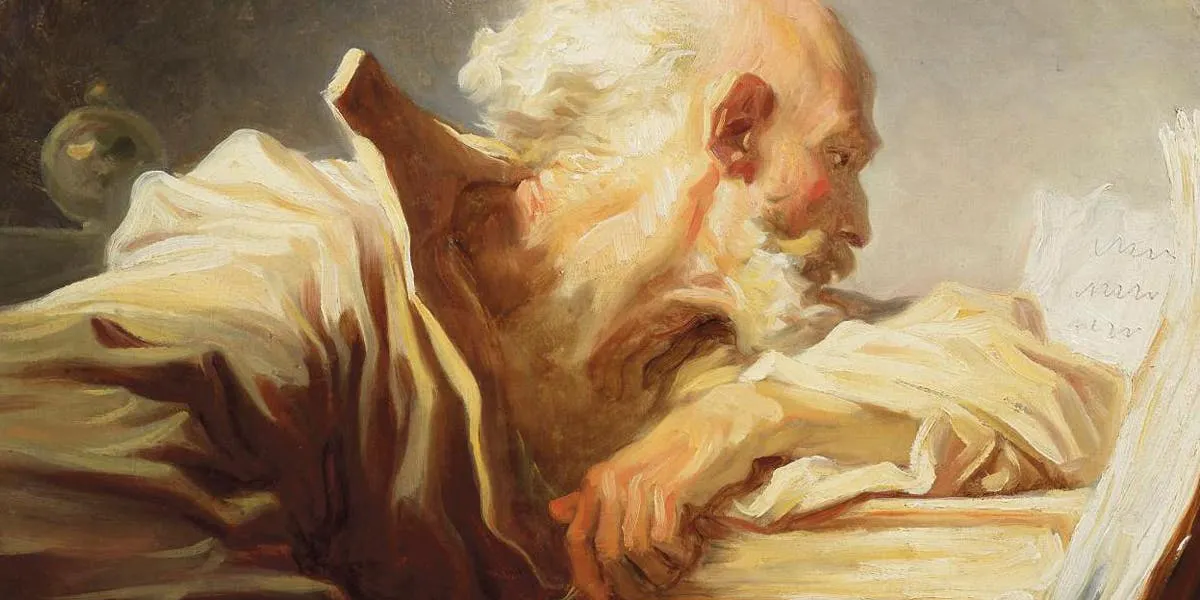
In January, during the valuation of a family's assets in Marne, east of Paris, the auctioneer Antoine Petit came across an oval canvas measuring 45.8 x 57 cm that immediately caught his attention. Hanging high up in the living room of the family's home, the painting had "an obviously expert touch" and a barely legible inscription on the back of the frame. After closer inspection, the name of “Fragonard”, a history and genre painter considered one of the main representatives of the French Rococo style, was revealed, engraved directly into the wood.
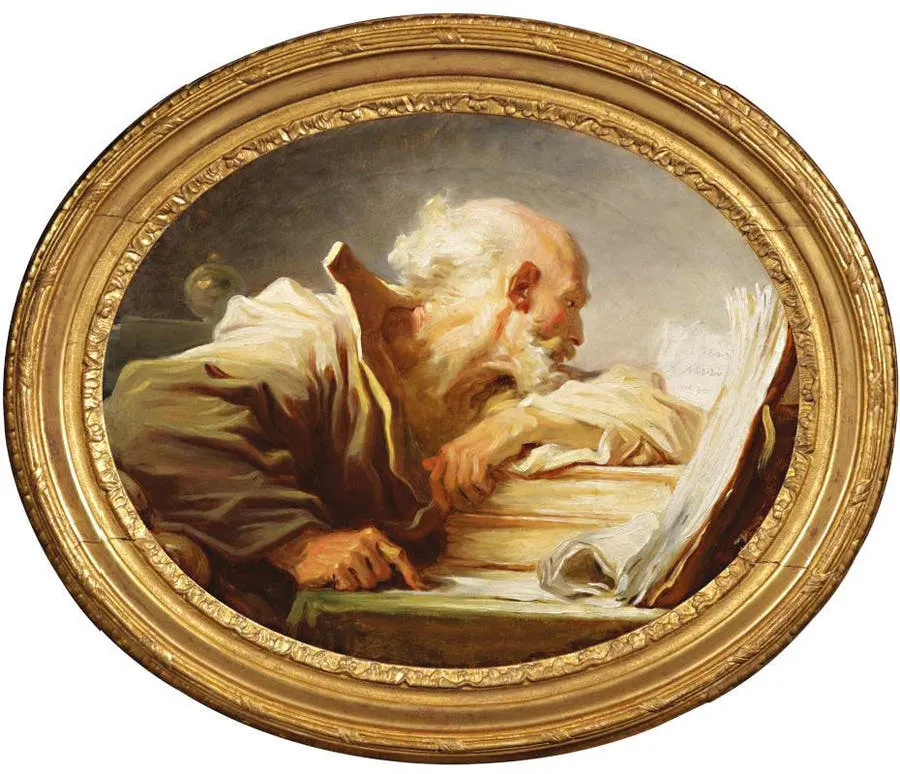
Eric Turquin Expertise, the leading specialist in Old Masters painting, to which the analysis of the painting, titled A philosopher reading, was then entrusted, confirmed its authenticity and was enthusiastic of its "brilliant execution" and of its subject. "It is the pinnacle of 18th century French painting," commented expert Eric Turquin.
Related: The Enduring Appeal of Old Masters
The painting was auctioned at Enchères Champagne on June 26, with an estimate of 1.5-2 million euros ($1.8-2.3 million). That estimate was quickly surpassed, since the hammer of Antoine Petit fell for 6.3 million euros, or 7.6 million euros including fees ($9 million). The work was purchased by a private collector, beating out seven other bidders, all by telephone.
Produced around 1768-1770, during Jean-Honoré Fragonard's “most virtuoso” period, the work features a bearded, middle-aged philosopher , who is found on several occasions in the painter's work, a contrast to his libertine, female subjects that contributed to his notoriety. It was in fact at this time that the painter, aged about 40, took an interest in the figure of this mature man, in line with the portraits of old men common among Dutch artists of the 17th century. Nine known portraits of the philosopher are found in Fragonard's oeuvre and this painting marks the tenth.
Related: 6 Sensational Attic Finds
The painting had been kept in the same aristocratic French family for decades, but no one was really interested in it and it does not appear in any inheritance deed. Without the watchful eye and instinct of Mssr Petit, the work could have fallen permanently into oblivion.
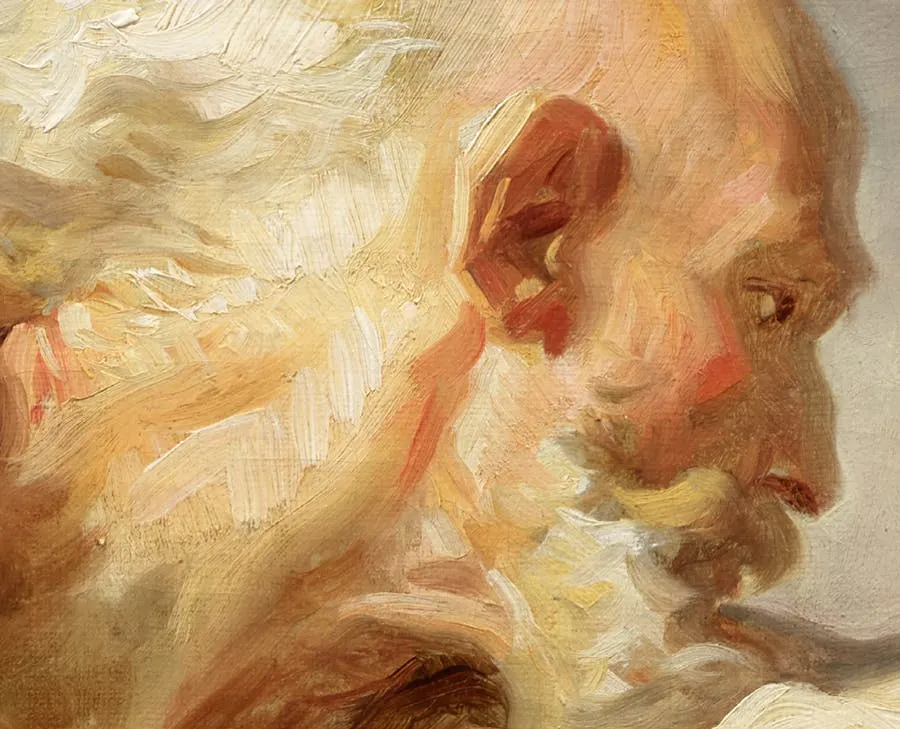
It was last documented in 1779, at the “de Ghendt” auction, where several paintings by Fragonard were on display. It is described as an oval-shaped canvas "representing a philosopher with a bald head and white beard, fixed on an open book," reported Turquin. "Very rare on the art market, the works produced during this period are today the most sought after by buyers."
Related: Top 10 Rediscovered Masterpieces
In recent years, France has established itself as the cradle of the rediscovery of old paintings. This philosopher of Fragonard thus joins the Ecce Homo of José de Ribera, the mocked Christ of Cimabue, the Algerian women of Delacroix, the Lucretia of Gentileschi and the Judith and Holofernes of Caravaggio. These recovered works contribute to the strength of the art market, and revive, a little more each time, the interest of collectors.