Whatever the many different conclusions arrived at in art-historical observations... it is the images of disaster and death that he started to make in 1963 that Warhol the chronicler gains his credibility and Warhol the artist explains the world.
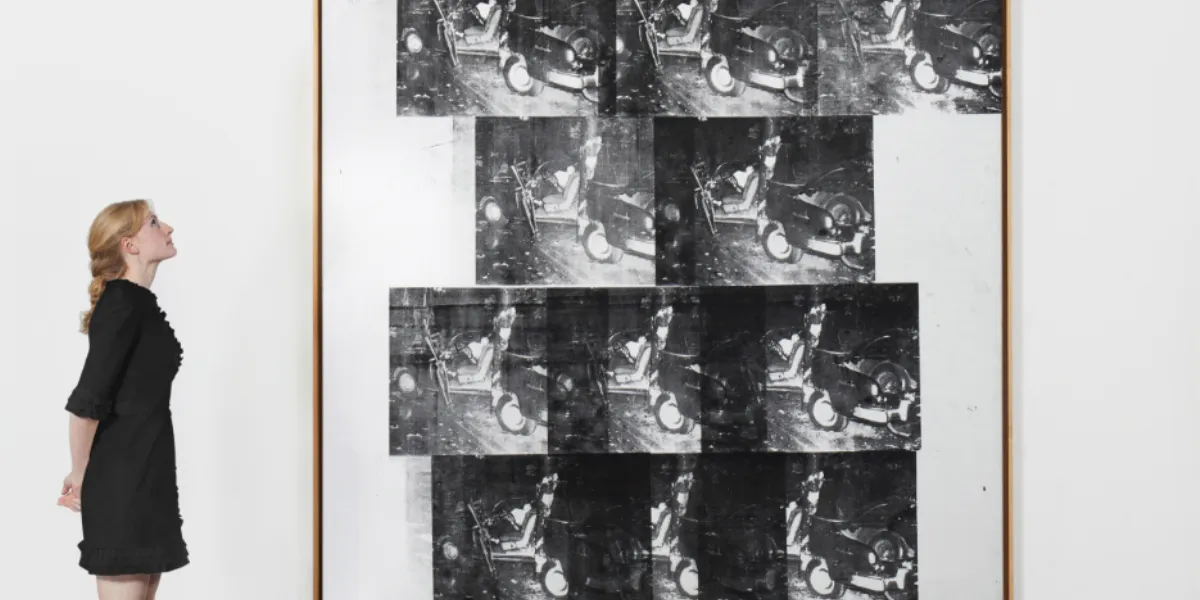
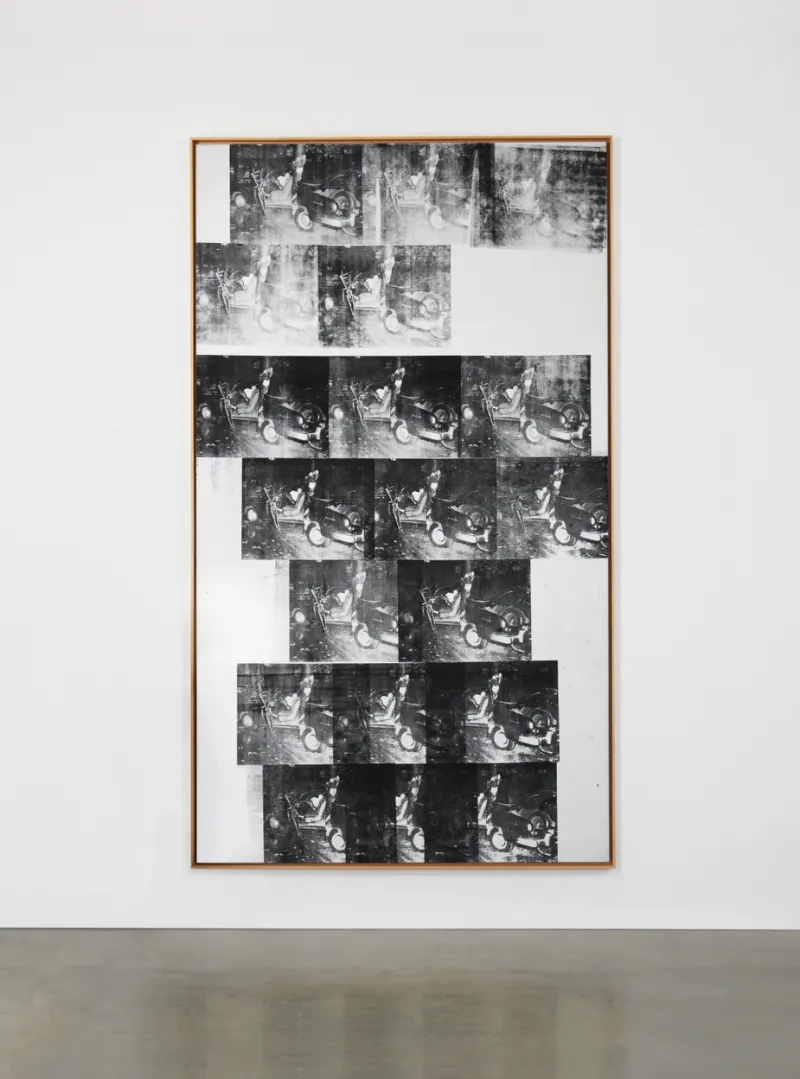
On the Contemporary Evening auction at Sotheby’s New York, Andy Warhol’s White Disaster (White Car Crash 19 Times) fetched $85.4 million, a hammer price that the auction house described as ‘monumental’.
Related: Andy Warhol: The Pope of Pop
The work comes from Warhol’s series Death and Disaster from 1963, a period of the artist’s life marked by morbid and crude images and a personal obsession with human mortality.
In the catalog notes, Sotheby’s recalled words from John Richardson’s interview with Tobias Meyer in 2013, who explained that "These Disaster paintings are not Andy revelling in disaster: this is Andy sitting at the Eye of the Storm, being the one still person among disasters, death, and horror… And that is why to my mind they are the most moving, and the strongest of all of Andy’s imagery."
Want to keep up with all the latest art world news? Subscribe to our free newsletter!
In White Disaster, Warhol duplicated a single image of a car accident 19 times in black and white. Standing 12 feet tall and 6 feet wide, the colossal picture is the largest of his car crash works. It has been described by the auction house as amongst the most radical and haunting artistic achievements of the 20th century – an image that is both beautiful and terrible.
Related: Warhol’s Marilyn Smashes Record Price
Ahead of the sale, David Galperin, Sotheby’s Head of Contemporary Art in New York, credited the large scale and the palette of the work as one of the central features of the piece. Galperin compared the work to religious altarpieces, hinting at Warhol’s catholic upbringing and religious references throughout his oeuvre. Other notable undercurrents in the Death and Disaster series are the concepts of celebrity, tragedy, fame, and death. Warhol worked on these paintings at the same that he was producing his best-known images of Marilyn Monroe after her death in 1962, and the themes of both series are clearly interlinked.