The dispatch of uncovered, open messages are a practice dating back to ancient times, one shared by the Assyrians during the fourth millennium BC with their clay tablets and the French during the reign of Louis the XIIIth when it was common to inscribe notes on the backs of playing cards.
During the 17th century, wealthy individuals had their servants deliver their epistles, giving rise to the concept of true handwritten correspondence. The tradition continued until the dawn of the 19th century, when the card started being used for social purposes – for an invitation or a thank you, inspiring, it is said, the term 'visiting card'.
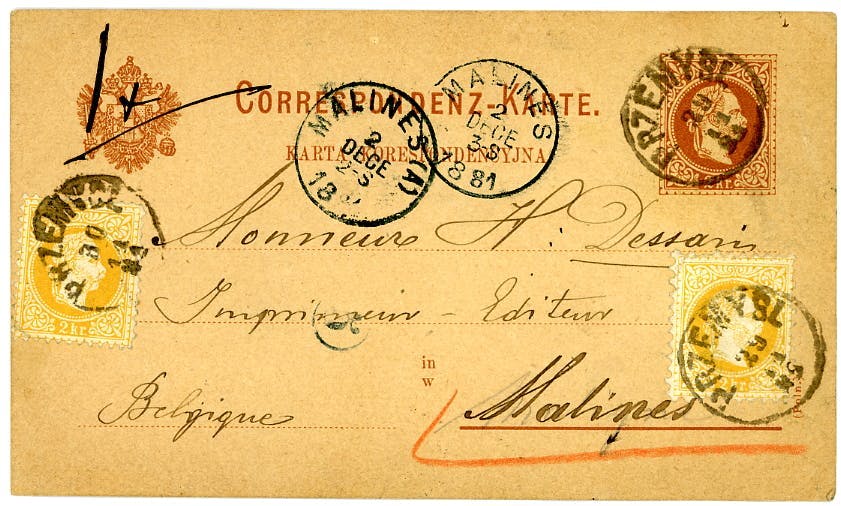
By the mid 19th century, the postcard approached its establishment: glossy commercial cards (also called 'porcelain cards') began circulating, conveying advertisements but excluding personal messages.
Related: Globes: All Around the World
Faced with a growing need to communicate more personal or extensive information, during the fifth conference of the German Postal Association of 1865 in Karlsruhe, the Prussian State Councillor Heinrich Von Stephan proposed, “the circulation of an unpackaged cardboard sheet of correspondence”. The idea was not immediately accepted; the term 'correspondence card' only emerged four years later, on the 28th of January 1869, coined by Emmanuel Hermann, an Austrian professor.
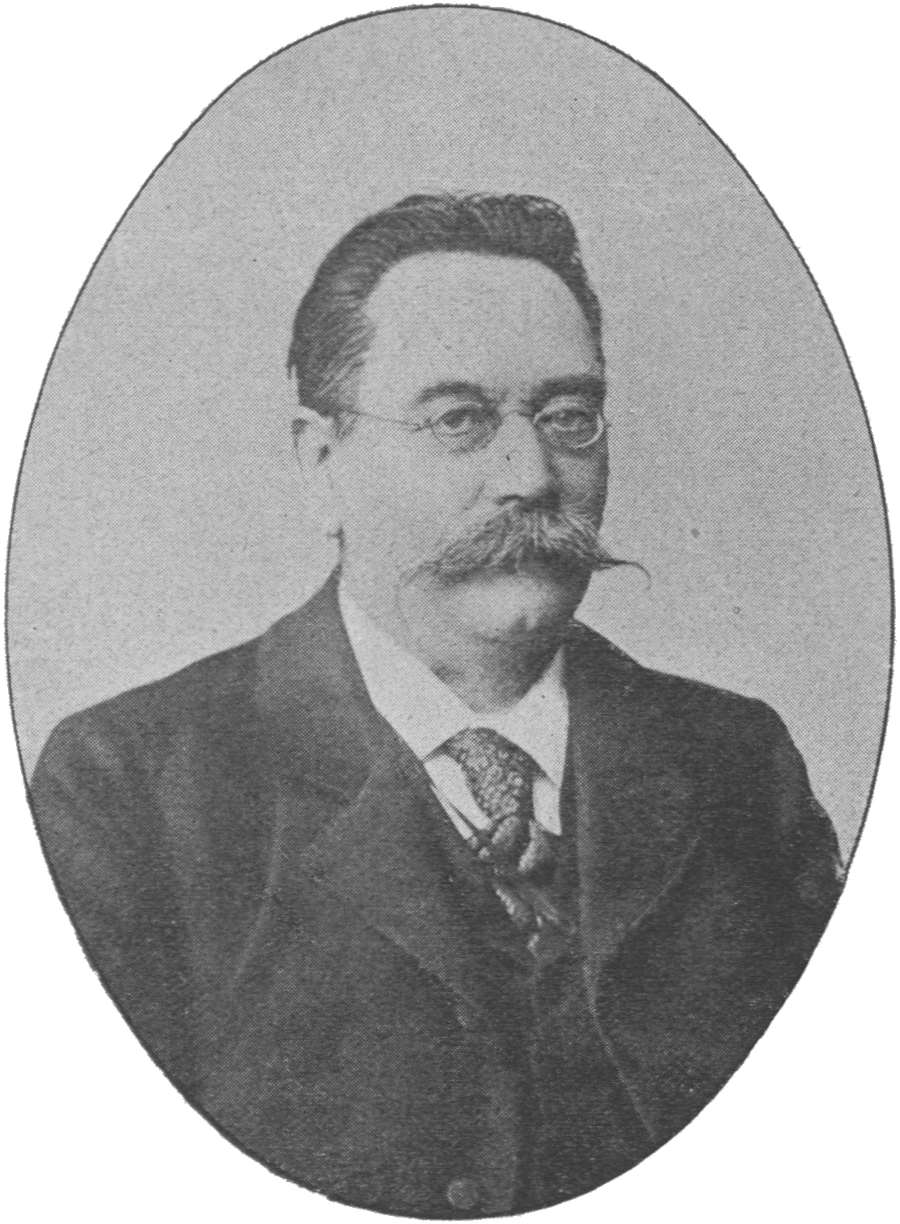
He transcribed the first known codification of this mode of exchange: the postcard was then “a rectangle of resistant paper whose front is printed with administrative text and the reproduction of a stamp – the back being reserved for correspondence which will circulate in broad daylight”.
Related: World’s Most Expensive Coin and Stamps at Auction
Initially, the idea of 'open-air' correspondence considerably curbed the postcard's popularity. The divergence from the secrecy inherent in personal or intimate conversation did not immediately appeal to the European public. In France, during the 1870 Franco-German War, the first postcards were disseminated by two foreign administrations, Germany and Switzerland, and were emblazoned with a Prussian stamp.
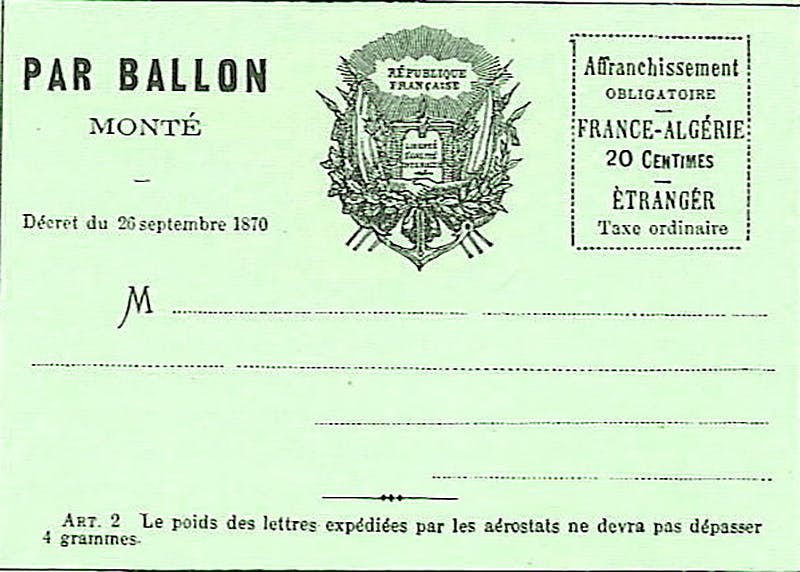
During the siege of Paris, the capital's postal service finally conceived the famed 'postcard', rectangular pieces of thin cardboard “weighing 3 grams at most and measuring 11 by 7 centimeters” and bearing the recipient's address on one side and an inscription on the other. Postcards, franked by the user for transmission by ballon monté (or manned balloons carrying mail), were widely used for the following five months, conventionalizing conspicuous exchange.
Related: The Gramophone: A History
The French city of Metz, also under siege, set up the 'Butterfly of Metz', a method of air transportation transcending city limits, now considered the forbearer of airmail. Letters etched on onion skin paper measuring 5 x 10 cm were bundled together and fastened to modestly-sized balloons inflated with hydrogen or gas lighting. Each balloon was expedited alongside a small slip issuing directions to its discoverer.
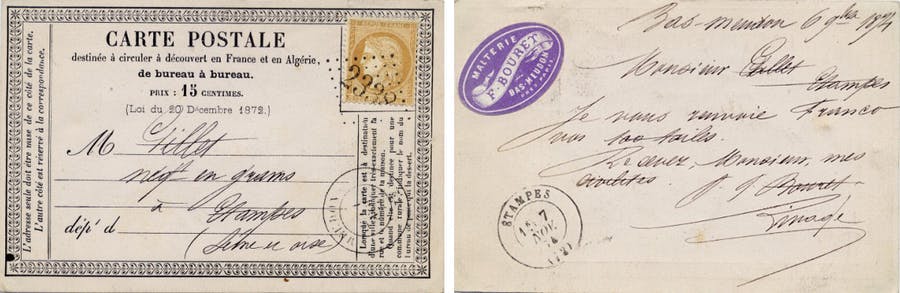
After the war, emboldened by its fraught relations with Germany, France attempted to usurp the title of inventor of the postcard from German inventors.
The unillustrated French postcard was made official on 20 December 1872, but only existed in two exclusively administrative versions: one that could travel within a particular office's district (yellow model franked at ten cents) and another that could migrate from office to office (model franked at fifteen cents). In one week, more than seven million copies of the latter were sold.
Related: How to Become an Outstanding Stamp Collector
Merchants began seizing postcards, which were then monopolized by the French Post Office, as early as 1873 to print advertisements on their rear. In reaction to this phenomenon, on October 26, 1875, a decree liberalized postcard production so long as the administrative model was respected.
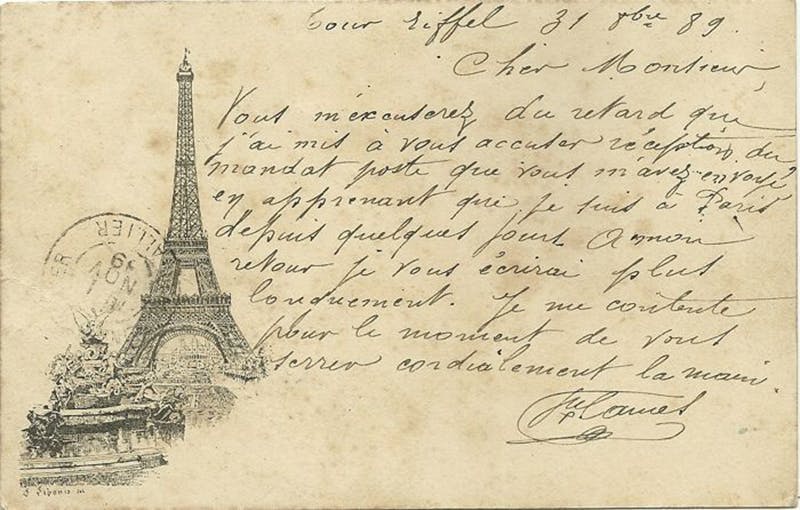
A new print was unveiled at the 1889 Exposition Universelle in Paris: the 'Libonis'. Named after the designer Léon Charles Libonis, the postcard was the first of its kind to feature an engraving of the Eiffel Tower. Three hundred thousand copies of these cards commemorating the unveiling of the Parisian monument were printed for the exposition on the Société de la Tour Eiffel's request. Five different designs were made available from August.
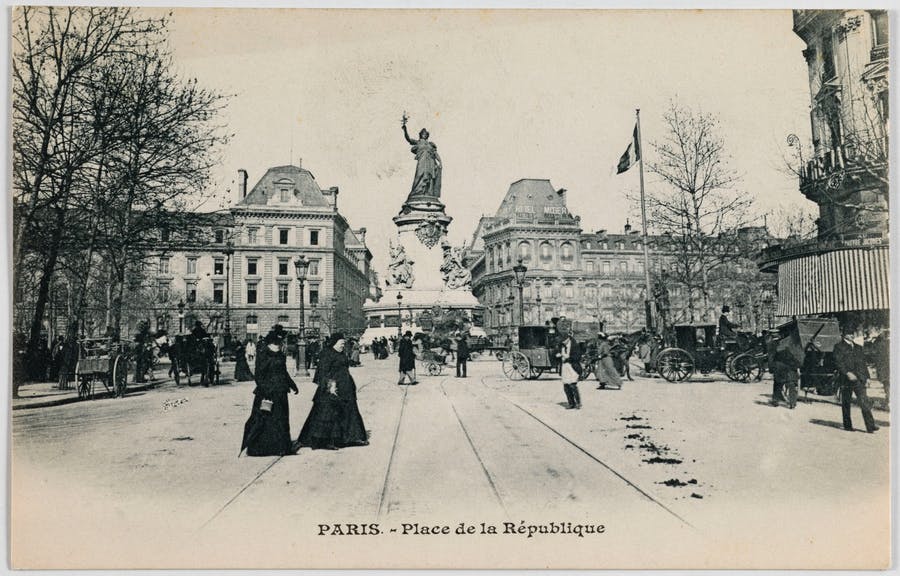
Shortly thereafter, in 1891, Dominique Piazza, a salesman from Marseille, launched the first picture postcard. He had found a way to reduce the images to the point of fitting three on one postcard face, which he then addressed to a friend in America. Renowned printers and publishers resumed his initiative in the years that followed, affording the postcard a whole new dimension. As the trend spread, the cost of postcards plummeted.
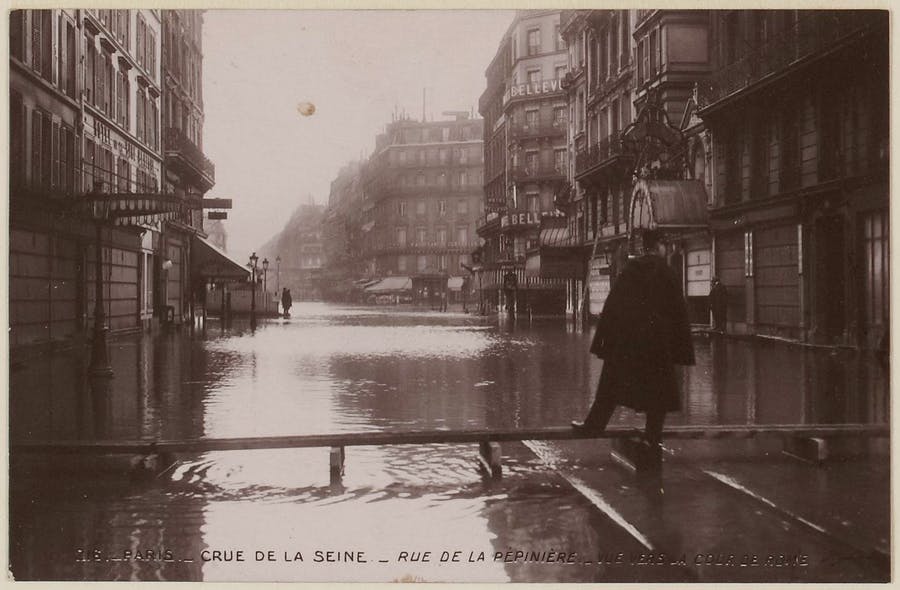
On its return in 1900, the Exposition Universelle marked a considerable boom in the use of postcards. At a time when newspapers did not yet feature photographs, postcards were regarded as a new form of media. Their production rose from 100 million in 1910 to 800 million in 1914. The flooding of the Seine in the winter of 1910 shows the everyday journalistic role the postcard played at the time, while the First World War granted correspondence a new impetus as a consequence of the millions of men isolated from their families.
During the 1920s, people seemed to turn away from postcards. The social context greatly contributed to this form of communication's demise: families were reunited, the advent of the telephone and telegraph, the introduction of photography in the press and the automobile's advancement. These lifestyle changes bolstered the public's brand-new inclinations that even the most creative publishers and illustrators were unsuccessful in hampering the postcard's downfall. As a result, postcard quality took a hit, their images becoming more and more banal in the process. Ultimately, the postcard disappeared from everyday life in favor of new imaging practices.
Related: Tamara de Lempicka and the Roaring Twenties
1975 marked the postcard's comeback for its symbolization of a bygone era. Simultaneously, travel, and consequently tourist postcards, gained momentum, largely confined to the sphere of historical monuments.
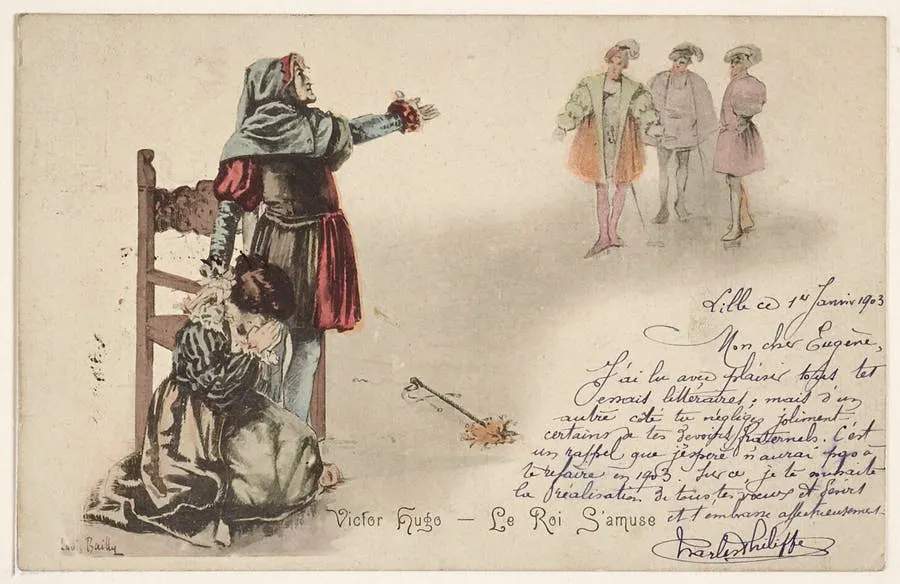
Today, postcards represent a direct visual testimony of our past. Thanks to their illustrations, introduced at the turn of the twentieth century, postcards are now considered a collector's item and which continue to attract an avid audience of connoisseurs and history buffs.