

OCT 31 | 4:00 PM

All auctions / Ancient Art / Western Asiatic Bronze Spearhead with Fan-Shaped Blade...

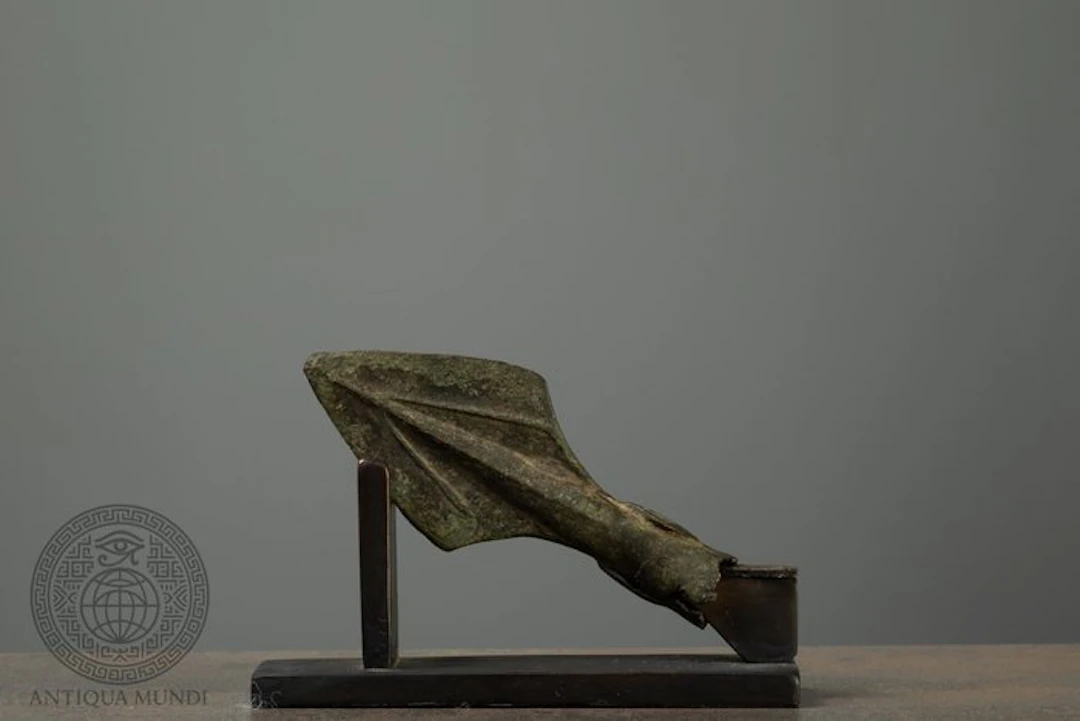
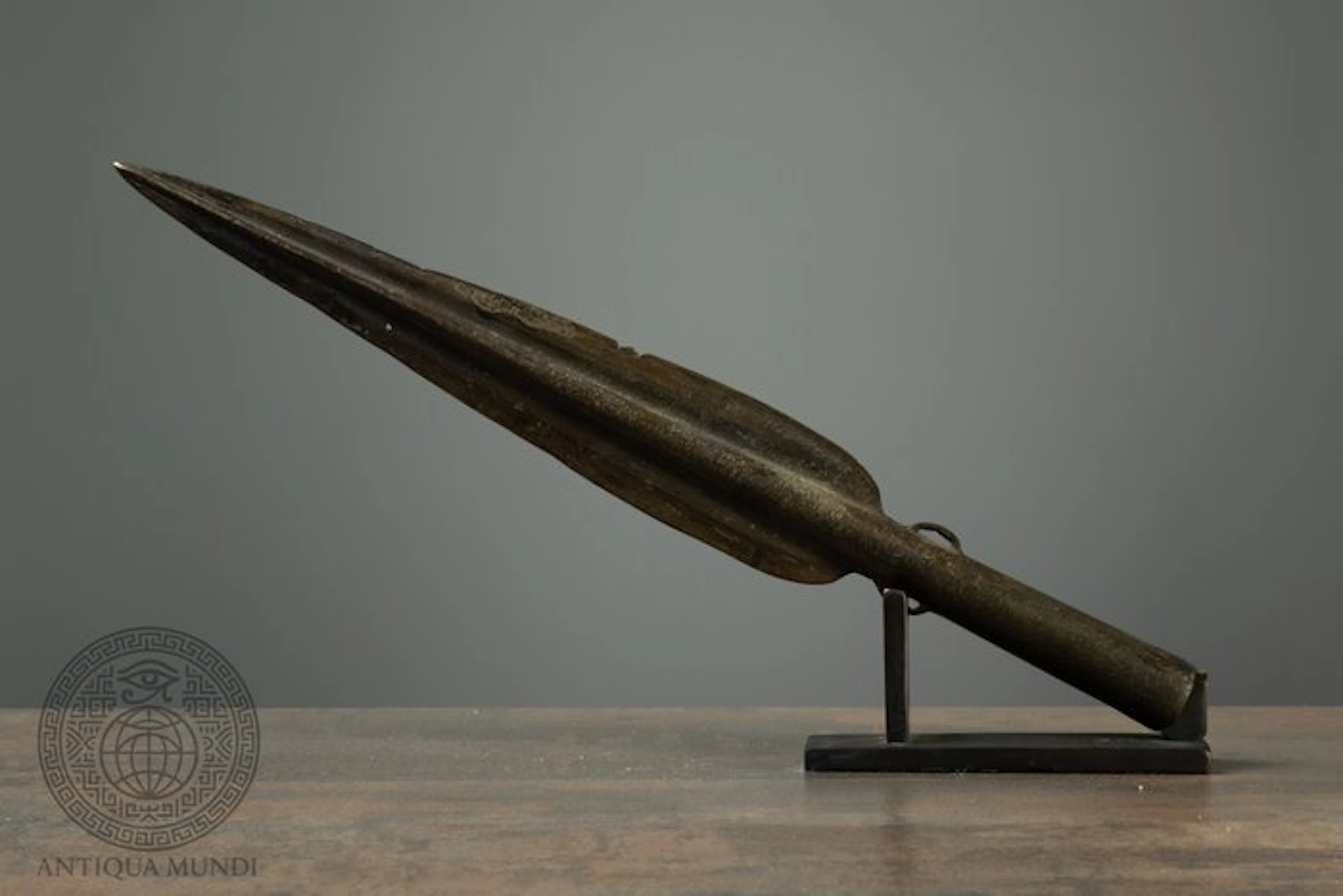
Distinctively shaped bronze spearhead from the cultural region of Luristan in western Iran, dating to the Early Iron Age. This compact example is characterised by its unusually broad, approximately fan- or leaf-shaped blade and its pronounced raised rib structure. The blade widens considerably from the socket towards the upper section, forming a broad, almost triangular point. The lateral cutting edges are slightly curved and converge towards the tip. With a maximum width of approximately 5 cm, the blade has a powerful and particularly distinctive silhouette. One of the most striking features is the pronounced relief-like profiling of the blade. A strong raised central rib extends longitudinally from the lower section towards the point. Additional raised ribs extend across the blade in a radiating arrangement. These ribs are visible on both sides and give the spearhead its characteristic fan-like appearance. In addition to their decorative effect, the ribs would have provided structural reinforcement to the relatively broad blade. At the lower end, the blade merges directly into a substantial hollow socket, originally intended to receive a wooden spear or lance shaft. The original wooden shaft is no longer preserved. The combination of the broad blade, pronounced central reinforcement and hollow socket strongly supports its identification as a spearhead or lance head. An interpretation as an arrowhead is considerably less likely given its dimensions of approximately 12 × 5 cm and its comparatively massive construction. Typology and Cultural Context Bronze spearheads and lance heads constitute an important group within the weapon production of ancient western Iran. Numerous forms are known from the Luristan region, ranging from narrow lanceolate examples to broader leaf-shaped blades and weapons with differently developed central ribs and reinforcing profiles. The present example is particularly distinctive because of its broad blade and pronounced radiating reinforcing ribs, setting it apart from simpler forms. The relief-like modelling combines structural reinforcement with a strong decorative effect and gives the weapon an unusually sculptural appearance. Typologically, the object can be placed within the broader tradition of Luristan bronzes of the Early Iron Age. A dating to the early 1st millennium BC, approximately the 10th–8th century BC, appears plausible for catalogue purposes. Function The hollow socket originally accommodated a wooden shaft, allowing the bronze blade to function as the head of a thrusting or throwing spear or lance. Its relatively broad and substantial blade distinguishes it from considerably smaller and lighter bronze arrowheads. The elaborate raised rib structure may have served both a functional and decorative purpose. While the ribs reinforced the broad blade, the unusually elaborate design may also have given the weapon a representative character. Without a documented archaeological find context, however, a more specific interpretation as a ceremonial or status weapon cannot be established with certainty. Condition Age-appropriate good condition. The broad blade with its characteristic raised rib structure and the hollow socket are preserved. The surface displays a pronounced dark green to olive-brown patina, with areas of lighter green copper corrosion products and mineral deposits. There is age-related surface roughness, wear, minor irregularities and small losses or impacts along parts of the edges. The raised central and lateral ribs remain clearly visible and give the blade its characteristic sculptural appearance. The socket is preserved. The original wooden shaft is no longer present. Please examine all photographs carefully, as they form an integral part of the condition description. Included in the Sale The sale includes the ancient bronze spearhead only. The modern display stand visible in the photographs is used solely for presentation and is not included in the sale. Provenance Formerly in the Madeleine & Erich Dammann Collection, Germany. Acquired during the collectors’ extensive travels between 1950 and 1970. The collection is documented in Germany by 1970 through historical photographs of the family residence and subsequently remained in continuous family ownership. The objects were acquired privately during the collectors’ travels. As was customary for private purchases made at local markets during the 1950s and 1960s, purchase receipts or invoices were generally neither issued nor requested. Historical photographs and biographical documentation relating to the Dammann Collection are available and support the long-standing provenance of the collection.
Estimate:$392.92
To the auctionView all items fromCatawikiorAncient Art
Estimate:
$392.92
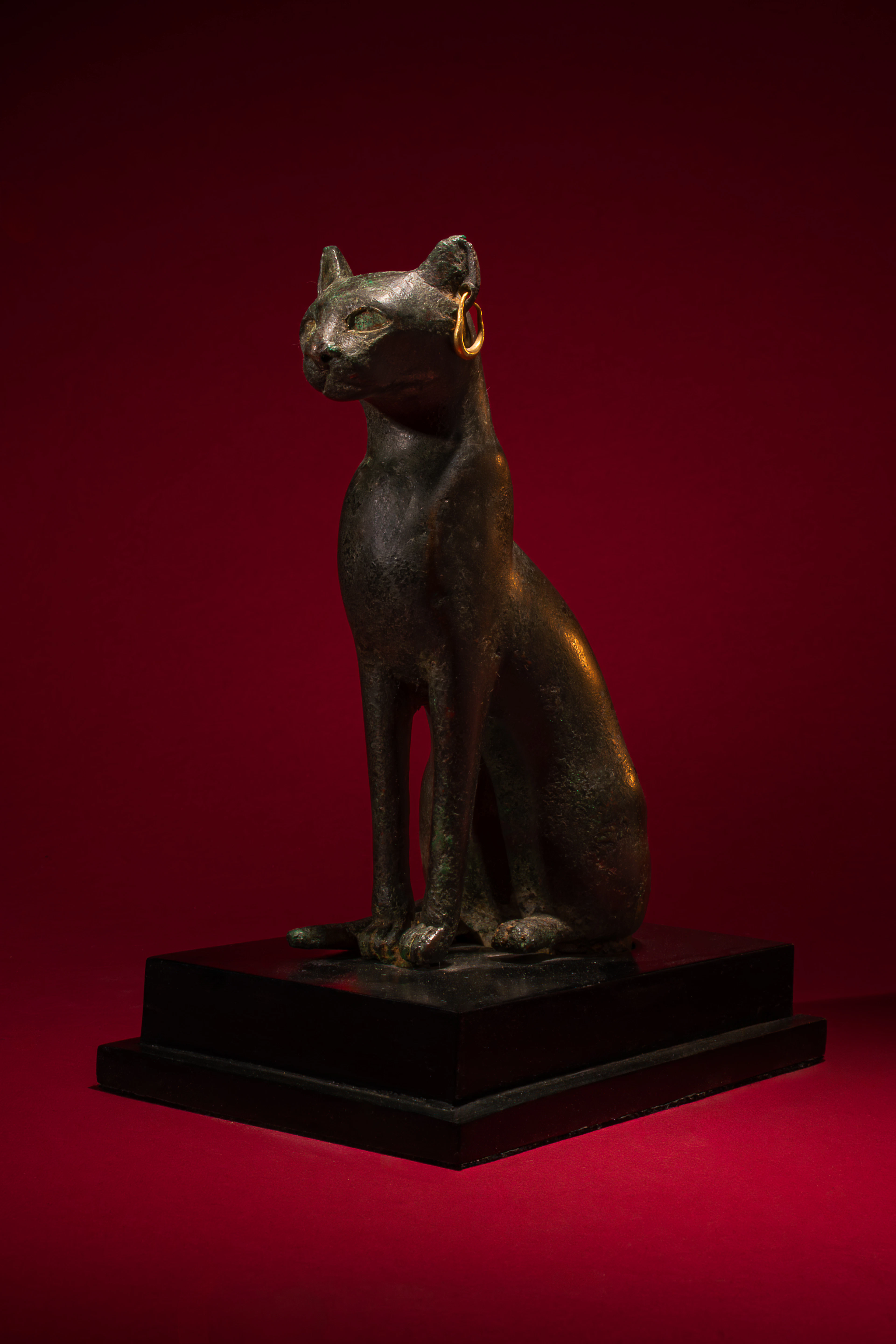
RARE EGYPTIAN BRONZE CAT STATUETTE WITH GOLD EARRINGS - LARGE SIZE
06/21/2026

$29,141.2
Est: $26,836.62
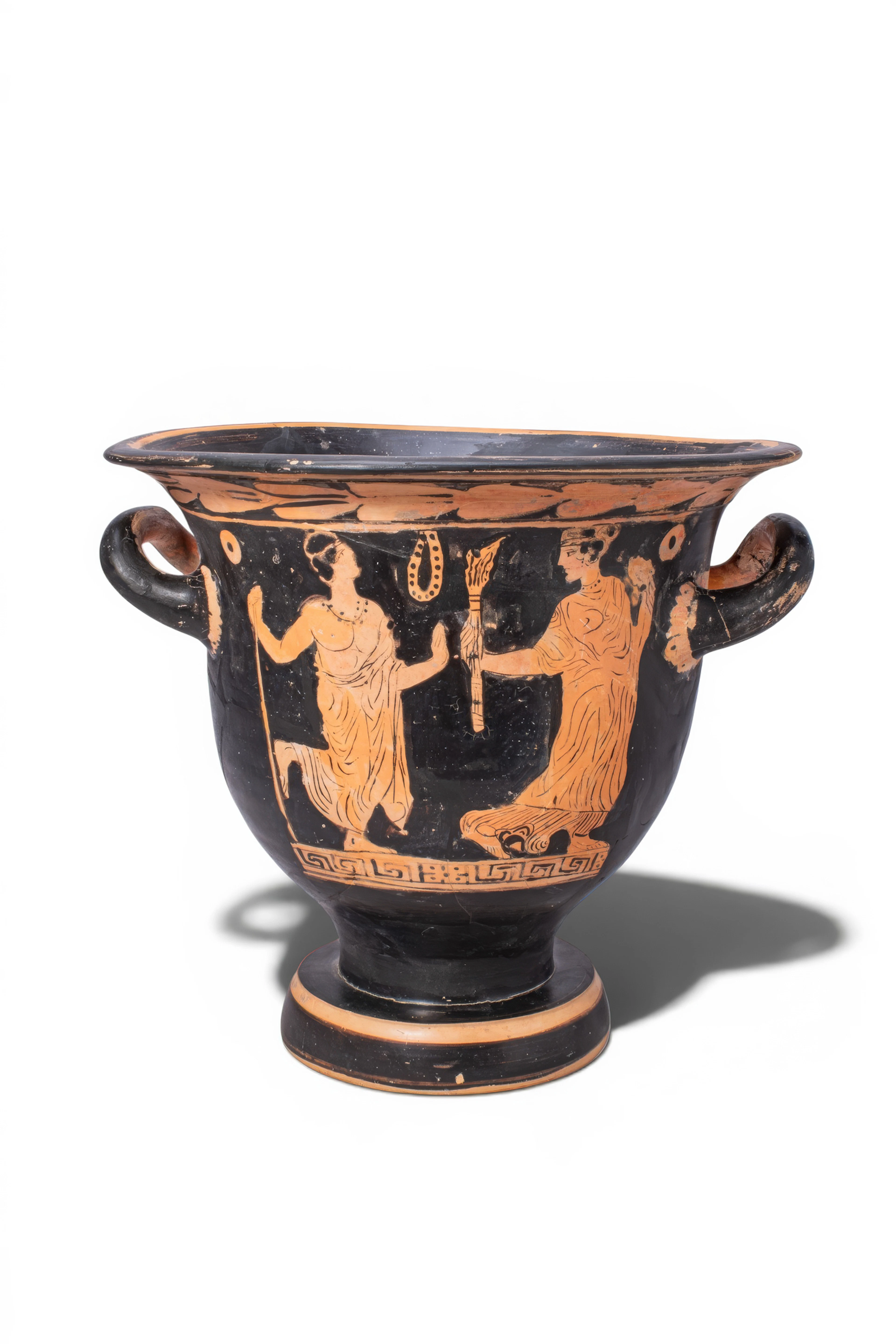
APULIAN RED-FIGURE BELL KRATER WITH KOMASTOS AND MAENAD - TL TESTED
06/21/2026
$3,443.96
Est: $2,640.96
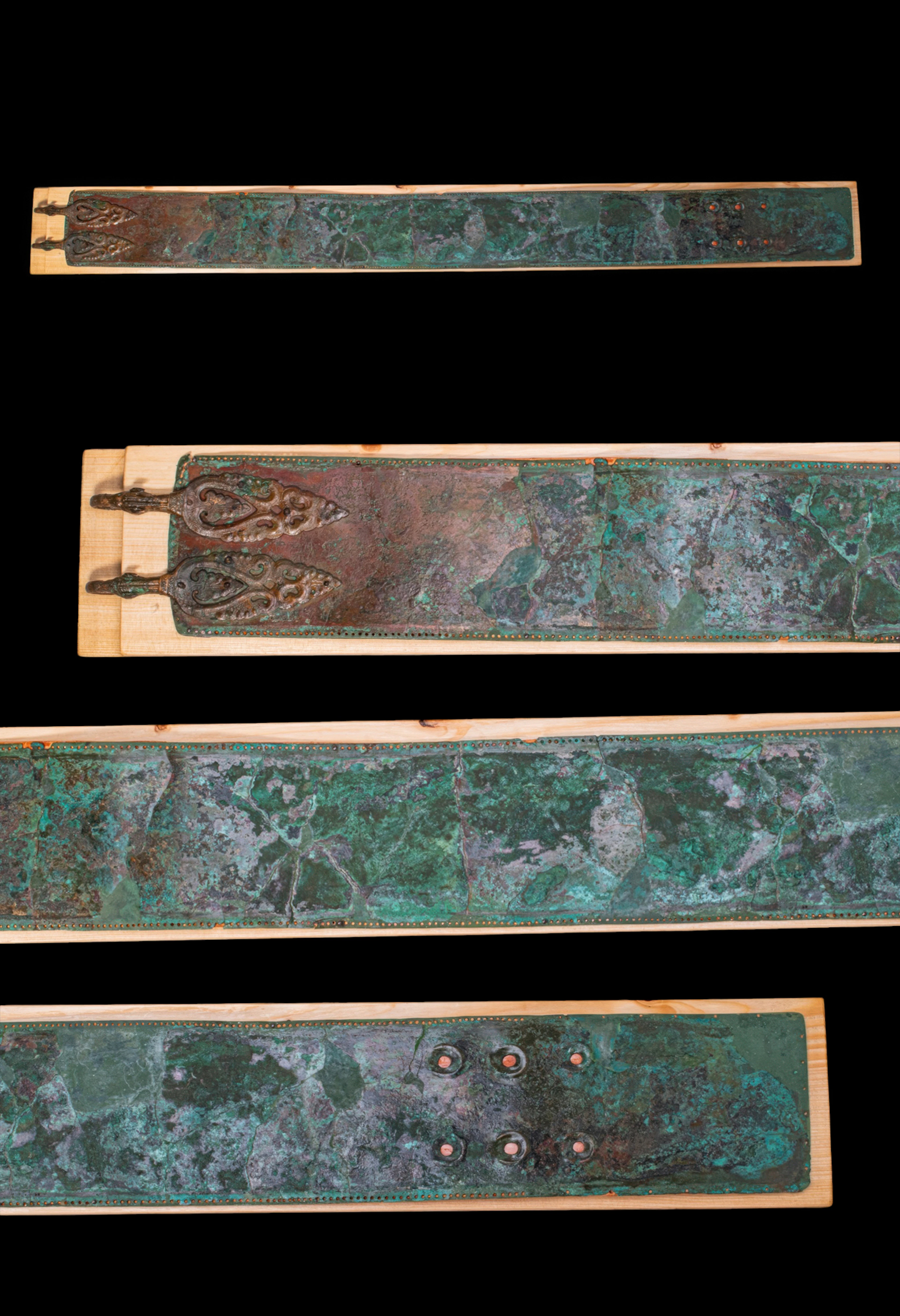
OCT 31 | 4:00 PM

OCT 23 | 8:00 AM


OCT 27 | 4:00 PM
Bring your auction to collectors worldwide!
Get listed nowBy subscribing, you are agreeing to the privacy policy. Unsubscribe anytime.
Barnebys HQ
Brahegatan 10
BOX 5038
114 37 Stockholm
