


Bring your auction to collectors worldwide!
Get listed nowBy subscribing, you are agreeing to the privacy policy. Unsubscribe anytime.
Barnebys HQ
Brahegatan 10
BOX 5038
114 37 Stockholm
All auctions / Books, Maps & Manuscripts / V. Fourier; Emile Escallier - Organisation des Forces...

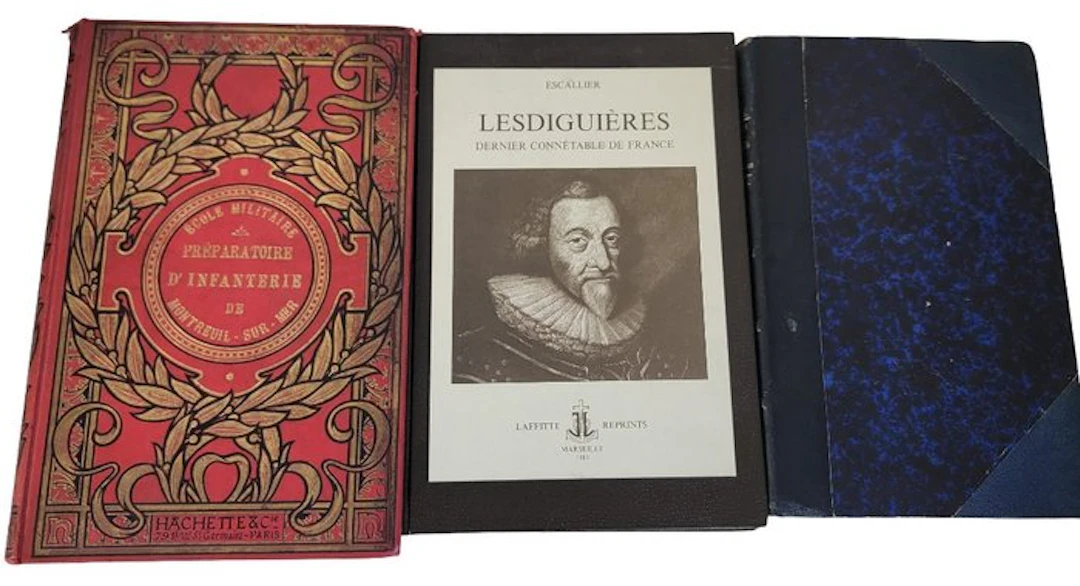
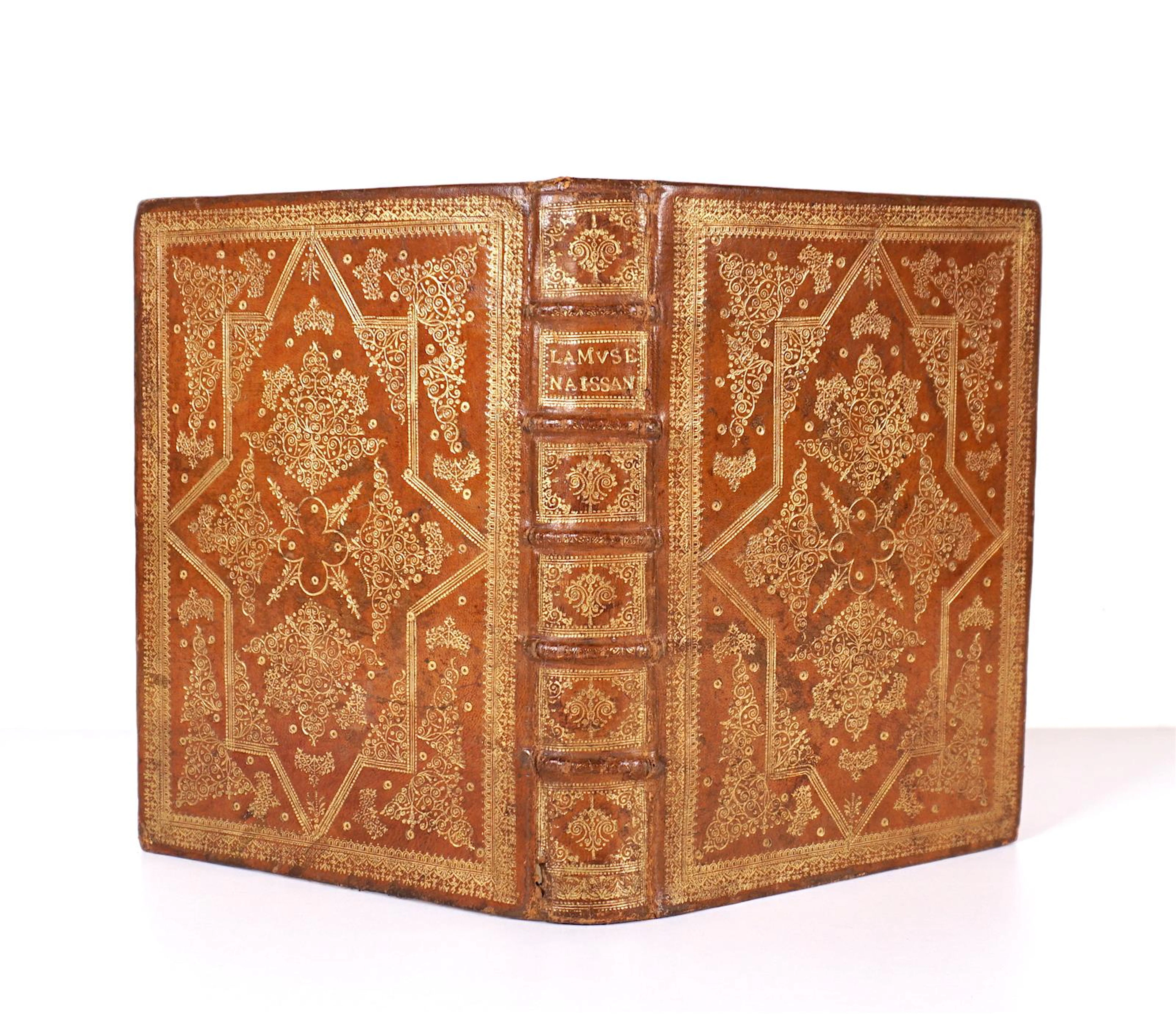
Lesdiguières, last Constable of France in 1 volume large in-12 faux leather, 202 pages - Beautiful copy. The work is devoted to François de Bonne, Duke of Lesdiguières (1543-1626), a great figure of Dauphiné, who became Marshal of France in 1609 and then Constable of France in 1622 under Louis XIII. He is traditionally regarded as the last holder of this office. Origin and role; The stables: In the beginning, the constable was in charge of the king’s horses and stables. Chief of the armies: His function grew over time. From the 12th century, he became the sovereign head of the king’s army. Military power: He commands soldiers in battle and gives orders to the marshals of France. In the king’s absence, he replaces him to lead the country. King Louis XIII definitively abolished this office after the death of Lesdiguières to prevent a single person from having too much military power. Organization of the Armed Forces of France designed according to the notion of social unity and preceded by the examination of the French army in 1867 in 1 volume large in-12 half calfskin, corners percaline, 280 pages - Light external wear, fresh interior - Pleasant copy. [A With a Note from the Author] The book is particularly interesting because it does not seem to be merely a technical military treatise. Fourier starts from the examination of the French army as it exists in 1867, then proposes an organization of the armed forces based on a broader notion of “social unity.” The context is the Second Empire, on the eve of the Franco-Prussian War of 1870. The year 1867 is also the year of the Paris Universal Exposition, in a France where issues of recruitment, reserve, the national guard, territorial organization, and military power are the subject of extensive debate. Le Fils du Connétable in 1 volume large in-12 red cloth binding with romantic decorations, all edges gilt, 189 pages - Light external wear, fresh interior - Pleasant copy. Rousselet tells the story of an alleged descendant of the constable Charles III of Bourbon (1490–1527). According to this narrative, Charles de Bourbon is said to have had a hidden son, generally identified in tradition as Jean-Philippe de Bourbon, whose line would have gone to the Indies. This story is one of the ancient sources of the tradition concerning the “Bourbons des Indes,” a family established notably in Bhopal. Lesdiguières, last Constable of France in 1 large volume in-12 faux leather, 202 pages - Beautiful copy. The book is dedicated to François de Bonne, Duke of Lesdiguières (1543-1626), a great figure of the Dauphiné, who became Marshal of France in 1609 and then Constable of France in 1622 under Louis XIII. He is traditionally considered the last holder of this office. Origin and role; The stables: At first, the constable was in charge of the king’s horses and stables. Chief of the armies: His position grew over time. From the 12th century, he became the sovereign head of the king’s army. Military power: He commands soldiers in battle and gives orders to the marshals of France. In the absence of the king, he replaces him to lead the country. King Louis XIII definitively abolished this office after the death of Lesdiguières to prevent a single person from having too much military power. Organization of the Armed Forces of France designed according to the notion of social unity and preceded by the examination of the French army in 1867 in 1 large volume in-12 half sheepskin, corners percaline, 280 pages - Slight external wear, fresh interior - Pleasant copy. [A With a Submission from the Author] The book is particularly interesting because it does not seem to be only a technical military treaty. Fourier starts from the examination of the French army as it existed in 1867, then proposes an organization of the armed forces based on a more general conception of "social unity". The context is that of the Second Empire, on the eve of the Franco-Prussian War of 1870. The year 1867 was also the year of the Universal Exhibition in Paris, in a France where questions of recruitment, reserves, national guard, territorial organization and military power were widely debated. Le Fils du Connétable in 1 large volume in-12 cartonnage publisher with romantic decorations, all gilt edges, 189 pages - Slight external wear, fresh interior - Nice copy. Rousselet tells the story of an alleged descendant of the constable Charles III of Bourbon (1490–1527). According to this account, Charles de Bourbon had a hidden son, generally identified in tradition as Jean-Philippe de Bourbon, whose descendants would have gone to the Indies. This story is one of the ancient sources of the tradition concerning the "Bourbons des Indes", a family established notably in Bhopal.
Estimate:$1.13
To the auctionView all items fromCatawikiorBooks, Maps & Manuscripts
Estimate:
$1.13



Bring your auction to collectors worldwide!
Get listed now
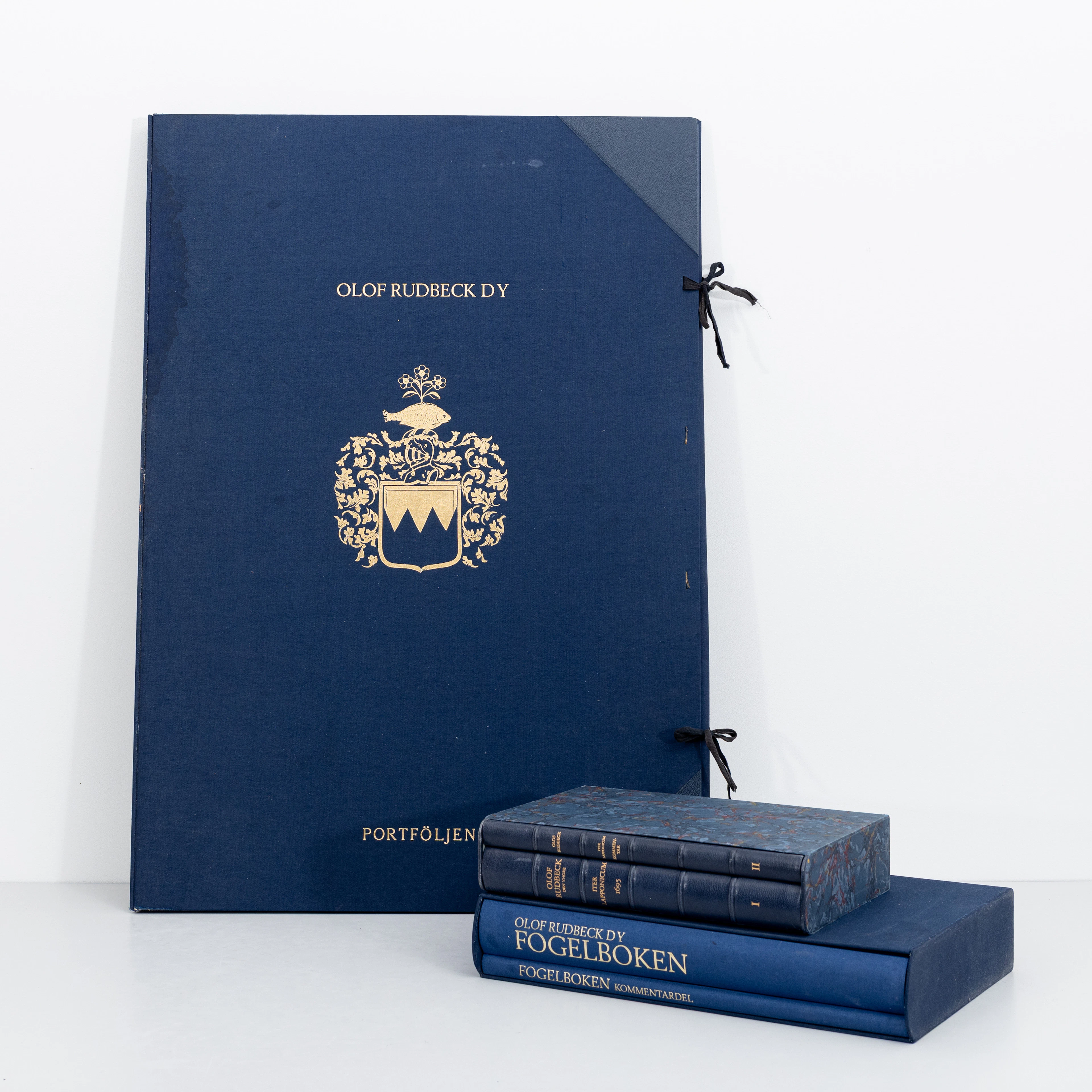
OLOF RUDBECK D.Y. Faksimilutgåvor, portfölj med planscher samt 2 st
09/29/2026
$159.85
Est: $301.17
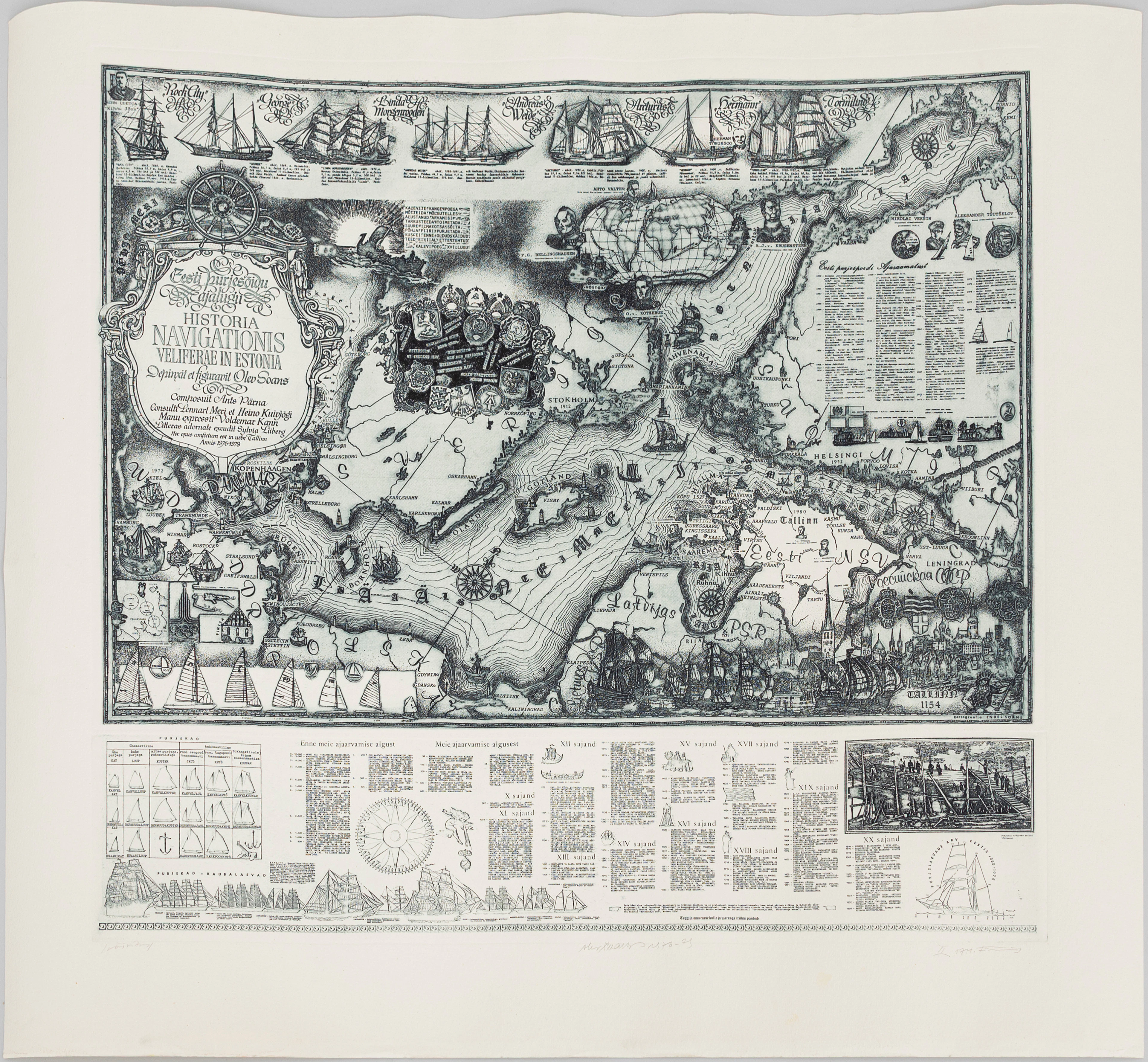
OLEV SOANS (ESTLAND, 1925–1995). "Historia navigationis Velieferae
09/29/2026
$208.5
Est: $250.98