



All auctions / Medals, Arms & Armor / Shaman Chants - Mudang

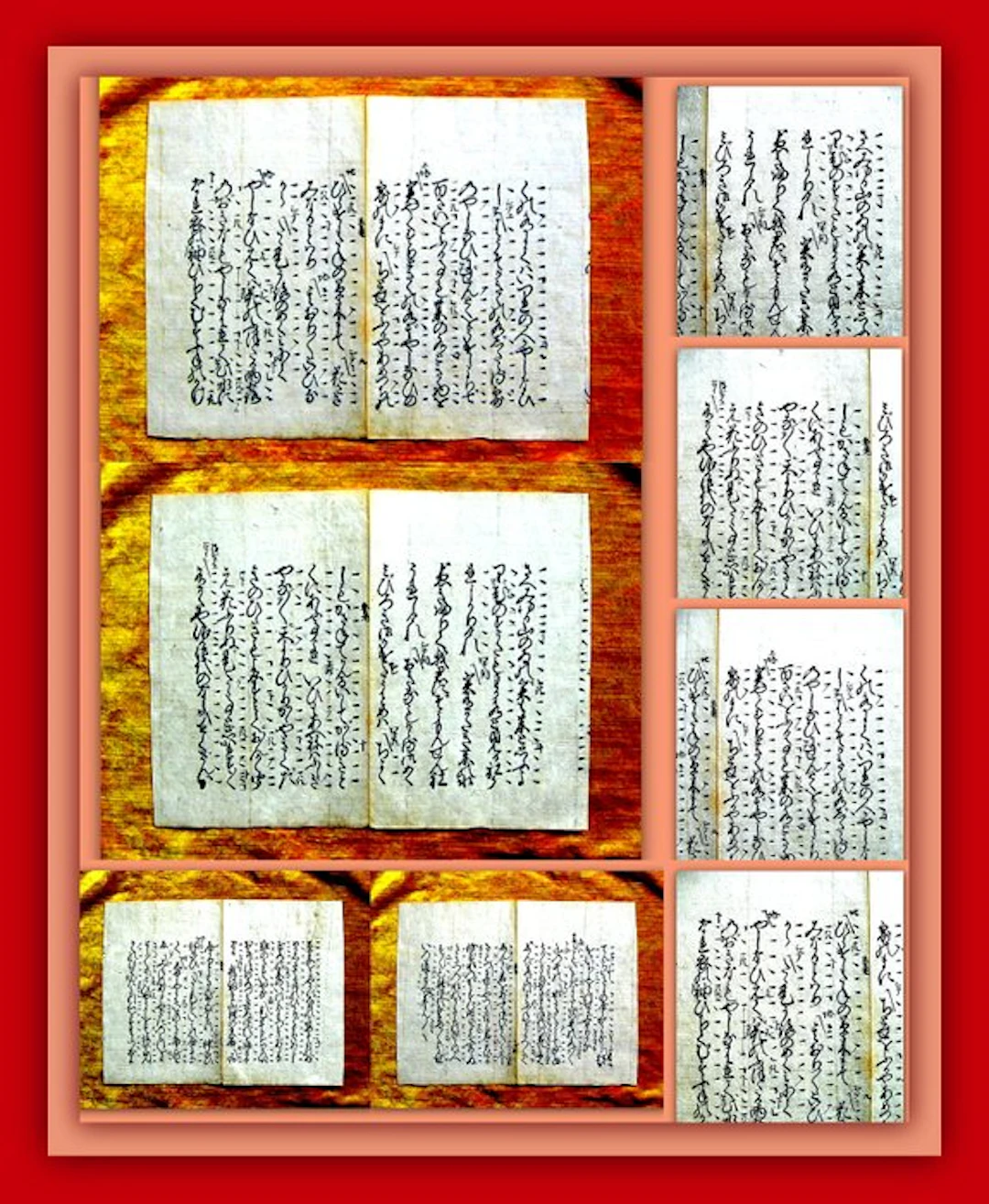
Shaman Songs MUDANG Song Manuscripts and Ritual Songs 8-page manuscript Kyoto, Japan around 1450 Love songs, Kabuki, Buddhism, ballads, children’s songs, old Japanese folk songs KO UTA-NOH 4 double leaves = 8 pages partly hand-colored in red ink Utai (Noh singing): The singing voice of Noh drama is Utai. It encompasses not only the melodic parts but also the spoken lines. However, it is not limited to a single element of Noh drama; it has also been loved and used as an independent performing art since the Muromachi period (1392-1573). In traditional Japanese music there are two subcategories: Gagaku and Shomyo. Shomyo denotes Buddhist ritual chants and therefore has a religious background. Gagaku is a kind of Japanese orchestral music. Noh is a performing art and is Japan’s oldest form of musical theater. The story is spoken in a recitative as Utai. In the leading role is the Emperor (the Protagonist, meaning “maker” or “actor”) and in the supporting role the Waki (meaning “companion” or “spectator”). The actors wear lacquered wooden masks and richly colored costumes woven with brocade. There are also roles without masks, but even then the face is used to resemble a mask without attempting facial expressions. Movements are restrained and the actors put no emphasis in the voice; Noh expresses the darker sides of humanity, the mysterious gestures and the monotone music create a deep beauty and are known as yugen (the subtle and profound). Nagauta (Long Epic Songs): Nagauta are long sung pieces with shamisen accompaniment from the middle period of the Edo era (1603-1867). Until this time, the culture of Edo (today Tokyo) was an imitation of Kyoto and Osaka culture. Originally nagauta were created as dance music for Kabuki, but a striking feature is their diversity, since in their development the words and melody of the Noh chorus, Kyogen were adapted. Kouta (Little Ballads): Kouta is a type of ancient Japanese music. The traditional songs are sung with humor and irony. Shamisen accompaniment. Kouta ballads are often from the early Edo period (1603-1867). Shamisen songs are short love songs (ha-uta). Today there are many inquiries from schools and many enthusiasts of Kouta, Daidogei (Street Theater): These are performances on the roadside where many people gather. They are carried out either to solicit donations or to sell goods. Some of these traditional Japanese arts, such as Naniwa-bushi, are recited. It usually took a very long time to grab the audience’s attention. By providing a lively monologue, sales are stimulated. It is also called: selling “fat toads,” because it leaves holes and cracks in the skin. Min’yo (Folk Songs): Min’yo are popular songs of ordinary people. The songs often reflect the simple life and emotions. There are various kinds of these songs. They feature the beauty of high tones and delicate melodies. Flutes, drums, five-hole bamboo clarinets, and shamisen are used for accompaniment. During the Bon Festival (Bon Odori) people dance in a circle. Warabeuta (Children’s Songs): Doyo are songs for children. In particular, warabeuta are songs that children sing in daily life and pass on through their playmates. They resemble folk songs. The lyricists and composers are unknown, and they spread spontaneously. The original form of warabeuta was likely established in the Heian period (794-1185). Moreover, there are many connections to nature. Over the years the songs have altered their content. Naniwa-bushi (Naniwa-bushi): It is also known as Rokyoku. This is a unique Japanese performing art. In these admirable stories and tragedies, music is recited. The emphasis especially expresses sorrow and indignation. People also speak of the oppressed hearts of ordinary people. Here we have an absolute rarity: Shaman Songs MUDANG, song manuscripts and ritual songs of ancient Japan. I guarantee you the age and the originality.
Estimate:$224.74
To the auctionView all items fromCatawikiorMedals, Arms & Armor
Estimate:
$224.74
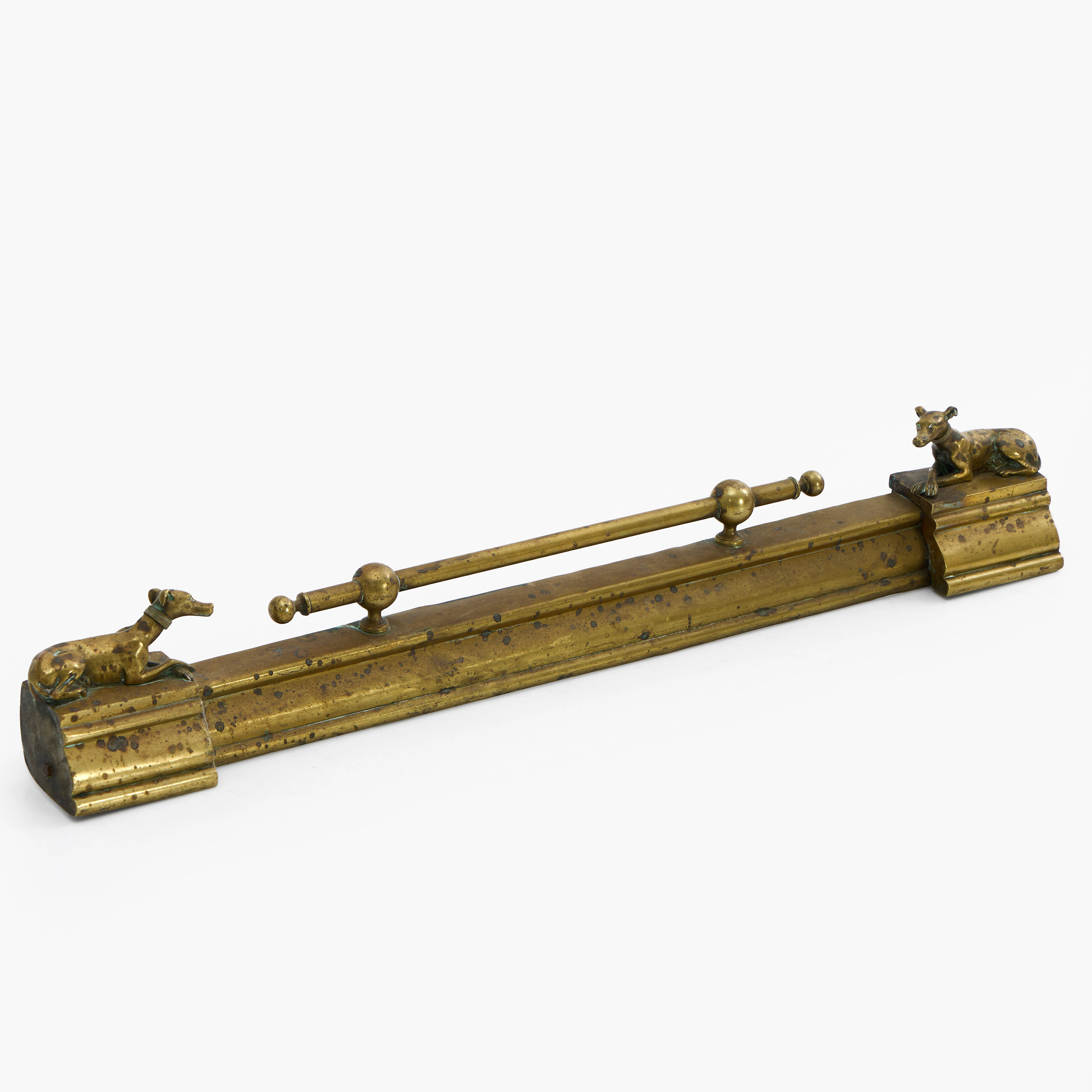
BRASSTÄLL, 1900-talets första hälft, dekor med hundar.
10/15/2026
$152.33
Est: $150.22
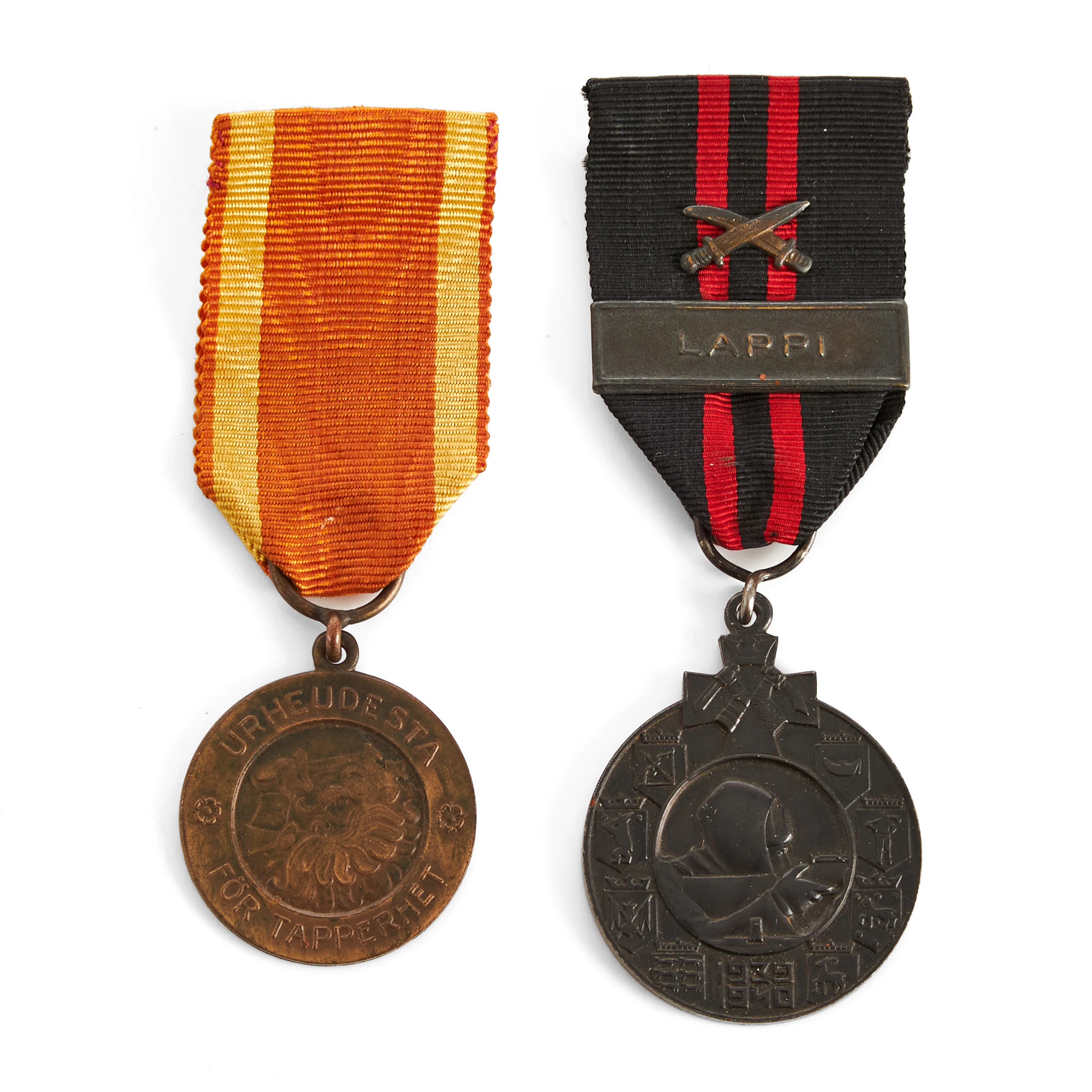
FINSKA MEDALJER. 2 st. Vinterkriget samt Frihetsmedalj (2:a klass).
10/15/2026
$67.59
Est: $80.12
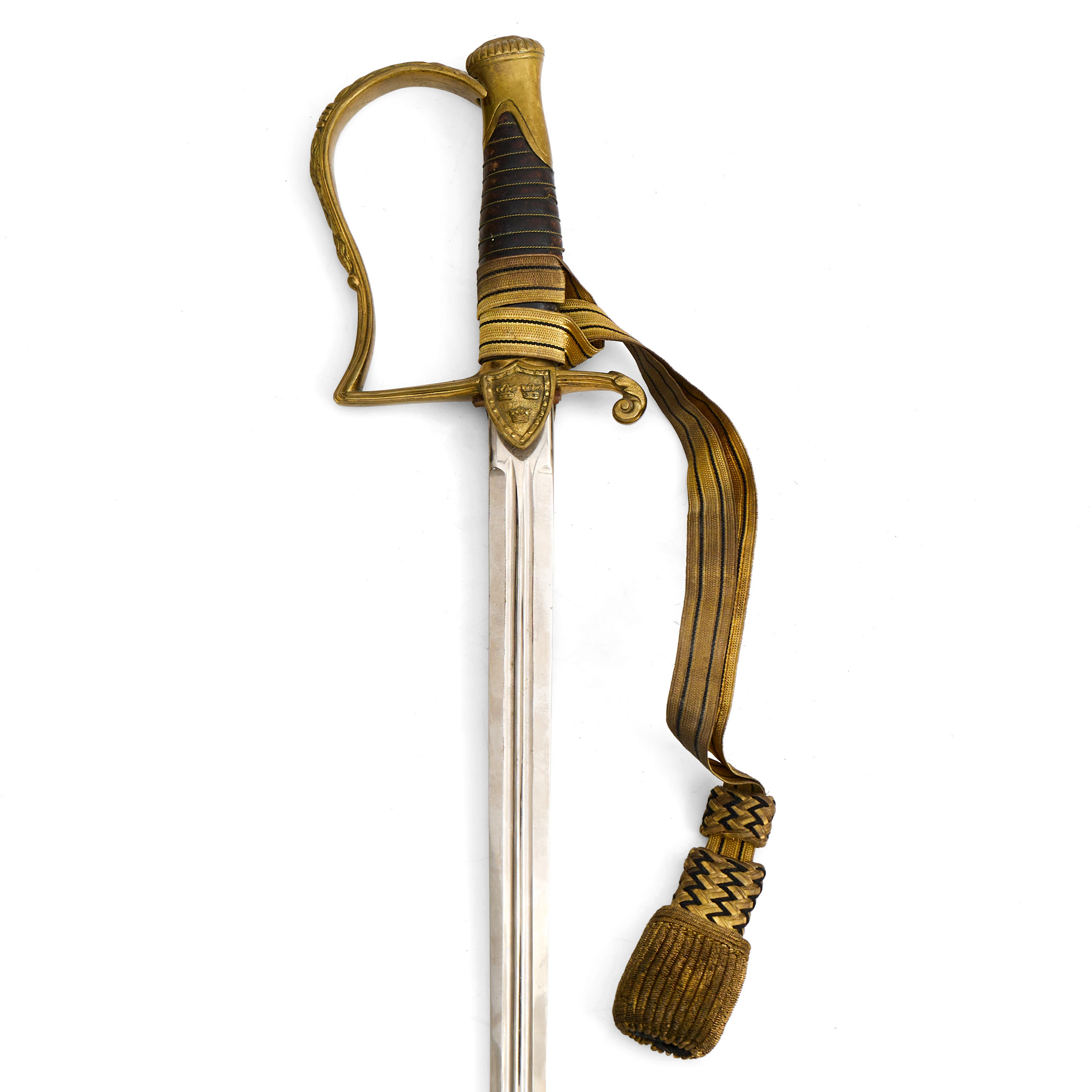
SABEL, svensk, m/1889, fäste med ägamonogram.
10/15/2026
$121.06
Est: $200.3
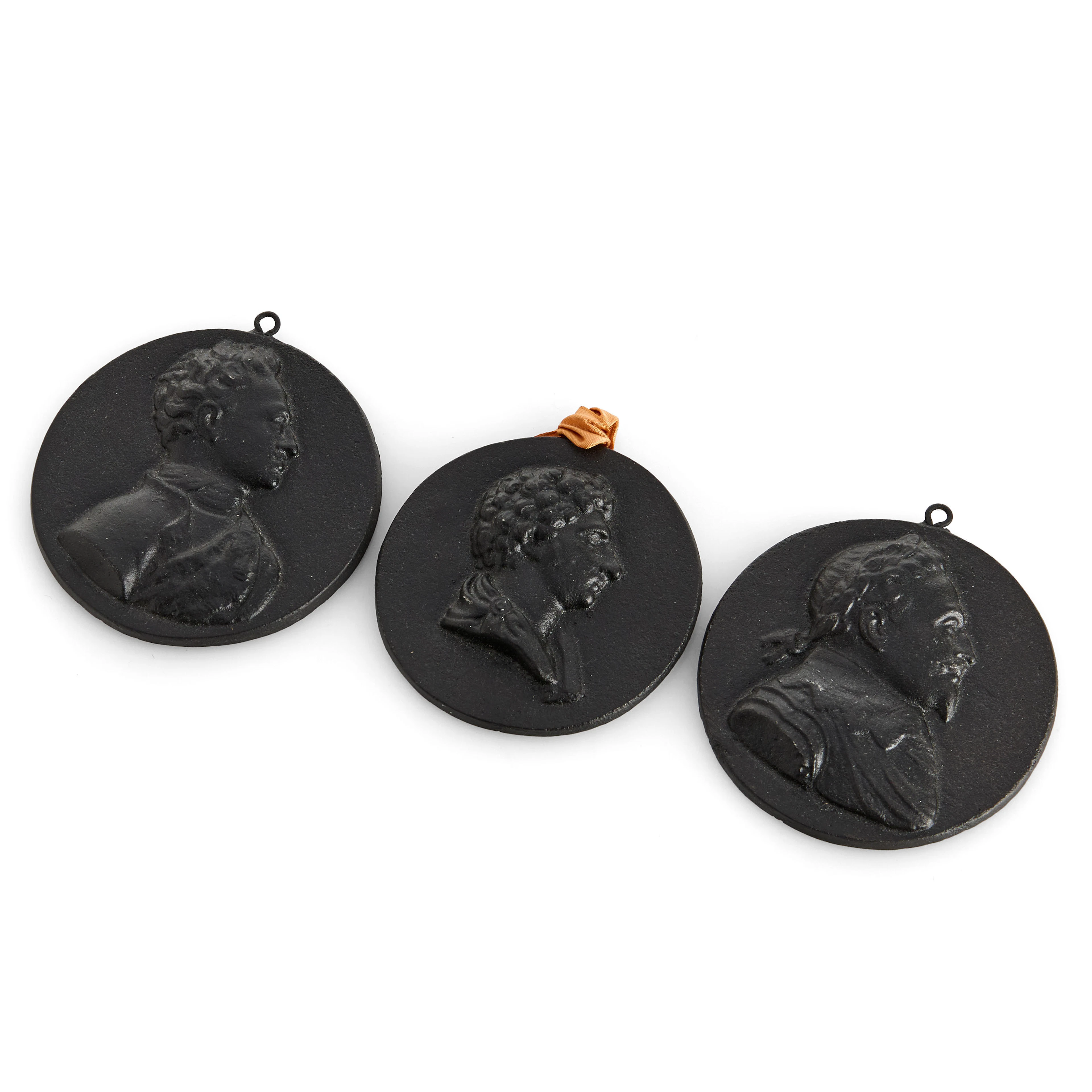
MEDALJER (3 st), Svenska konungar, (Gustav II Adolf, Karl XII och
10/15/2026
$30.26
Est: $80.12




OCT 17 | 10:00 PM
Bring your auction to collectors worldwide!
Get listed nowBy subscribing, you are agreeing to the privacy policy. Unsubscribe anytime.
Barnebys HQ
Brahegatan 10
BOX 5038
114 37 Stockholm
