



All auctions / Medals, Arms & Armor / Matsuo Bashō 松尾 芭蕉 - Signature

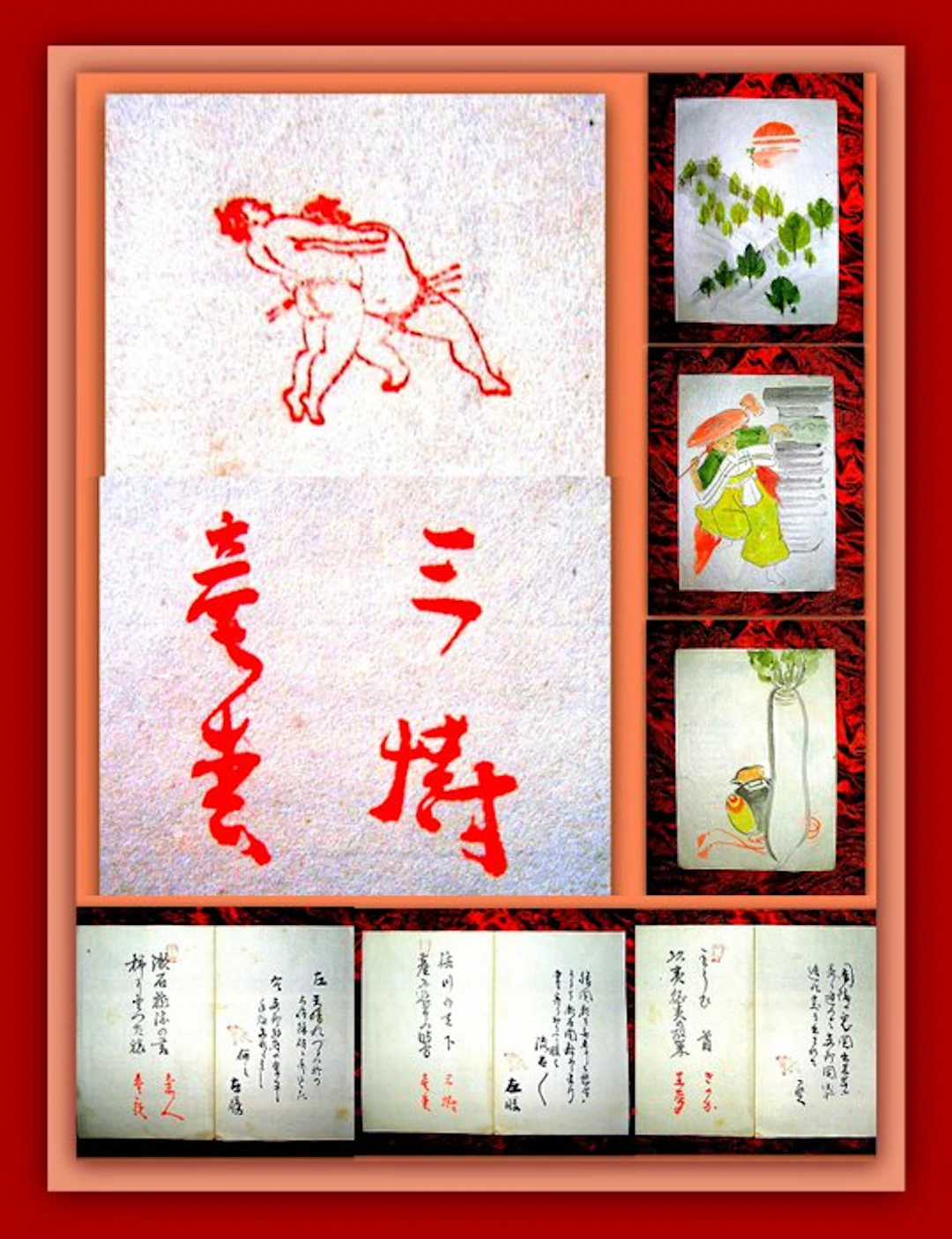
Matsuo Bashō 松尾 芭蕉 Oku no Hosomichi The Narrow Road to the Deep North Haiku poetry with haiga paintings and signature Kyoto, 1670-1690 Original signatures 3 folded sheets with haiga verses, haiku poetry and signatures + 2 sheets with hand-colored painting Unique piece on rice paper HAND-COLORED Size per double sheet: approx. 32.5 cm x 25 cm Size of double sheet with painting: 39 cm x 27 cm Size of sheet with painting: 27 cm x 19.5 cm Matsuo Bashō (jap. 松尾 芭蕉, Matsuo Bashō; born 1644 in Akasaka, Province of Iga (today: Akasaka, Ueno, Iga, Mie Prefecture); died 28 November 1694 in Osaka), actually Matsuo Munefusa (松尾 宗房), was a Japanese poet. He is regarded as a significant representative of the Japanese verse form haiku. Bashō and his students renewed the Haikai poetry that had been humorous and playful up to that point and elevated it to the rank of serious literature. Bashō was born into a low-ranking samurai family, whose world he resisted. Instead of pursuing the military career laid out for him, he became a wanderer who studied the path and history of Zen and turned to classical Chinese poetry. Bashō’s father died in 1656; it is possible that the 12-year-old Bashō was already in the service of Todo Yoshitada, a young relative of the ruling feudal lord, at that time. With him Bashō shared a passion for the Haikai no Renga, a form of alternating, collaborative poetry usually in 14 and 17 morae. With the sudden death of Yoshitada in 1666, Bashō’s service to the feudal lord ended and he presumably withdrew at age 22 into the solitude of a Buddhist monastery near Kyoto, where his earliest, still-preserved verses were created. From 1667 he presumably lived in Fukagawa near Edo (today Tokyo) with his friend Sugiyama Sampu, where he began composing haiku and immersing himself in poetry. Although Bashō’s verses appeared in 1667, 1669, and 1671 in different anthologies, biographical records of Bashō’s life largely end by 1676. In 1676 he, together with another poet in Edo, wrote a renku spanning several hundred verses. Bashō’s poetry soon attracted great attention in the Nihombashi literary circles. Subsequently he was taught by Kitamura Kigin (1624–1705). By 1680 he already had 20 pupils. You are bidding on these originals of haiku poetry with haiga painting, signature and woodblock seal. #japanweek
Estimate:$280.92
To the auctionView all items fromCatawikiorMedals, Arms & Armor
Estimate:
$280.92
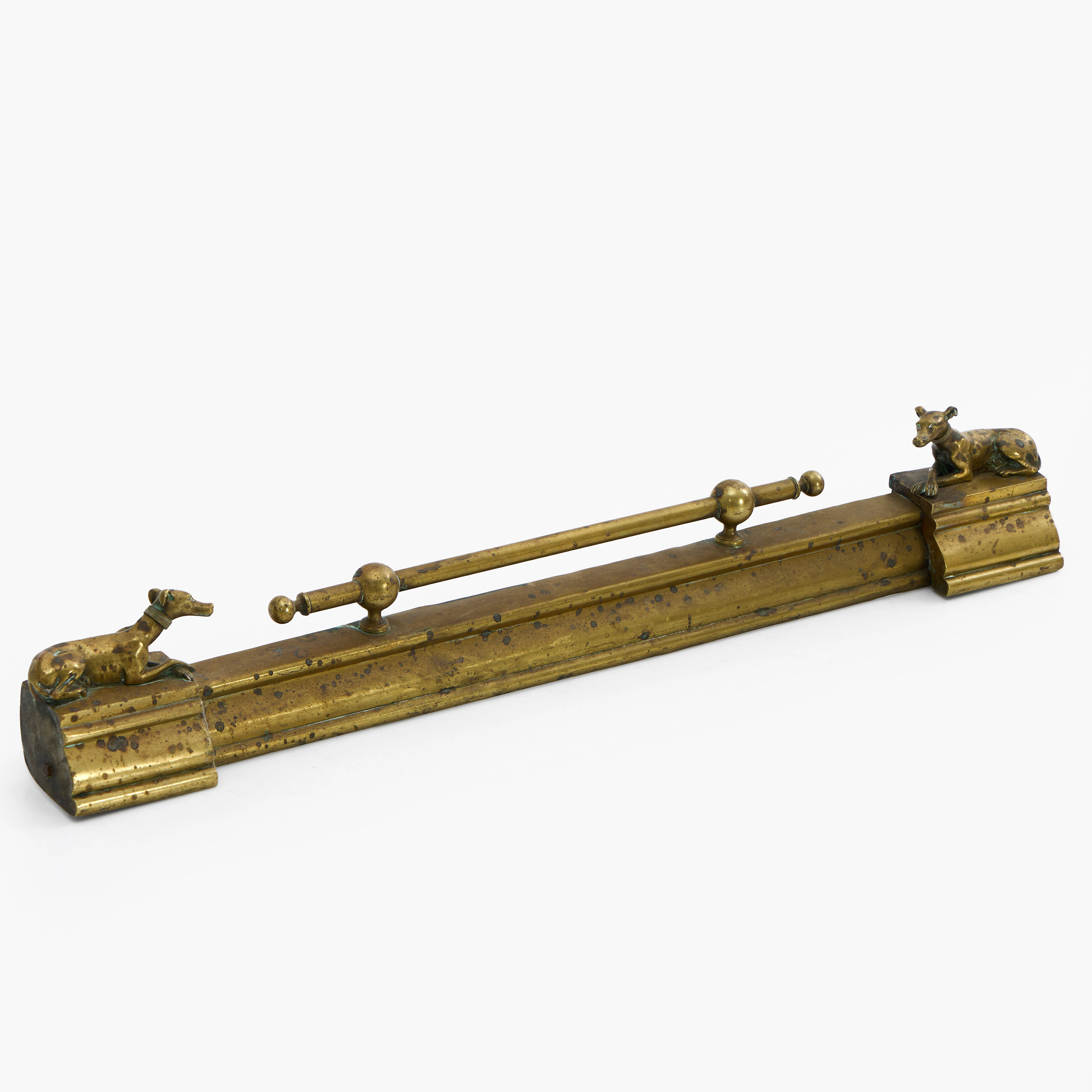
BRASSTÄLL, 1900-talets första hälft, dekor med hundar.
10/15/2026
$152.33
Est: $150.22
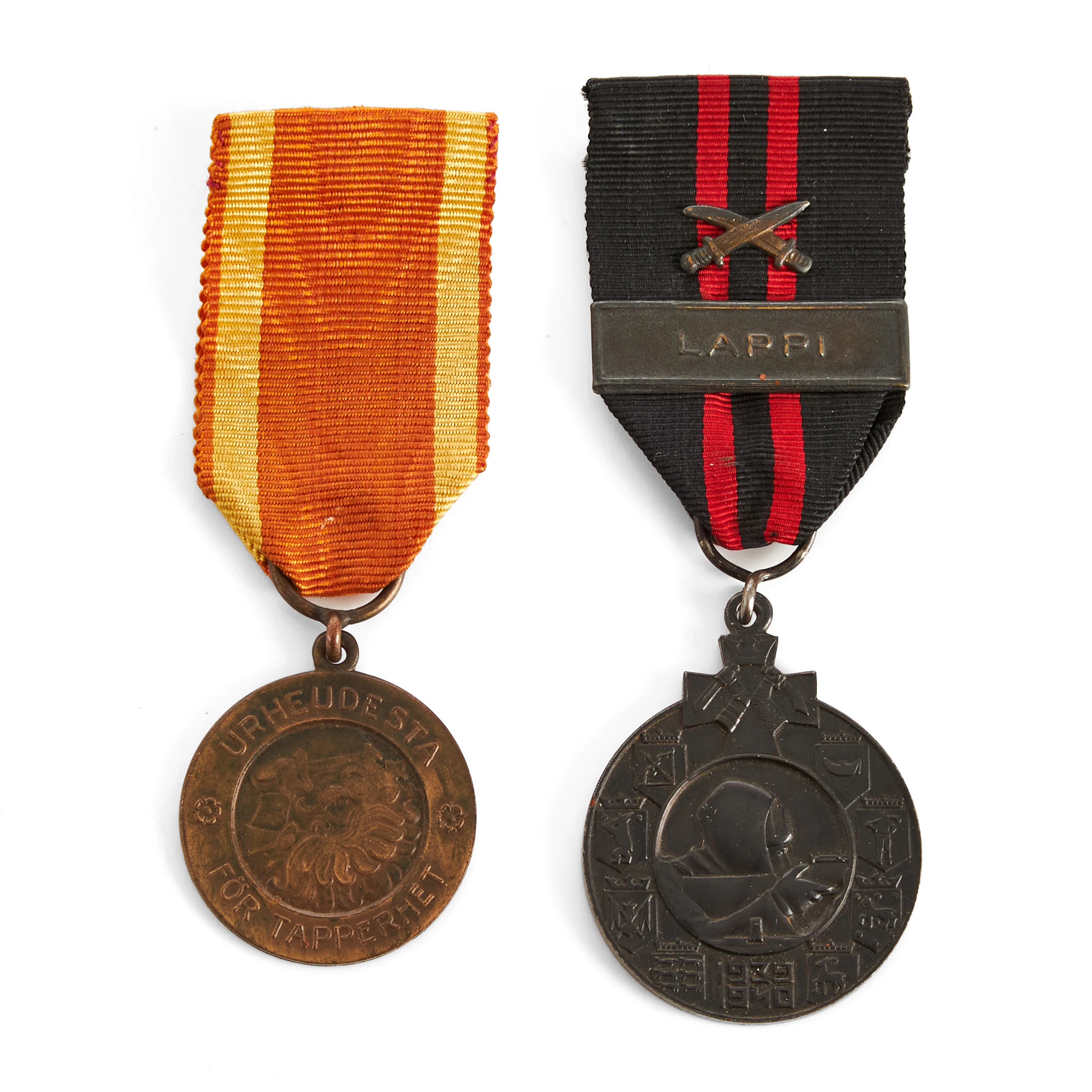
FINSKA MEDALJER. 2 st. Vinterkriget samt Frihetsmedalj (2:a klass).
10/15/2026
$67.59
Est: $80.12
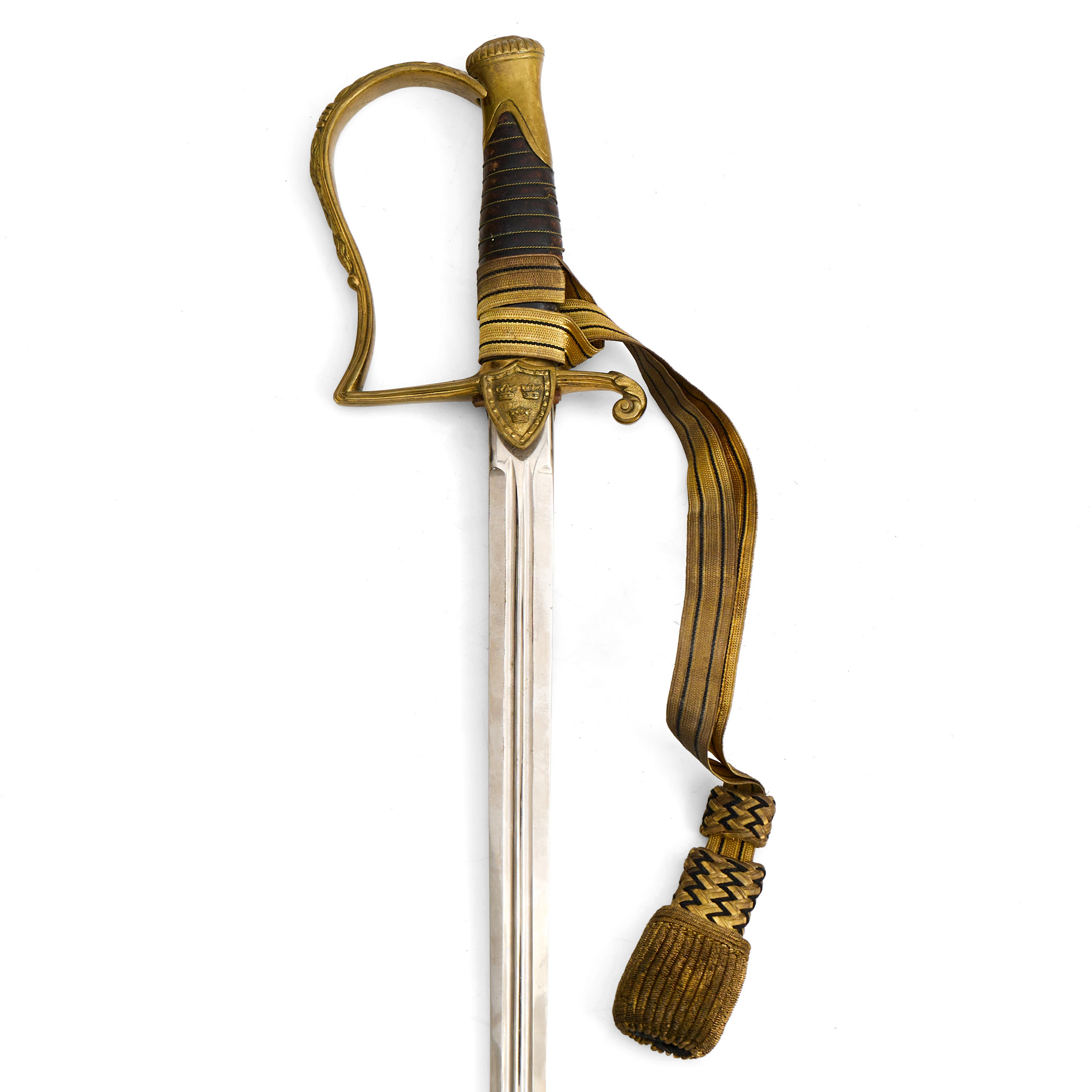
SABEL, svensk, m/1889, fäste med ägamonogram.
10/15/2026
$121.06
Est: $200.3
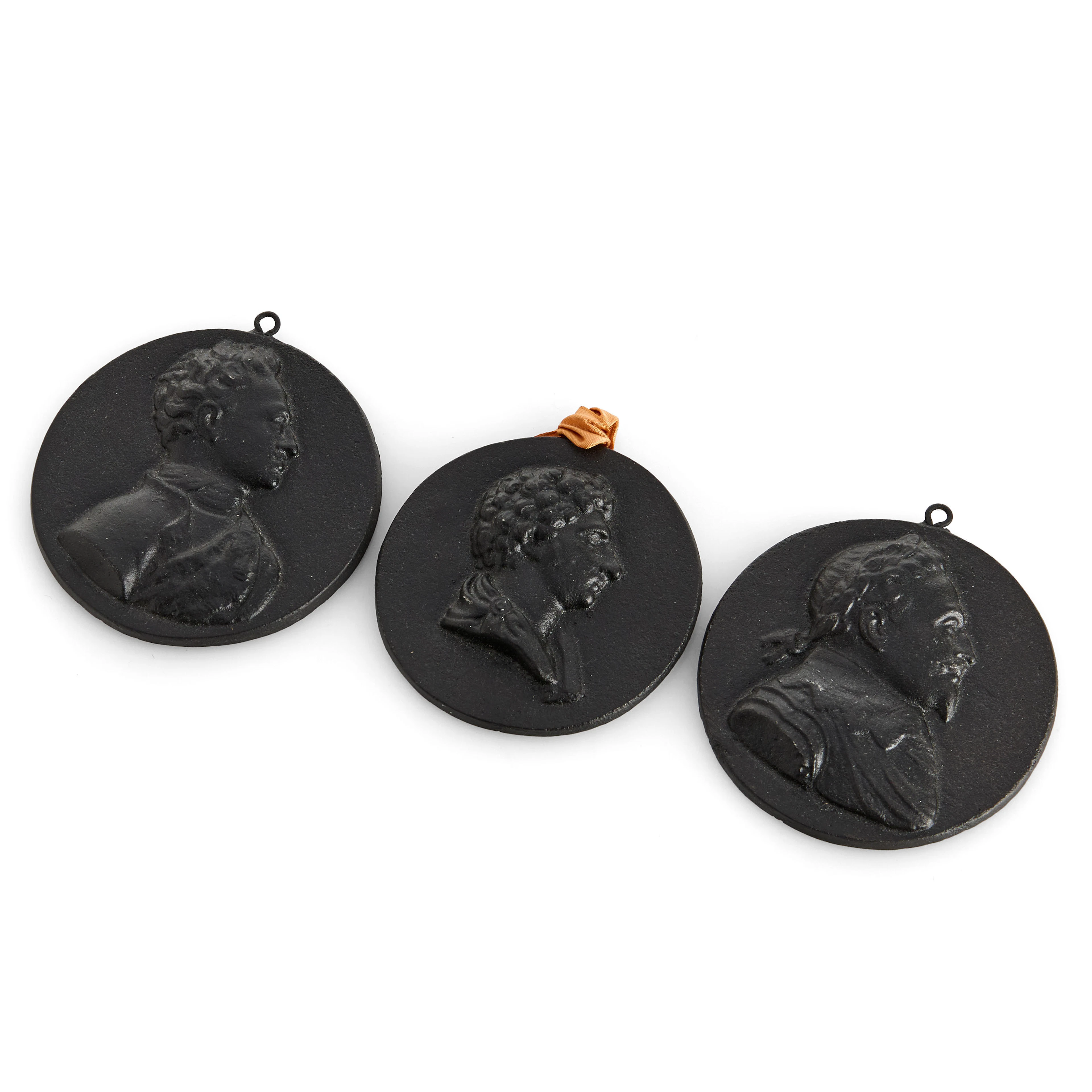
MEDALJER (3 st), Svenska konungar, (Gustav II Adolf, Karl XII och
10/15/2026
$30.26
Est: $80.12




OCT 17 | 10:00 PM
Bring your auction to collectors worldwide!
Get listed nowBy subscribing, you are agreeing to the privacy policy. Unsubscribe anytime.
Barnebys HQ
Brahegatan 10
BOX 5038
114 37 Stockholm
