





NOV 8 | 1:00 PM

All auctions / Books, Maps & Manuscripts / Juan Bonifacio - De Sapiente Fructuoso Epistolares - 1589

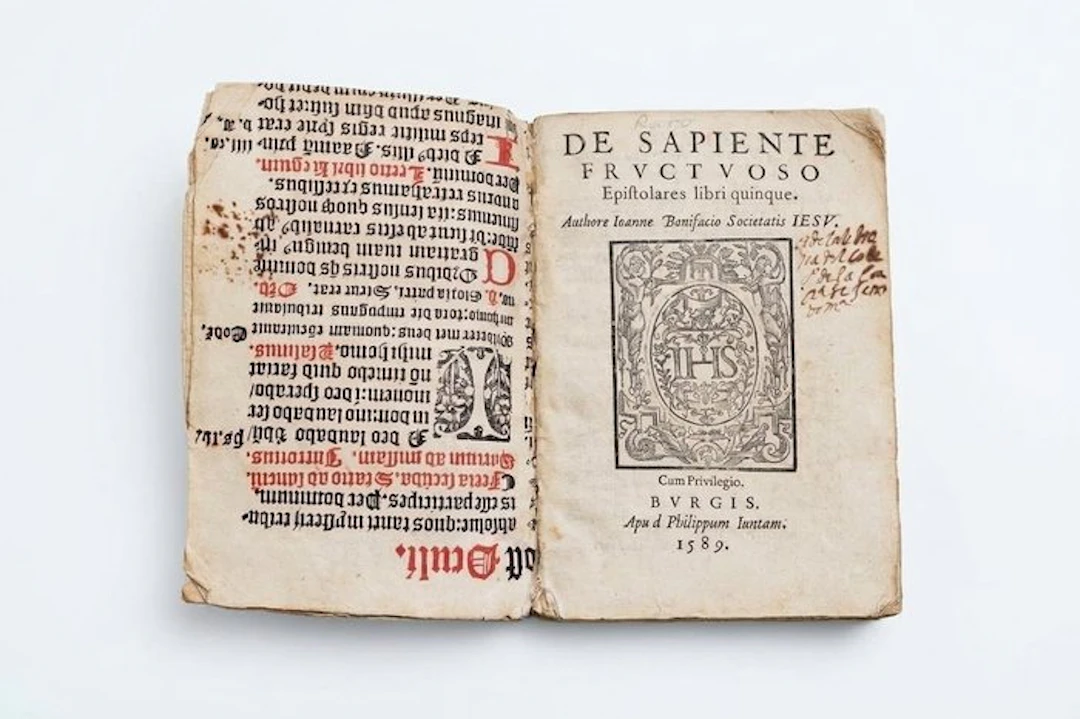
FIRST EDITION - BEFORE THE Ratio Studiorum: THE 37 LETTERS OF JESUIT PEDAGOGY First edition of a significant work of Renaissance pedagogical humanism of the Cinquecento, published in Burgos in 1589. The Spanish Jesuit Juan Bonifacio collects in 37 letters, distributed in five books, a vision of education founded on classical culture, virtue, and the shaping of character. A text that anticipates the codification of the educational principles of the Society of Jesus. The copy preserves a title page with a Jesuit woodcut emblem and an ancient handwritten annotation. Particularly evocative are the flyleaves cut from a previous Gothic book printed in two colors. De sapiente fructuoso is a collection of 37 Latin letters dedicated to wisdom, teaching, and the moral formation of the individual. Published in 1589, ten years before the definitive version of the Ratio Studiorum jesuitica, the work proposes an educational ideal in which learning is not merely a gathering of knowledge, but a path toward virtue. Bonifacio addresses the role of the teacher, the importance of example, and the need to combine eloquence, classical culture, and moral responsibility. The first edition constitutes a testimony to the Spanish humanistic culture of the Siglo de Oro and to the origins of modern Jesuit pedagogy. WHY TO BUY - FIRST EDITION OF 1589 of a significant pedagogical work by the Jesuit Juan Bonifacio. - 37 LETTERS IN FIVE BOOKS, dedicated to wisdom, education, and character formation. - PRECEDES THE RATIO STUDIORUM OF 1599, documenting the maturation of the educational ideals of the Society of Jesus. - BIBLIOGRAPHICAL DETAILS, with a Jesuit woodcut emblem, ancient handwritten note, and flyleaves recovered from a two-color Gothic book. MARKET VALUE Indicative market value: €400–600, depending on completeness, conservative condition, and collectors’ interest in the first edition. The particular flyleaves and provenance attest to additional material interest. CONDITION Contemporary marbled-paper boards. Flyleaves cut from recycled sheets from an ancient Gothic type book, printed in black and red. Title page with the Jesuit emblem and an ancient handwritten annotation. Marginal apostilles present. Small loss of paper at the corner of page 88, not affecting the text. Some browning and foxing compatible with age. Collation: pp. (2) + 4 prelims + 506 + 38 prelims + (4); total 554 pages. The printed pagination contains known errors in cataloged copies, to be distinguished from any missing leaves. In old books with a long history, a few imperfections may be present, not always noted in the description. This listing contains AI Visuals. Refer to the original photographs to verify the object’s actual condition. The images are an integral part of the description. FULL TITLE AND AUTHOR Juan Bonifacio (1538–1606). De sapiente fructuoso epistolares libri quinque. Burgis: Apud Philippum Iuntam, 1589. Prima edizione. Latin text. SIGNIFICANCE In Counter-Reformation Spain, Jesuit colleges became important centers for teaching classical letters, rhetoric, and moral philosophy. Juan Bonifacio was a key figure in this cultural transformation. In De sapiente fructuoso, the author develops the concept of a wisdom capable of producing concrete results in the life of the individual and the community. The 37 letters address three main issues: the dignity and responsibility of the teacher, the formation of character, and the value of example in learning virtue. The humanistic tradition of Cicero and Quintilian is thus reinterpreted in light of the spiritual and educational aims of the Society of Jesus. Published before the final arrangement of the Ratio Studiorum, the volume documents a pivotal moment in the evolution of European pedagogy, when literary education was conceived as a tool for intellectual and moral perfection. BRIEF BIOGRAPHY OF THE AUTHOR Juan Bonifacio (1538–1606), born in San Martín del Castañar, near Salamanca, was a Spanish Jesuit, humanist, educator, and playwright. He devoted much of his life to teaching grammar, rhetoric, and classical letters in the Society’s colleges. Convinced that the teacher should contribute to the integral formation of the person, he developed an educational model based on example, intellectual discipline, and moral growth. Among his main works are Christiani pueri institutio and De sapiente fructuoso. He died in Villagarcía de Campos in 1606. PRINTING HISTORY AND CIRCULATION The first edition of De sapiente fructuoso appeared in Burgos in 1589, at the press of Filippo Giunta, belonging to the famous family of printers of Florentine origin. The work was subsequently reprinted in Ingolstadt in 1606 and saw further dissemination in the German-speaking area in the 17th century. The presence of copies in the historical collections of Jesuit colleges and university institutions testifies to the interest the text aroused among religious and scholarly circles. The Burgos edition remains particularly significant for the history of pedagogy and Spanish humanistic culture. BIBLIOGRAPHY AND REFERENCES Palau, 32622; Fernández Valladares, 693; Catálogo Colectivo de Bibliotecas Españolas del siglo XVI, B 2048.
Estimate:$448.84
To the auctionView all items fromCatawikiorBooks, Maps & Manuscripts
Estimate:
$448.84
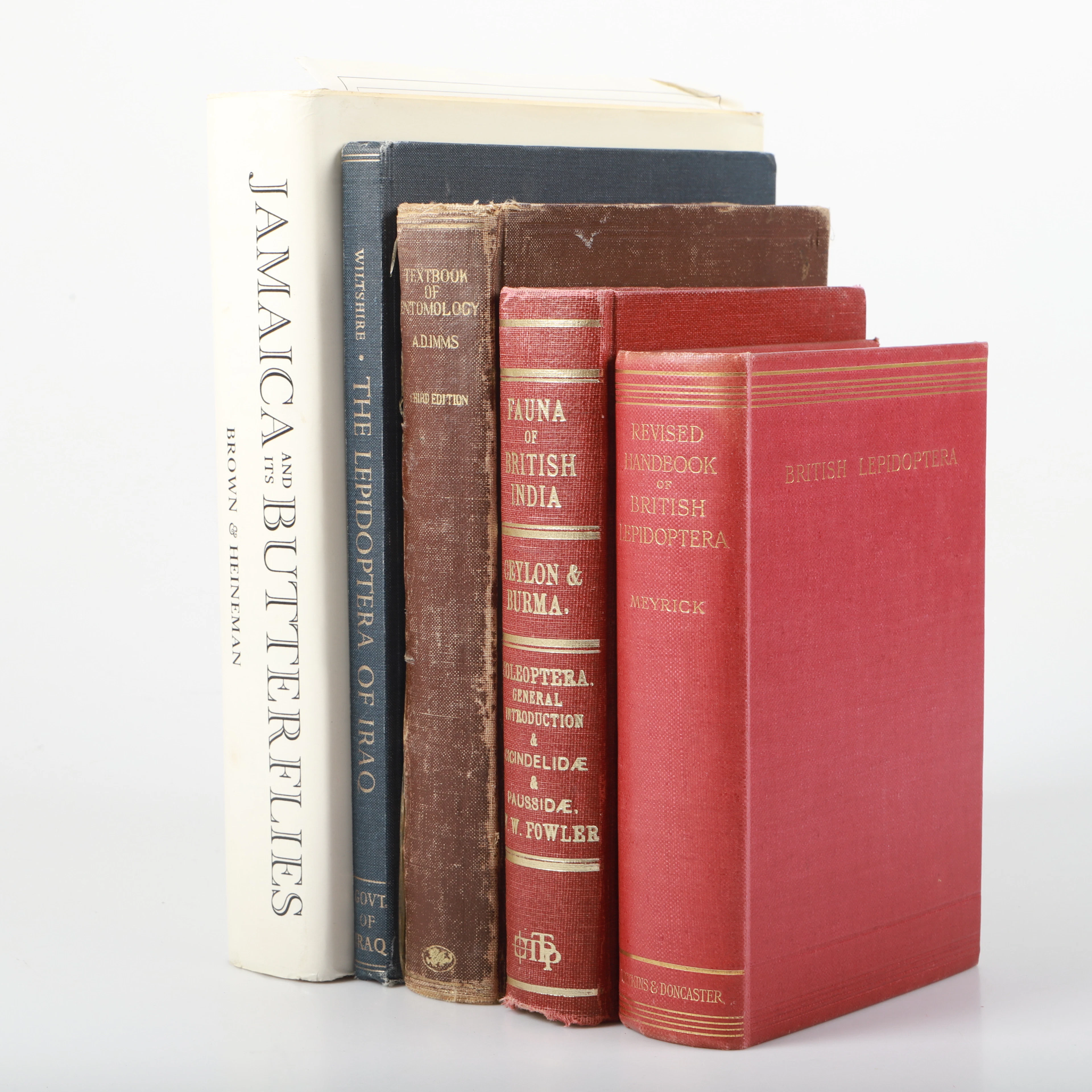
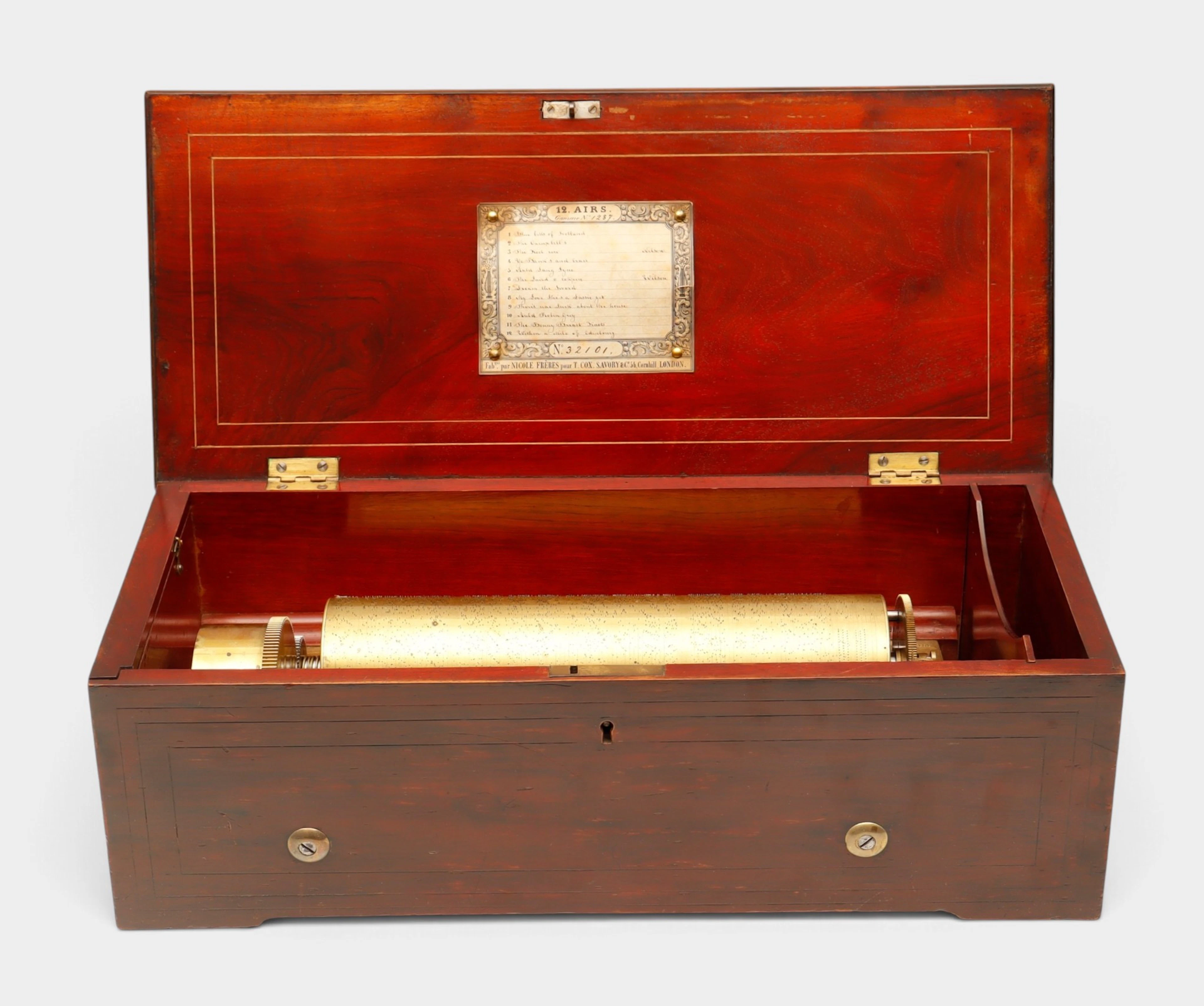
Caja de música suiza de doce canciones de Nicole Frères, hacia 1848-1852.
10/22/2026
$1,512.31
Est: $1,460.33
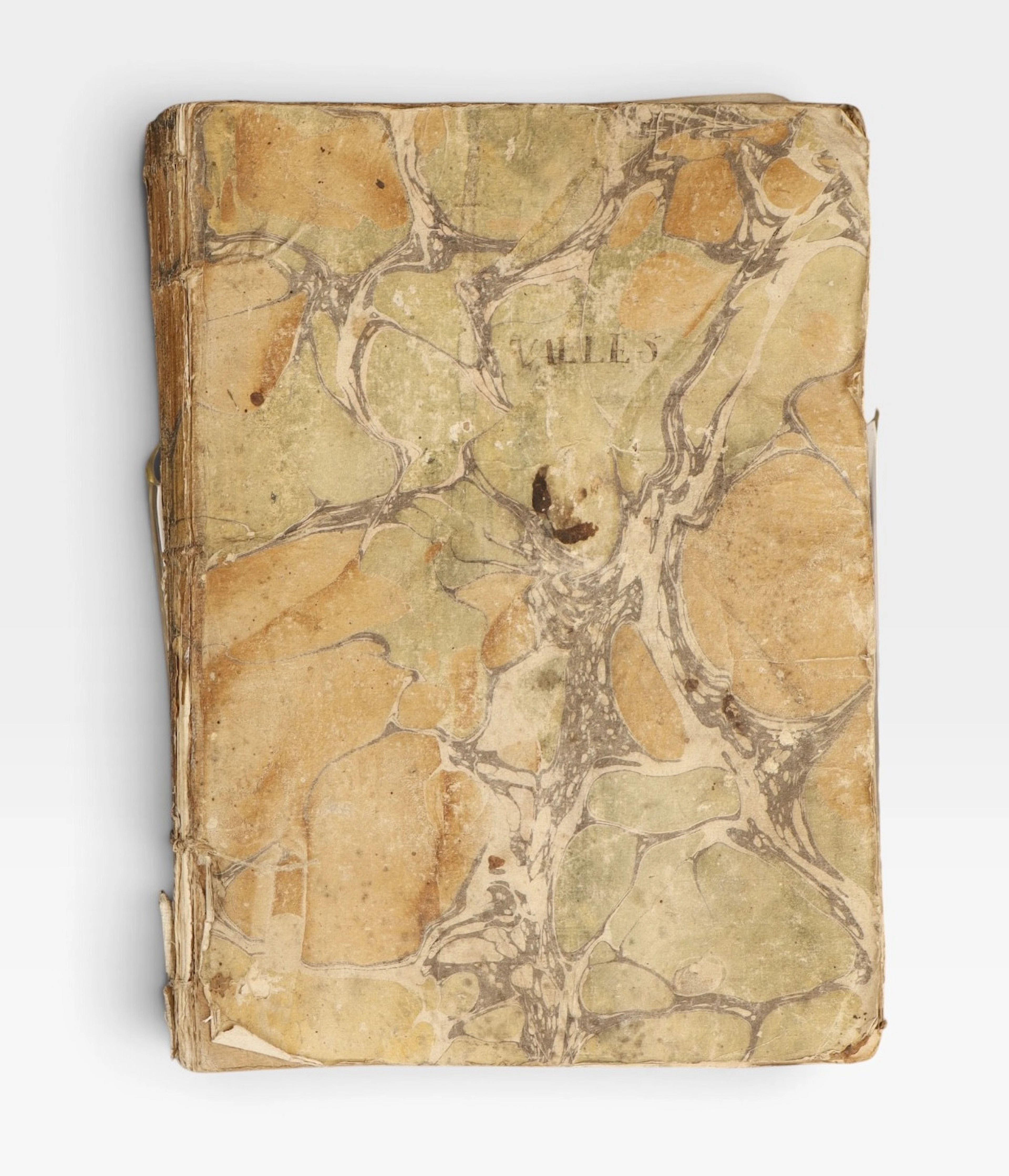
Guerra de la Independencia, Cataluña, 1808-1809.
10/22/2026
$145.63
Est: $157.63
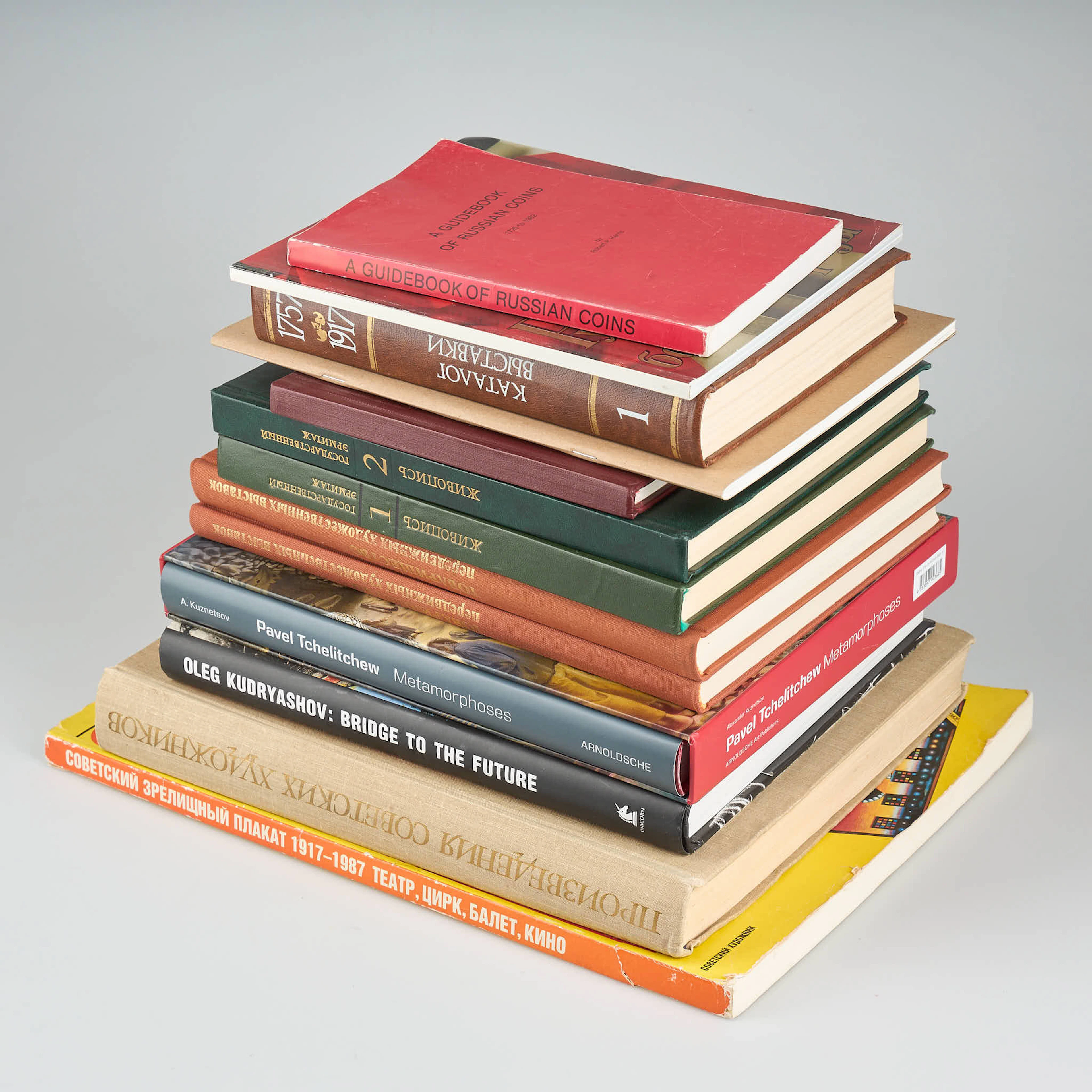
BÖCKER, 13 st, rysk/sovjetisk facklitteratur.
10/21/2026
$33.66
Est: $168.03
NOV 8 | 1:00 PM


OCT 31 | 4:00 PM


OCT 27 | 4:00 PM
Bring your auction to collectors worldwide!
Get listed nowBy subscribing, you are agreeing to the privacy policy. Unsubscribe anytime.
Barnebys HQ
Brahegatan 10
BOX 5038
114 37 Stockholm
