
Bring your auction to collectors worldwide!
Get listed nowBy subscribing, you are agreeing to the privacy policy. Unsubscribe anytime.
Barnebys HQ
Brahegatan 10
BOX 5038
114 37 Stockholm
All auctions / Miscellaneous / Joan Canós (1928-2025) - Bajo el gran árbol

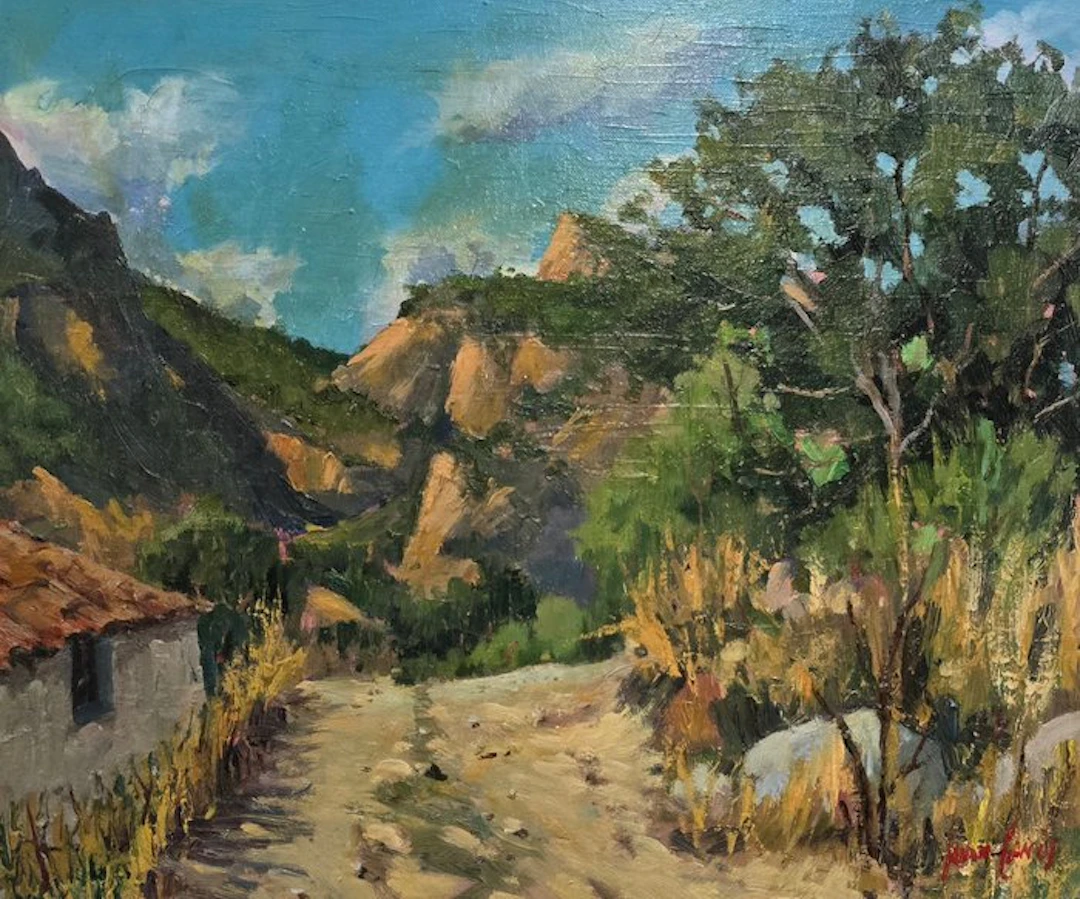
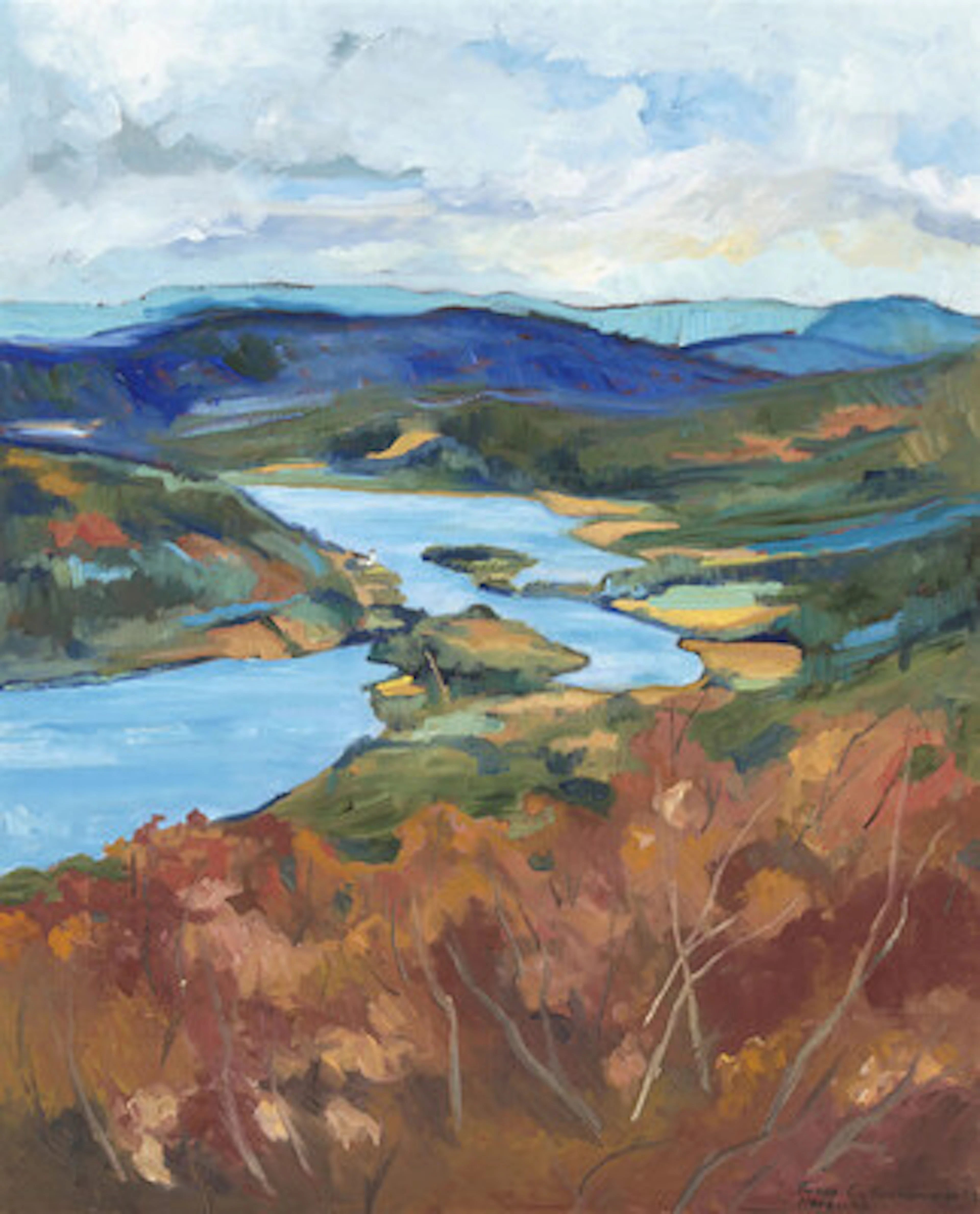
Pictura Subastas presents this magnificent artwork by Joan Canós, depicting a rural path that winds between mountains, trees, and vegetation as a symbol of travel, discovery, resilience, and harmony with nature. The painting stands out for its excellent technique and the high pictorial quality it conveys. · Dimensions of the work: 37.5x46x2 cm. · Oil on canvas hand-signed by the artist in the bottom right corner of the work. · The piece is in good conservation condition. The work comes from an exclusive private collection in Girona. Important note: the photographs included are an integral part of the lot description. Digital representation in a mockup is indicative; there may be differences from the actual article in color, scale, and details. The painting will be professionally packed by an IVEX expert (https://www.instagram.com/ivex.online/), using high-quality materials to guarantee its protection. The shipping price covers both the professional packaging cost and the transport itself. Shipping will be carried out by Correos, GLS or NACEX with tracking. International shipping is available. This painting presents a mountainous landscape full of light and vitality, organized around a dirt path that starts in the foreground and gradually winds into the vegetation. On both sides rise shrubs, grasses, trees, and rock formations in green, ochre, and dark tones, while a small building appears partially visible in the lower left corner. In the background, several slopes rise and overlap, guiding the gaze toward an intense blue sky pierced by clear clouds. The scene conveys the feeling of a warm, wild, and quiet natural environment, distant from large population centers. The path constitutes the main axis of the composition. It begins with considerable width at the bottom and gradually narrows as it moves toward the center. Its surface is made up of beige, yellow, ochre, brown, and small gray speckles. The irregularities suggest a dry earth trail worn by the passage of people, animals, or small vehicles. The journey is not perfectly straight but curves gently to the right before disappearing into the vegetation. This deviation arouses curiosity and makes the path an invitation to venture into the landscape. The viewer cannot know what lies beyond the curve, which introduces a discreet narrative dimension. The path seems to lead toward the slopes or perhaps a hidden dwelling. Along the path appear stones, shady areas, and small color variations that enrich its surface. Some spots are bright and convey the sense of being directly in the sun, while others are darkened by nearby vegetation. This alternation allows imagining intense light filtering through trees and bushes. The terrain feels warm, dry, and slightly dusty. In the center, the landscape is dominated by a rocky slope in ochre, brown, gray, and green tones. Its inclined surfaces are partly covered by vegetation. Some areas receive warm light that highlights the golden hues of the stone, while others remain in shadow. The mountain shows an irregular relief full of small unevenness. The central rock formations seem to rise among the vegetation as large broken planes. Their warm colors contrast with the surrounding greens and lead the eye into the scene. The illuminated zones suggest intense sun, probably high in the sky. The alternation between rock and plants demonstrates nature’s ability to occupy even the roughest terrains. Further up, a triangular orange-ochre shape stands out among the trees. It could correspond to a lighted rock, a small roof, or a wall partially hidden. Its presence introduces a touch of mystery, as it is not fully defined. This small warm accent draws the eye and makes one wonder about hidden constructions within the mountain. On the left side rises a dark and steep slope. Its blacks, deep greens, grays, and ochres contrast with the bright sky. The mountain descends diagonally toward the center and helps guide the eye toward the path. Some golden areas seem to correspond to rocks exposed to light. The depth of the landscape is built through the layering of several elevations. The nearest have intense colors and strong contrasts, while the farthest become softer and bluish. This transition allows imagining a wide territory that continues behind the visible slopes. The valley seems to open between the mountains and lead to an unknown distance. The sky occupies a generous band at the top and presents a bright turquoise blue. This hue adds freshness and contrasts with the earthy colors of the ground and the mountains. Some areas are lighter, while others turn slightly greenish or violet. The sky broadens the landscape and prevents the density of vegetation from feeling oppressive. Several white and grayish clouds are irregularly distributed. The most visible appears to the left, near the mountain, with soft outlines that seem to dissolve into the blue. Other smaller clouds are located in the center and top. Their presence introduces movement and suggests a bright day with a slightly changing atmosphere. Light plays an essential role in organizing the landscape. The illuminated areas of the path, rocks, and grasses contrast with the deep shadows of the trees and slopes. This alternation creates a dynamic visual journey and allows distinguishing numerous planes. The sun seems to fill the surroundings with warmth without eliminating the coolness of the sheltered areas. The color range combines warm and cool tones in a balanced way. The ochres, yellows, and browns of the earth and rocks coexist with the greens of the vegetation and the blues of the sky. Blacks and grays provide depth, while small pinks and reddish notes add unexpected touches. This richness of color conveys the diversity of a natural landscape in full summer. The composition has a strong sense of spontaneity. The bushes grow in different directions, rocks appear scattered, and the path adapts to the terrain’s irregularities. There is no rigid organization or dominant geometry. Everything seems to respond to the slow development of nature and human adaptation to the environment. The absence of human figures or animals reinforces the tranquility of the place. The small building and the path indicate human presence, but at that moment the landscape remains completely silent. One can imagine that its inhabitants are inside or working somewhere else in the valley. This momentary absence turns the scene into a pause within everyday life. The path can be interpreted as a symbol of travel, discovery, and the passage of time. Its course begins near the viewer and disappears into the vegetation, without revealing its destination. This uncertainty invites imagining a hike through the mountains or a return to a known place. The trail connects the visible space with what remains hidden. The small house represents refuge and adaptation. Its location beside the path and at the foot of the slopes shows a way of life closely tied to the land. In the face of the vastness of the mountains and sky, its size recalls human humility. Yet its permanence also demonstrates resilience and continuity. The large tree on the right can be understood as a symbol of strength and protection. Its roots seem deeply connected to the ground, while its branches reach toward the light. Though it has grown in a dry and rocky landscape, it preserves a lush canopy. Its presence suggests perseverance and adaptability. The work invites us to pause and contemplate the beauty of a seemingly simple corner. The path, the dry grasses, the stones, the tree, and the rural building form a scene of daily life, yet full of nuance. Each element contributes to transmitting the identity of the place. The landscape seems to preserve the memory of those who have walked and inhabited it. Overall, this painting presents a dirt road that winds into a mountainous landscape surrounded by vegetation, illuminated rocks, a small rural building, and a large tree dominating the right side. The blue sky and light clouds provide luminosity, while the greens, ochres, and browns convey the warmth of a rugged environment. The path symbolizes travel and discovery; the house, refuge and human presence; and the tree, resilience and continuity. The work celebrates the harmony between nature and rural life, showing a quiet place that invites walking, contemplation, and letting oneself be carried toward the unknown.
Estimate:$341.33
To the auctionView all items fromCatawikiorMiscellaneous
Estimate:
$341.33


Bring your auction to collectors worldwide!
Get listed now