


NOV 8 | 1:00 PM

All auctions / Arts & Graphics / Hollandse School (XIX) - Behouden (XXL) - No Reserve

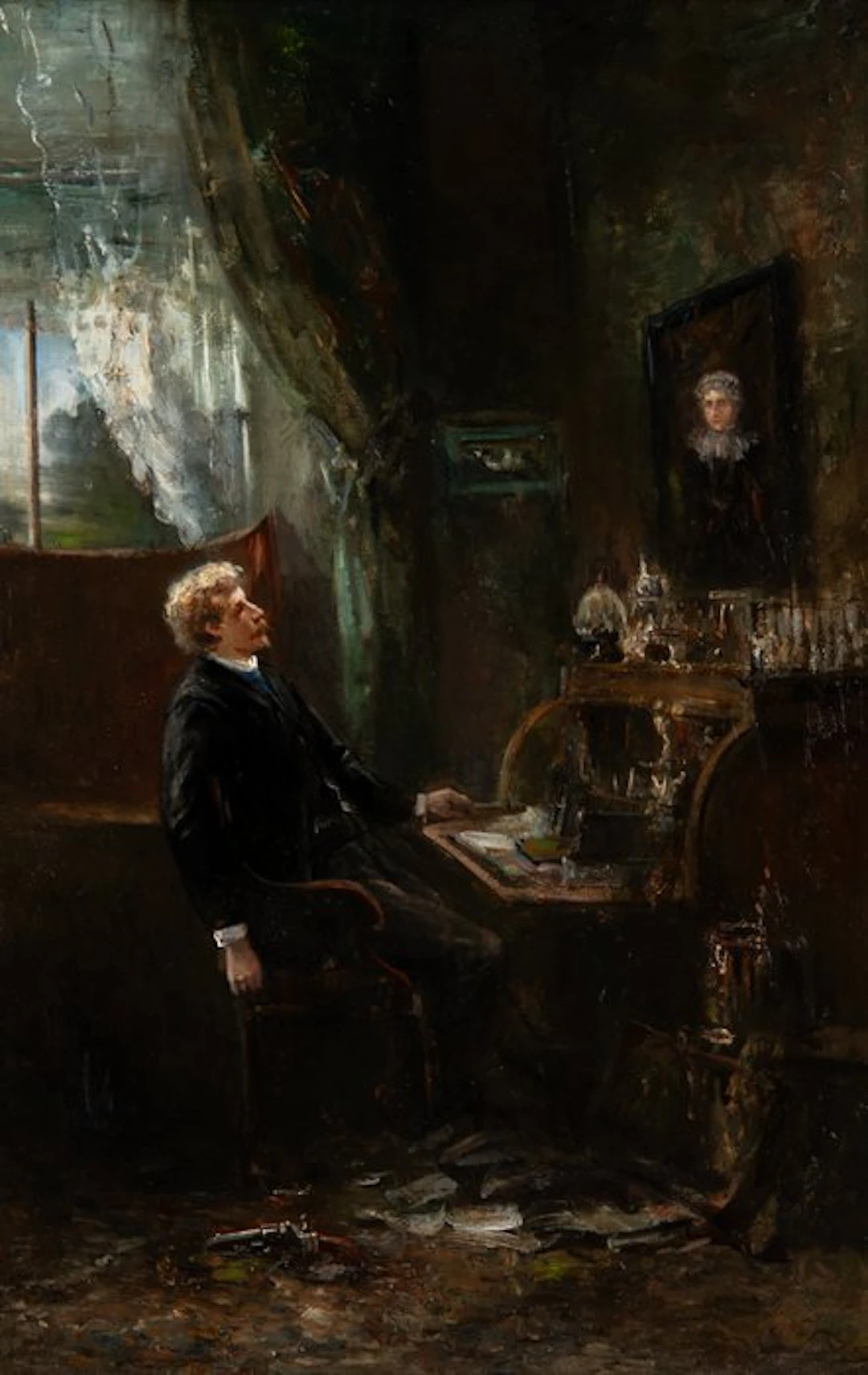
Credit: Dutch School (19th Century) Title: Preserved Medium and support: Oil on canvas Dimensions: 126 × 80 cm; with frame 160 × 113 cm Signature: Hand-signed bottom right, illegibly readable Provenance: Dutch art collection Dutch School (19th Century) is a geographic and chronological classification that encompasses diverse painting traditions. The term does not indicate a common training or workshop organization. Within 19th-century Dutch painting, the interior piece retained an independent position. Both contemporary and historicizing depictions linked the description of daily life with a narrative content. The Dutch genre tradition was continued in scenes in which posture, clothing, furniture, and objects together clarified a human situation. The Hague School developed from around 1860 among artists active in The Hague. In contrast to the idealization of Romantic painting, they proposed a realistic approach, with emphasis on light, atmosphere, and tonal relationships. The Dutch 17th-century painting and the French Barbizon School served as important reference points. In addition to landscapes, seascapes, and depictions of peasants and fishermen, this painting tradition included figure studies and interiors. At Jozef Israëls, human situations were given form through a harmony of muted light, dark interiors, and a loose brushwork. These painting principles provide a relevant background for Preserved. Object description In a dark interior, a man sits in an armchair beside an open secretaire. His body reclines; the head is turned upward and to the right, toward a framed portrait of a woman on the wall. One hand rests on the writing surface, while the other hangs by his side. He wears dark clothing with a white collar and light cuffs. The woman in the portrait is also dressed in dark clothing and has a light collar. To the left there is a window with a translucent curtain and a heavier, drawn-aside curtain fabric. On the secretaire are small objects and papers and books lie on and around it. On the floor lie scattered sheets, an open book, and a revolver. In the foreground on the right sits an open case. The interior is predominantly rendered in brown and olive-green tones, with reddish-brown accents and lighter passages around the window, the faces, and the papers. The frame bears the inscription Preserved in the middle-bottom. Technique and material analysis The oil brushwork shows a contrast between broad, smeared passages and shorter, discrete brushstrokes. In the dark wall and clothing areas, forms are largely built up by tonal differences. The floor, furniture, and curtains contain directional brushstrokes. The light passages in the curtain, the papers, and the open book have a localized impasto with recognizable brush marks. Small light touches articulate edges, folds, and reflections, while other contours in the dark surroundings fade. UV fluorescence and infrared reflectography document retouchings within the existing composition. These material interventions are part of the painting’s conservation history. Composition and formal analysis The composition is asymmetrically organized within a vertical format. The man occupies the left half of the lower image field; the secretaire and the portrait form a counterweight on the right. His gaze creates a rising connection between the two figures. The expansive dark wall area above the man increases the distance to the portrait and gives space to this gaze relationship within the scene. The window forms the largest light area. Smaller accents on the face, the cuffs, the writing surface, and the objects on the floor distribute light across the composition. The revolver and the light papers draw attention to the foreground. The diagonal edges of the writing surface, the books, and the case reinforce the spatial effect. Brown and green tonal values connect figure and interior; white and bluish-gray touches at the window and on the papers provide local contrasts. Stylistic and art-historical context Preserved aligns with the 19th-century narrative interior piece, in which objects and figure postures carry part of the content. Within this visual tradition, a domestic space could function as a site of personal or social conflict. The scene concentrates the narration around one seated figure and his relation to a depicted person. The scattered papers, the opened case, and the revolver give the restrained situation a narrative tension. The title Preserved directs the interpretation of these motifs toward the concept of preservation/retention. The dark tonal structure, the locally falling light, and the visible brushwork align with the painterly approach of the Hague School. At the same time, the recognizability of figures and attributes remains decisive for the content. The loose brushwork serves both the lighting and the indication of individual objects. In this way the work links realistic figuration and an impressionistic paint handling with the tradition of the staged genre scene. Comparable artists Jozef Israëls, David Bles, William Quiller Orchardson, Ludwig Knaus Condition The canvas has an old varnish layer. The paint layer shows craquelure and retouchings. The heavy, gold-colored ornamental frame is likely original and shows age and use marks and signs of repair. Recently cleaned and provided with a new sealing layer. Conclusion Within the Hollandse School (19th Century) classification, Preserved combines a narrative interior theme with realistic figuration, a dark tonal structure, and loose brushwork that aligns with the Hague School. The old varnish, craquelure, and retouchings characterize the painting’s material condition. The work "Preserved" sits in a gilded monumental antique wooden frame with plaster ornaments Total dimensions: 160 × 113 cm Medium dimensions: 126 × 80 cm Pickup only or transport via quote (chat/website) possible The customer is responsible for any import duties and additional costs that may apply when delivering abroad
Estimate:$2,800.58
To the auctionView all items fromCatawikiorArts & Graphics
Estimate:
$2,800.58
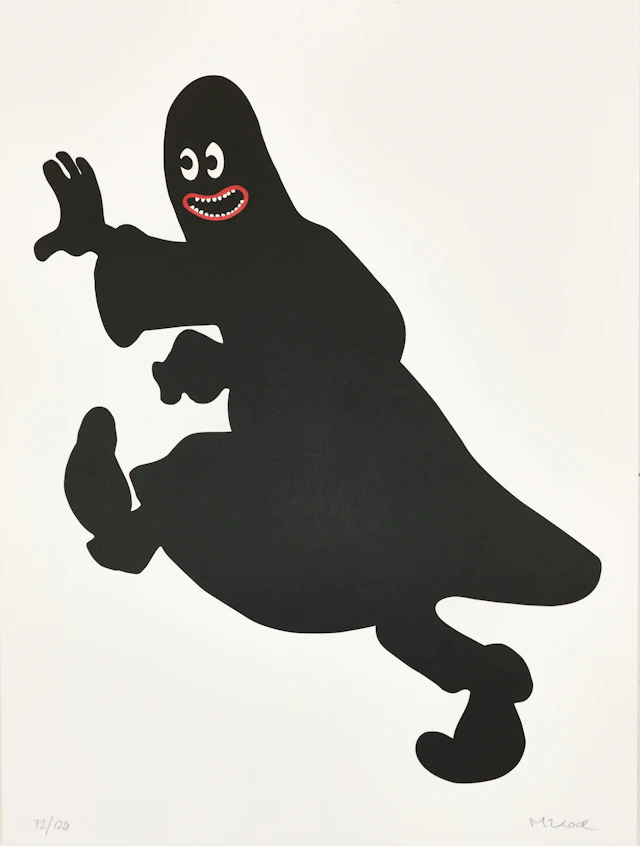
MAKODE LINDE (Sverige, född 1981). "Phantom Blot", signerad och numrerad
10/23/2026
$147.1
Est: $252.33
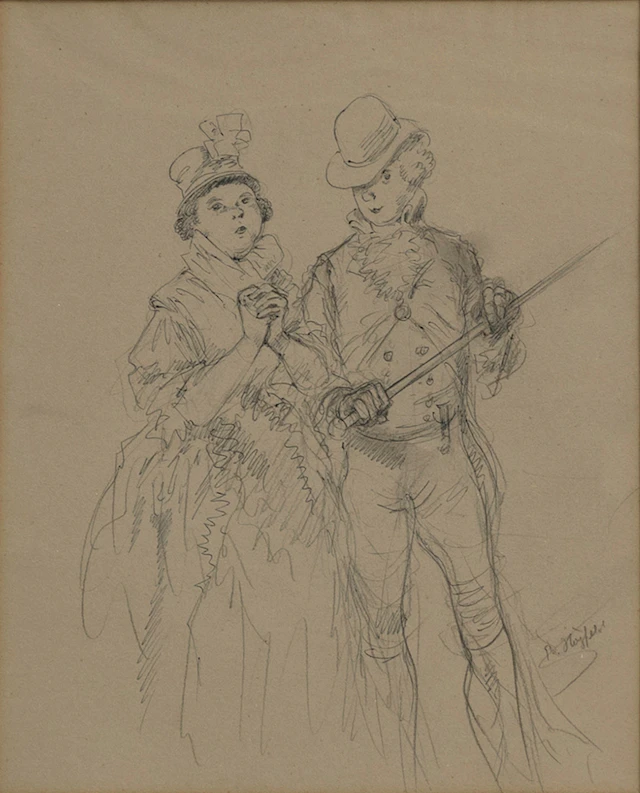
ROBERT HÖGFELDT. Komposition, blyertsteckning, signerad.
10/23/2026
$35.24
Est: $100.93
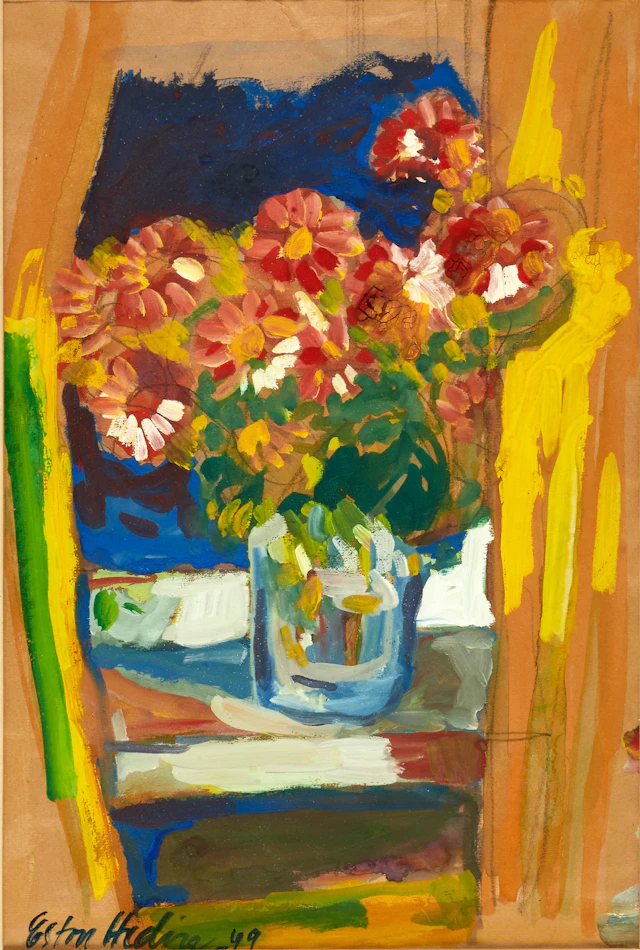
OIDENTIFIERAD KONSTNÄR. Blomsterstilleben, signerad och daterad -49, gouache.
10/23/2026
$30.2
Est: $80.7
NOV 8 | 1:00 PM


OCT 31 | 4:00 PM


OCT 27 | 4:00 PM
Bring your auction to collectors worldwide!
Get listed nowBy subscribing, you are agreeing to the privacy policy. Unsubscribe anytime.
Barnebys HQ
Brahegatan 10
BOX 5038
114 37 Stockholm
