


All auctions / Coins & Banknotes / Crusader states

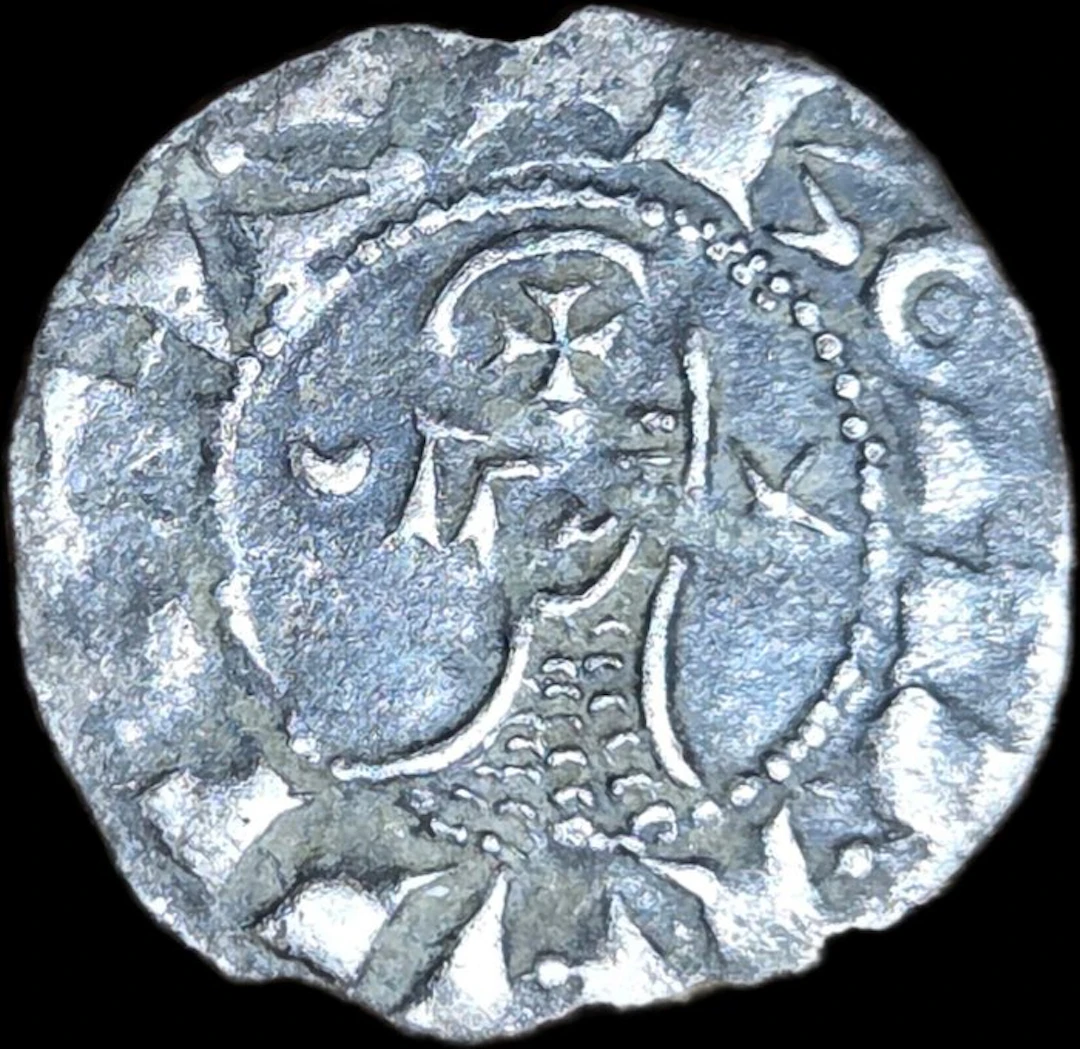
Medieval. CRUSADERS.Antioch.Bohemund III.(1162-1201).BI Denier. Obv : +BOAMVNDVS. Profile bust with crescent left and star right. Rev : +ANTIOCHIA. Small cross with crescent in first angle. Metcalf S.125ff. Material : Billon Silver Weight : 0.75 gr Diameter : 16 mm Bohemond III, also known as Bohemond the Stammerer, was the ruler of the Principality of Antioch from 1163 until his death in 1201. He played a key role during the period of the Crusader states, a time when European powers had established several principalities and kingdoms in the Middle East following the First Crusade. Bohemond III is a fascinating figure not only for his military actions but also for his role in navigating the intricate political landscape of the Levant during a period of continuous conflict with both Muslim powers and neighboring Christian rulers. Bohemond III was born around 1144, the son of Constance of Antioch and Raymond of Poitiers. He inherited the principality from his mother, though his early rule was marked by challenges to his authority, including the ambitions of his cousin Reynald of Châtillon, who had married Constance and attempted to control Antioch. After Reynald's capture by Muslim forces in 1160, Bohemond was able to consolidate his control over the principality. As ruler, Bohemond III faced the continuous threat of Muslim powers, particularly the Zengids and later Saladin, who sought to drive the Crusaders out of the region. Antioch’s strategic location in northern Syria made it a frequent target for Muslim forces. Bohemond, however, managed to retain control of the city, often through alliances with neighboring Crusader states like the Kingdom of Jerusalem and the County of Tripoli, as well as through occasional truces with Muslim leaders. One of the most significant events of Bohemond’s reign was his participation in the Battle of Hattin in 1187. This battle was a disastrous defeat for the Crusaders, leading to the fall of Jerusalem and the weakening of Crusader power in the Holy Land. Although Antioch was not directly affected by this defeat, the loss of Jerusalem shifted the balance of power in the region, forcing Bohemond to adapt to a new political reality. Following Hattin, Saladin captured many Crusader strongholds, and Antioch itself faced increased pressure from Muslim forces. Bohemond III was also involved in internal conflicts among the Crusaders, particularly disputes over succession and control of the principality. His rule was marked by tension with the Latin Patriarch of Antioch and internal family strife, especially regarding his sons Bohemond IV and Raymond. Raymond, who was the son of Bohemond III's first marriage to Orguilleuse of Harenc, aligned himself with the Byzantine Empire and sought to challenge his father's authority. In addition to these internal disputes, Bohemond faced challenges from the Armenian Kingdom of Cilicia, which lay to the north of Antioch. The Armenians, under their king Leo II, were expanding their influence in the region, leading to conflicts with Antioch. In 1194, Leo II captured Bohemond III and held him prisoner for several months. After being released, Bohemond was forced to make concessions to the Armenians, further complicating the political situation in the region. Despite these challenges, Bohemond III maintained control over Antioch until his death in 1201. His reign was one of resilience, as he managed to hold onto his principality through military strength, diplomacy, and careful political maneuvering. Bohemond III’s death, however, led to a succession crisis between his two sons, Bohemond IV and Raymond, which would result in further instability for the principality. Bohemond III’s legacy is closely tied to the broader history of the Crusader states, particularly the fragile nature of these Christian enclaves in a predominantly Muslim region. His ability to maintain Antioch’s independence despite external threats and internal challenges was a testament to his skill as a ruler. However, the challenges faced by Bohemond III also highlight the precarious position of the Crusader states, constantly caught between rival Christian factions and powerful Muslim dynasties. The fall of Jerusalem during his reign marked the beginning of the end for Crusader dominance in the Holy Land, and although Antioch would survive for another century, it too would eventually fall to Muslim forces. Bohemond III remains a key figure in the history of the Crusades, representing both the successes and the limitations of the Crusader states in their efforts to establish lasting Christian rule in the Middle East. His ability to navigate the complex political and military landscape of the 12th century ensured the survival of Antioch during a time of great upheaval, but his reign also illustrated the inherent difficulties in maintaining control over a fragile and fragmented territory.
Estimate:$1.12
To the auctionView all items fromCatawikiorCoins & Banknotes
Estimate:
$1.12

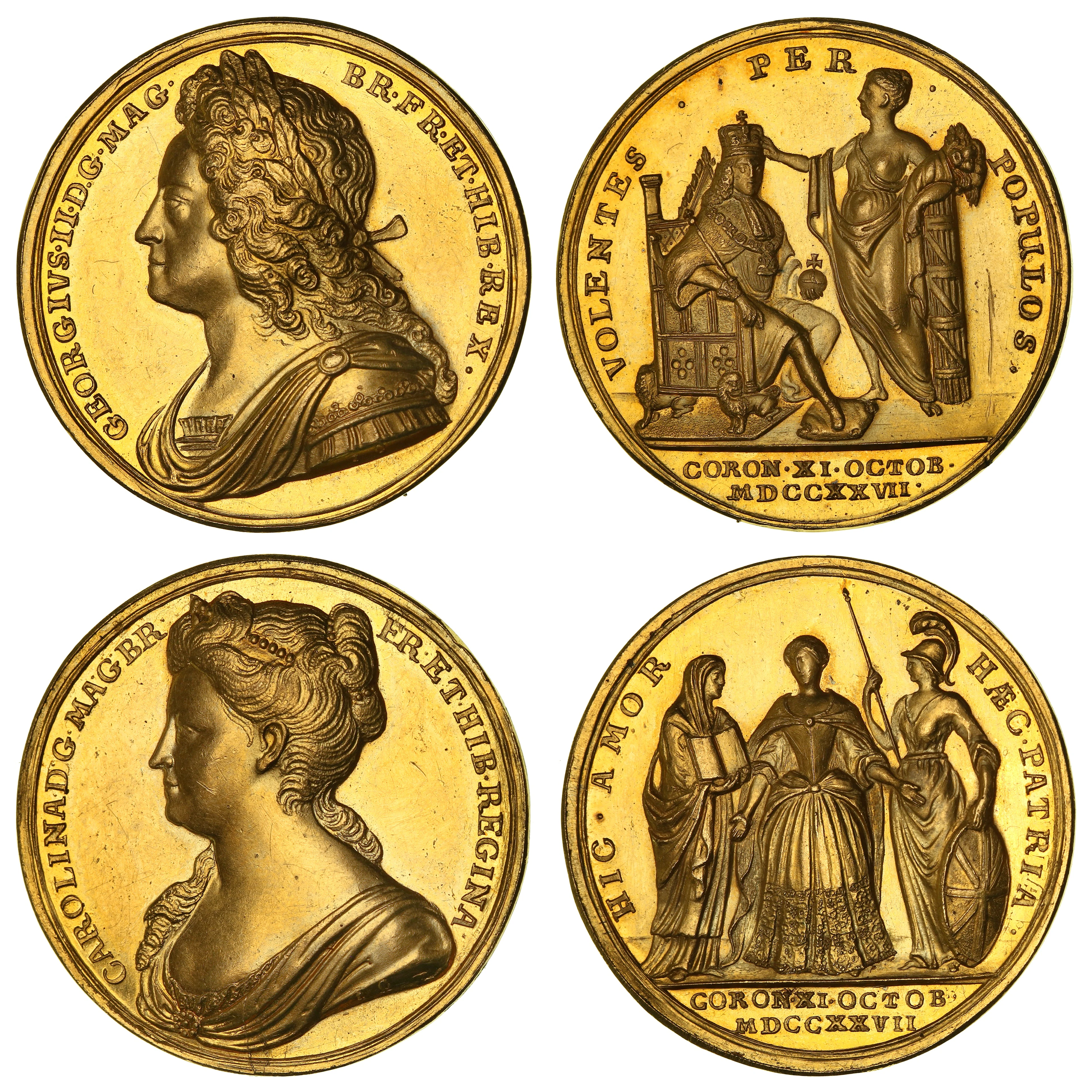
George II and Caroline, Official Presentation Pair of Gold Coronation
10/08/2026
$18,514.83
Est: $7,945.49
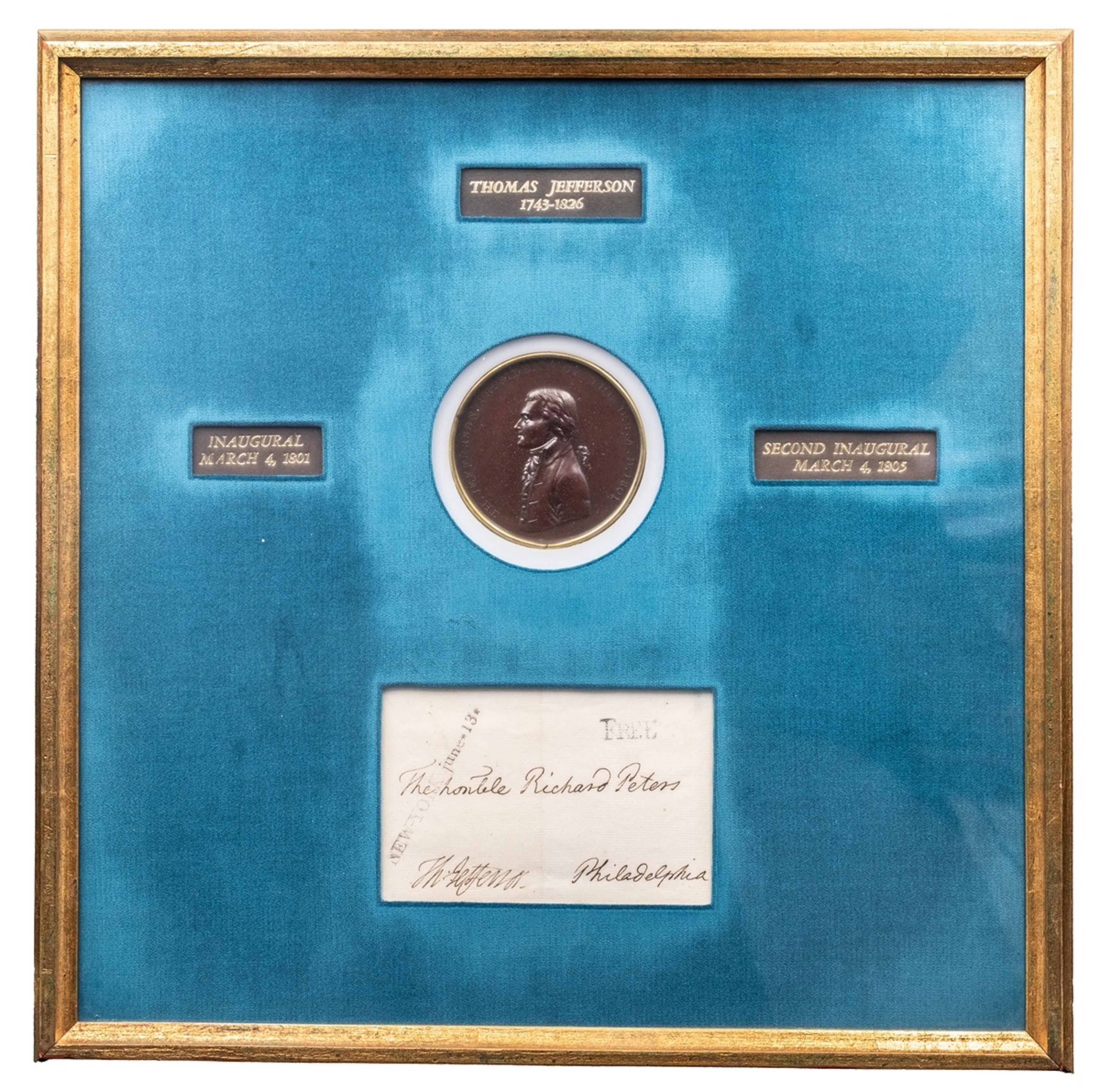
Commanders-in-Chief, THOMAS JEFFERSON, 3rd President of the United
07/30/2026
$3,800
Est: $1,000
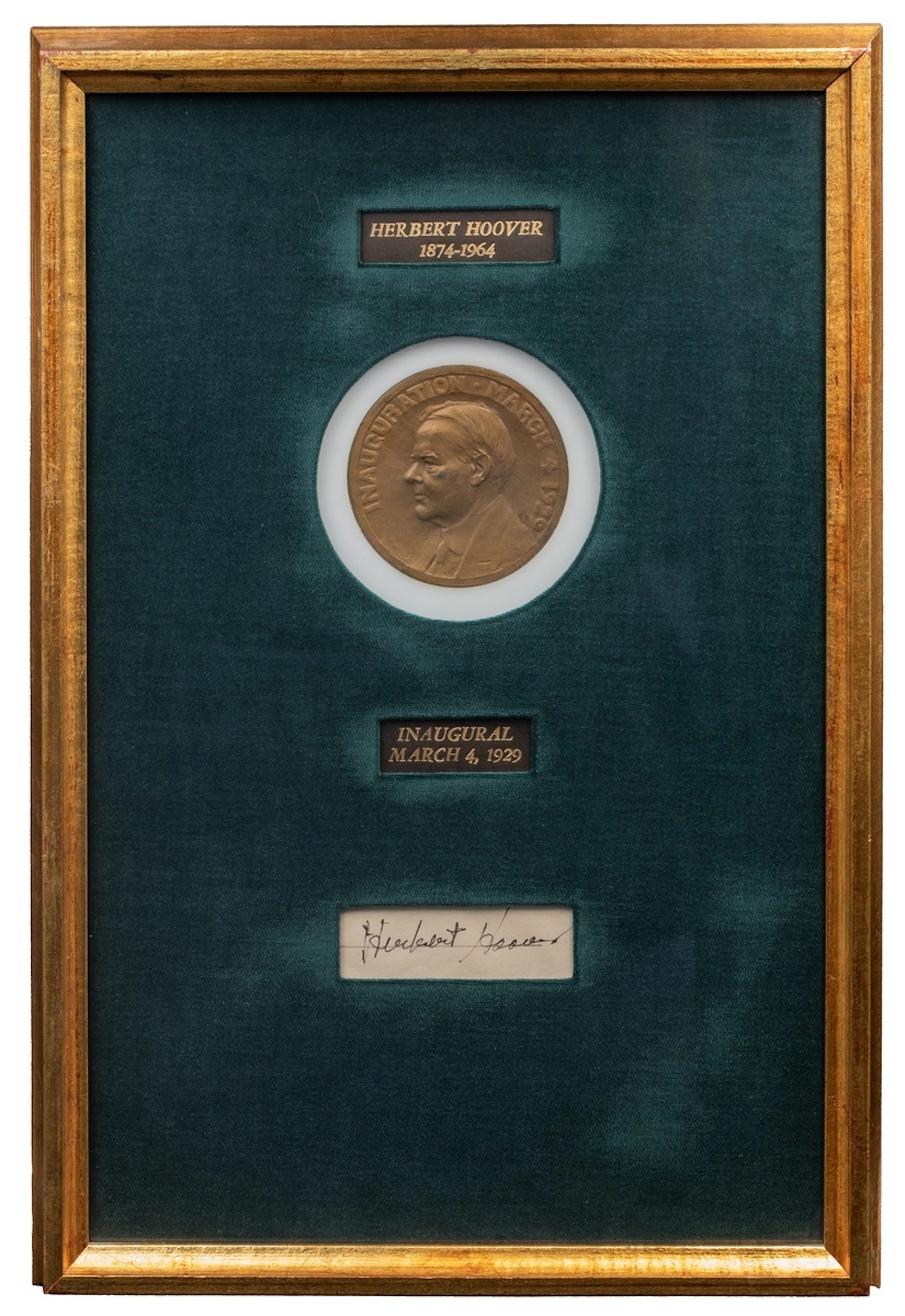
Commanders-in-Chief, HERBERT HOOVER, 31st President of the United
07/30/2026
$550
Est: $200




OCT 17 | 10:00 PM
Bring your auction to collectors worldwide!
Get listed nowBy subscribing, you are agreeing to the privacy policy. Unsubscribe anytime.
Barnebys HQ
Brahegatan 10
BOX 5038
114 37 Stockholm
