



NOV 7 | 5:00 PM

All auctions / Ancient Art / Celtic - Ancient Roman Bronze Pin collection (No reserve price)


Celtic – Ancient Roman Bronze Collection of Pins and Hairpins Culture / Period: Celtic – Ancient Roman Date / Period: 1st–2nd century AD Material: Bronze Dimensions: 40–130 mm Condition: Good condition. No shipping outside the European Union. Due to complex export regulations concerning cultural goods, this item cannot be shipped outside the EU. Please ensure you have a delivery address within the European Union before placing a bid. Provenance information: Object Registration ID: 1055 The current owner (S.N.J. S.) purchased the collection of bronze pins from J.P. in Eijsden, the Netherlands. The previous owner, J.P. from Eijsden (the Netherlands), stated that the objects had been in his collection since the 1990s. According to the previous owner, the objects had previously been in a private collection in the Netherlands since the 1990s. No further information concerning the earlier ownership history of the objects was available from the previous owner. Background Information: Bronze pins and hairpins were widely used throughout the Celtic and Roman world, serving practical and decorative purposes in personal dress, hairstyling and everyday life. During the 1st and 2nd centuries AD, traditional Celtic metalworking practices continued alongside Roman fashions and manufacturing techniques, particularly in the northwestern provinces of the Roman Empire. This collection consists of bronze pins displaying a variety of lengths, shapes and decorative terminals. Several examples feature rounded or globular heads, while others have elongated, ribbed or moulded decorations. The collection also includes curved and hook-shaped forms, illustrating the diversity of bronze fastening and personal accessories used during this period. Hairpins were important accessories in Roman personal grooming, particularly for women who arranged their hair in elaborate styles. Pins were used to secure braids, coils and carefully arranged hairstyles, sometimes in combination with ribbons, hairnets and other ornaments. Their decorative heads remained visible within the hairstyle, combining practical functionality with personal adornment. Bronze pins were also used for fastening garments and securing textiles, depending on their construction and form. In Celtic communities, bronze pins had a long tradition extending back into the prehistoric Iron Age. They were used as dress accessories and practical fasteners, with decorative forms reflecting regional craftsmanship and personal preferences. Following the Roman expansion into Gaul and the Rhine provinces, indigenous traditions increasingly interacted with Roman styles, producing a varied material culture in which local designs and Roman influences existed alongside one another. The different terminals represented in this collection illustrate the craftsmanship involved in producing even relatively simple personal objects. Rounded heads, moulded collars and ribbed decorations required careful shaping and finishing. Bronze pins could be manufactured through casting, hammering and subsequent hand-finishing, while decorative details were sometimes added through engraving or further metalworking. Their production formed part of established workshop traditions supplying both civilian communities and military settlements. During the 1st and 2nd centuries AD, particularly under the Flavian, Trajanic, Hadrianic and Antonine emperors, the northwestern Roman provinces experienced considerable economic and cultural development. Towns, rural villas, military forts and trading settlements created a growing demand for personal accessories and household equipment. Bronze pins and related objects circulated through regional markets and trade networks, reaching areas such as present-day France, Germany, Belgium and the Netherlands. The variety of shapes and decorative features in this collection reflects the importance of small bronze accessories in personal appearance and everyday activities. Such objects were closely connected to the clothing, grooming habits and practical needs of people living within the Celtic and Roman cultural traditions. This collection provides a direct and tangible connection to daily life during the early Roman Imperial period, illustrating the continuity of Celtic craftsmanship and the influence of Roman fashions on personal accessories used nearly two thousand years ago.
Estimate:$235.31
To the auctionView all items fromCatawikiorAncient Art
Estimate:
$235.31
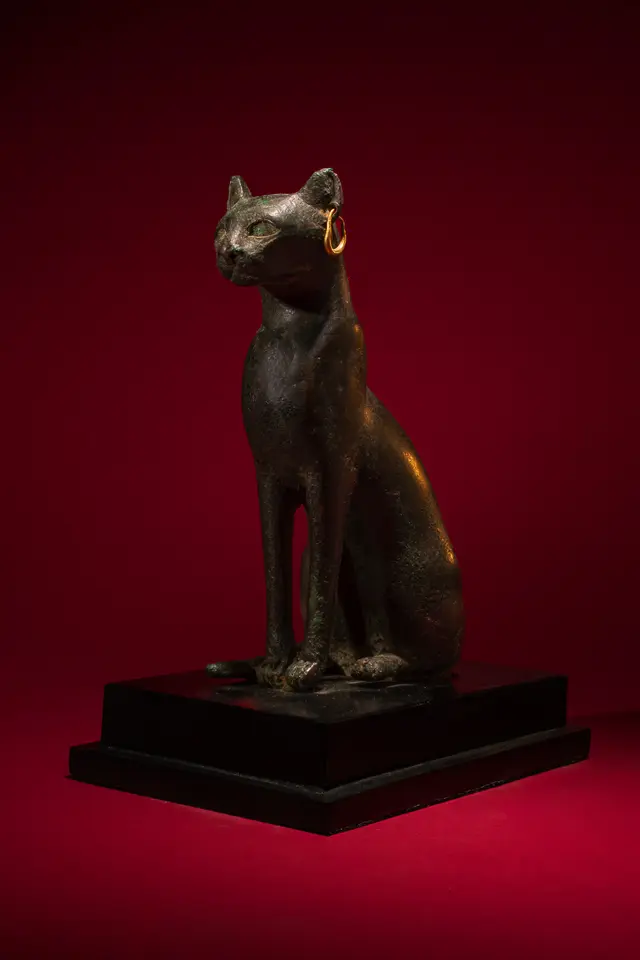
RARE EGYPTIAN BRONZE CAT STATUETTE WITH GOLD EARRINGS - LARGE SIZE
06/21/2026

$29,141.2
Est: $26,836.62
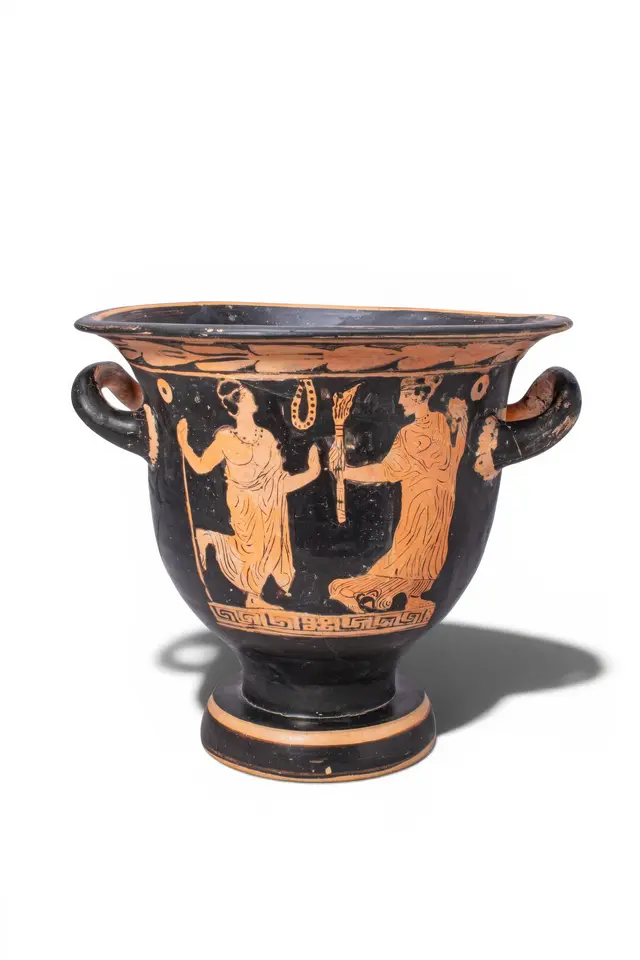
APULIAN RED-FIGURE BELL KRATER WITH KOMASTOS AND MAENAD - TL TESTED
06/21/2026
$3,443.96
Est: $2,640.96
NOV 7 | 5:00 PM


NOV 12 | 10:00 AM

NOV 8 | 1:00 PM
Bring your auction to collectors worldwide!
Get listed nowBy subscribing, you are agreeing to the privacy policy. Unsubscribe anytime.
Barnebys HQ
Brahegatan 10
BOX 5038
114 37 Stockholm
