




All auctions / Books, Maps & Manuscripts / Bodoni / Ovidio - Amori - 1802


CONTENTS Through Bodoni's sophisticated printing techniques, each page becomes an aesthetic composition, giving life to Ovid’s words in a way that goes beyond mere text. This book is not only a collection of poems, but a celebration of the encounter between the art of language and the art of printing. Owning this edition means immersing oneself in a glorious past, where passion, love, and art blend into a timelessly beautiful symphony. An indispensable piece for lovers of classical poetry and refined art objects. Along with myth, eros is the great source of inspiration for the poet of Sulmona, who in his epitaph wished to define himself as a “playful singer of tender loves.” Pretending to narrate episodes of a private sentimental novel, Ovid disguises as an autobiographical tale the stories sung by Catullus, Tibullus, and Propertius. What gives unity to the songbook is precisely the voice of the poet-in-love that expresses the torments of every lover, while the figure of Corinna, though described in all her dazzling beauty, appears only as a pale idealization of the many young girls he courted. In the final elegy of Latinity love is no longer a burning and exclusive passion, a total devotion to the one beloved woman, but whim and gallant adventure where pathos and drama melt into irony, intellectual play, and a taste for paradox. Giambattista Bodoni (Saluzzo, 1740 – Parma, 1813) was an Italian engraver, typographer, and printer, famous for the typefaces he created: the Bodoni fonts. Ferdinando, Duke of Parma, named him director of the Royal Typographic Press of Parma. He published hundreds of elegant editions of classics, in which he used the widest alphabetical catalog and collection of typefaces published up to that moment. Each page is a masterful work of elegance and typographic architecture, and the magical sequence of characters enhances the enchantment of these books, unique in the world. The typography was located inside the old ducal Palazzo della Pilotta, where the Bodoniano Museum is currently housed. Bodoni editions enjoyed enormous success; members of European aristocracy, collectors, and scholars used his books as he himself mixed the inks, used the finest quality paper, designed elegant pages, and printed and bound them artistically. Among the most famous editions are Virgilio’s Eclogues (Buccolicæ) as well as Epithalamia exoticis linguis reddita by De Rossi (1775), the works of Horace (1791) and Poliziano (1795), The Jerusalem Delivered and the Lord's Prayer (1806), and the famous Iliad. He received honors from the pope, from various European kings, and the city of Parma minted a medal in his honor. Publius Ovidius Naso, known simply as Ovid; Latin poet (Sulmona 43 BC – Tomi, on the Black Sea, 17 AD). He came to Rome very young, studied rhetoric there, but soon turned to poetry. He was in contact with the greatest literary figures of his time, such as Messalla, Cornelius Gallus, Propertius, Horace, and frequented Augustus’s court, leading a brilliant life. He held minor magistracies, after a schooling trip to Greece, Egypt, and Asia, and a stay in Sicily; in Rome, in a few years, he had three marriages, only the third long and happy. Meanwhile, from the early years, in Messalla’s circle, he had written a tragedy, Medea, highly praised in antiquity, and had begun composing a love-satirical canzoniere in elegiac couplets, published in 14 BC in five books and later revised into three books a few years after: the Amores. To this collection of light, playful poems followed the Heroides (originally Epistulae), fictional letters written by famous mythological heroines to their lovers, probably revised and issued several times, and Ars amatoria (The Art of Love), published in two installments in the early years of the vulgar era. With the latter, Ovid became the darling of all Roman refined society. As a culmination of the Ars, there followed Remedia amoris (a poem in 40 elegiac couplets) and De medicamine faciei (a poem in elegiac couplets on cosmetics, of which about a hundred verses remain). Around 3 AD, Ovid turned to larger-scale works: the Metamorphoses and the Fasti. The former, composed in hexameters, is a vast poem in fifteen books, in which etiological fables and myths are told (which culminate in the metamorphosis of the protagonists). In the Fasti, inspired by Callimachus’s Aitia, the poet wanted to illustrate in elegiac couplets, in twelve books, one for each month of the year, and to chant in order the origin and myths linked to the festivals of the Roman calendar, but the poem was interrupted in book 6 because Ovid, in AD 8, was struck by a harsh decree of Augustus, which ordered him to leave Rome and exile him to Tomi (identified with today’s Constanța) in Scythia. The causes of Ovid’s exile are not clear; “carmen et error,” according to Ovid’s own words in the 2nd book of Tristia, that is, the Ars Amatoria on one hand, and, probably, having become involved (unintentionally, according to various statements by the poet) in some court scandal, largely identified by moderns with the adultery of Julia, Augustus’s granddaughter, exiled in the same year, and D. Junius Silanus. To Tomi Ovid remained until his death, not even obtaining from Tiberius a revocation of the decree. On the way to exile he composed the poem Ibis (in 322 distichs), against a detractor, and the first two books of the Tristia (elegies), followed in AD 12 by three more; in exile he wrote the Epistulae ex Pont o, of which he published three books together with the Tristia, elegies in epistolary form, each dedicated to a friend in Rome (the 4th book of Epistulae ex Pont o was published posthumously), a poem on fishing, Halieutica (of which we have 134 verses), and a carme celebrating Augustus, Livia, and Tiberius in Gothic language. Only minor poems and the tragedy Medea of Ovid have been lost. Ovid is not a profound poet, a deft versifier of extraordinary expressive facility, with fervent imagination and an intelligent temperament of storyteller, colorist, and psychologist. He is a dominant figure in Latin culture, and his influence remains powerful in the Middle Ages, the Humanism, and the Renaissance; only in the modern era has his fame been somewhat diminished. In his early amorous elegies, the Roman society of the time is fully present, now deeply different from late Republican society, often distressed by those problems reexamined in poetry by Virgil or Horace; it is a brilliant world, willing to accept poetry of immediate comprehension and pleasant escape. In the Metamorphoses and in some passages of the Heroides, his talent as a storyteller, painter of the marvelous, and keen psychologist who grasps subtle aspects of the female soul is more incisive than elsewhere; and indeed these two works, and among them especially the greater poem, rich in plastic images and seductive fantasies, have offered endless material for imitation and variation to later literature and to the visual arts. The elegy of exile, though it contains a notable vein of sorrowful poetry, lively recollection of a distant homeland, is vitiated by the desire to please the emperor, to move him to pity and obtain the revocation of the ban. From Ovid, heir of the Hellenistic tradition but not like the neoterics, a precise chisel of verse, the Latin poetic form of the following centuries depends, even more than on Virgil. CONDITION REPORT - COLLECTOR'S COPY Leather binding in editorial cardboard. Book in perfect condition, without notable stains or signs of wear. Pp(2); 8nn. 133; 2nn. Pp(2) FULL TITLES & AUTHORS Amori Me Venus Artificem Tenero Praefecit Amori Cò tipi Bodoniani, 1802 Ovidio
Estimate:$561.85
To the auctionView all items fromCatawikiorBooks, Maps & Manuscripts
Estimate:
$561.85

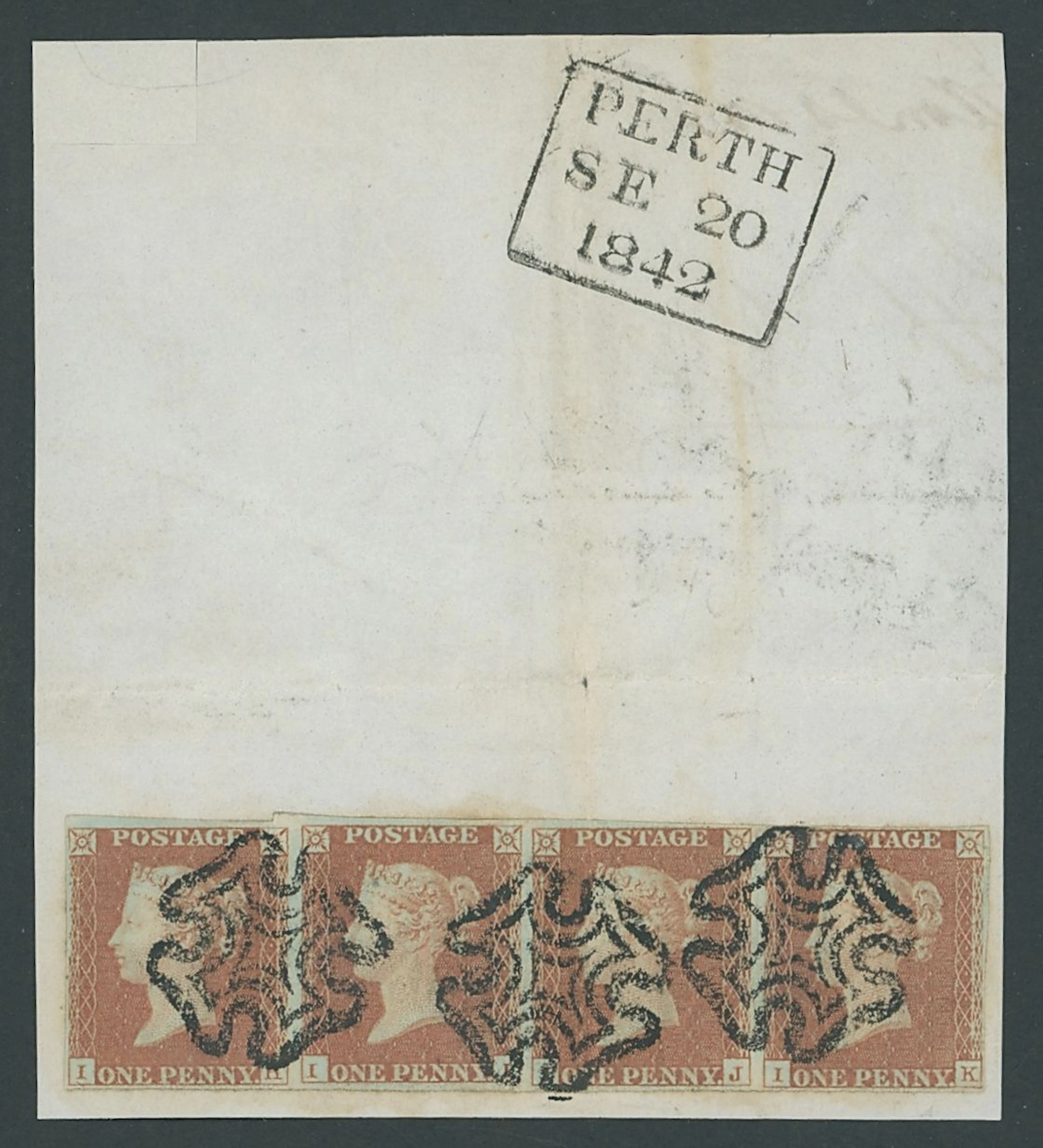
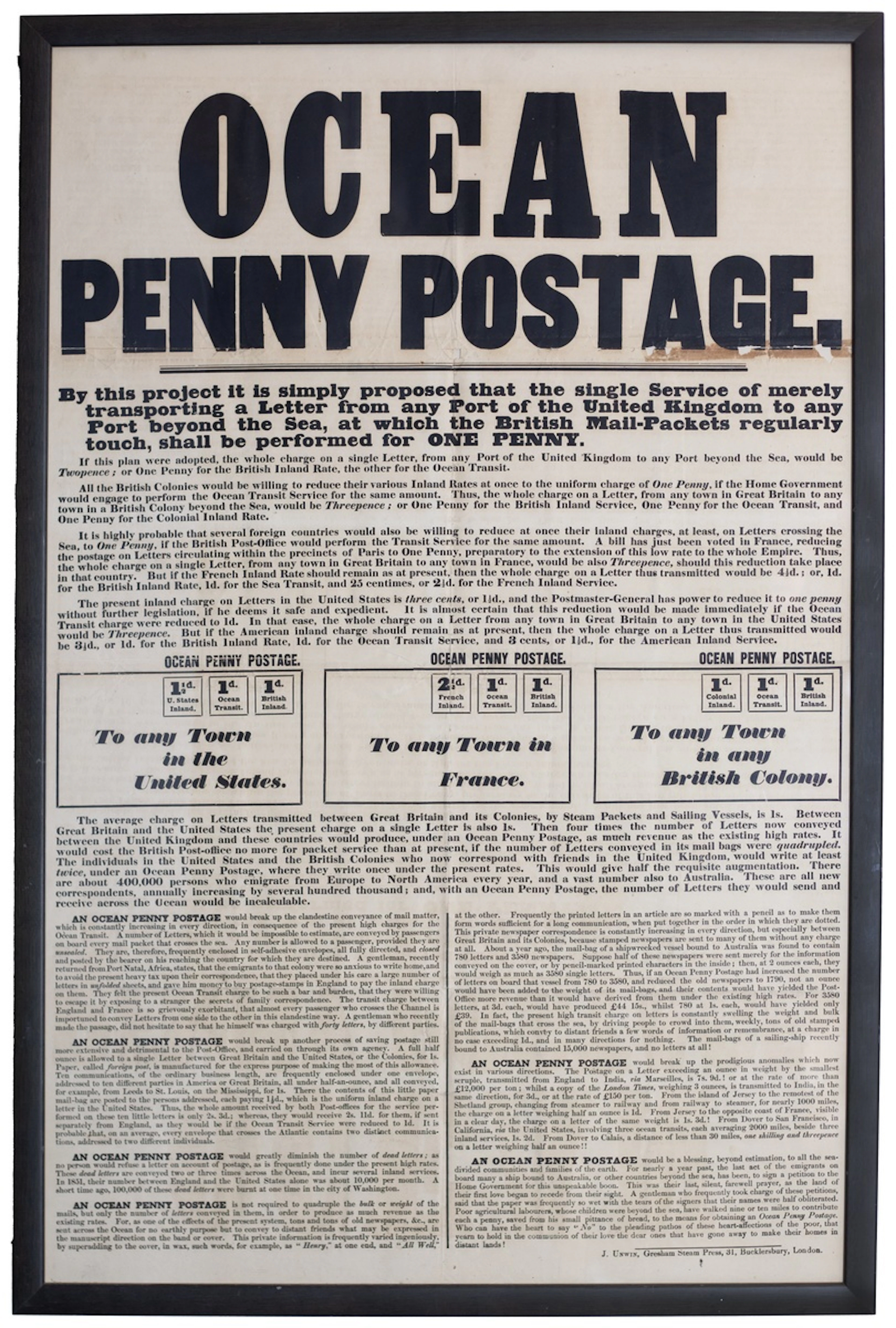
Great Britain Ephemera c.1840 large format Postal Notices titled "Ocean
$266.56
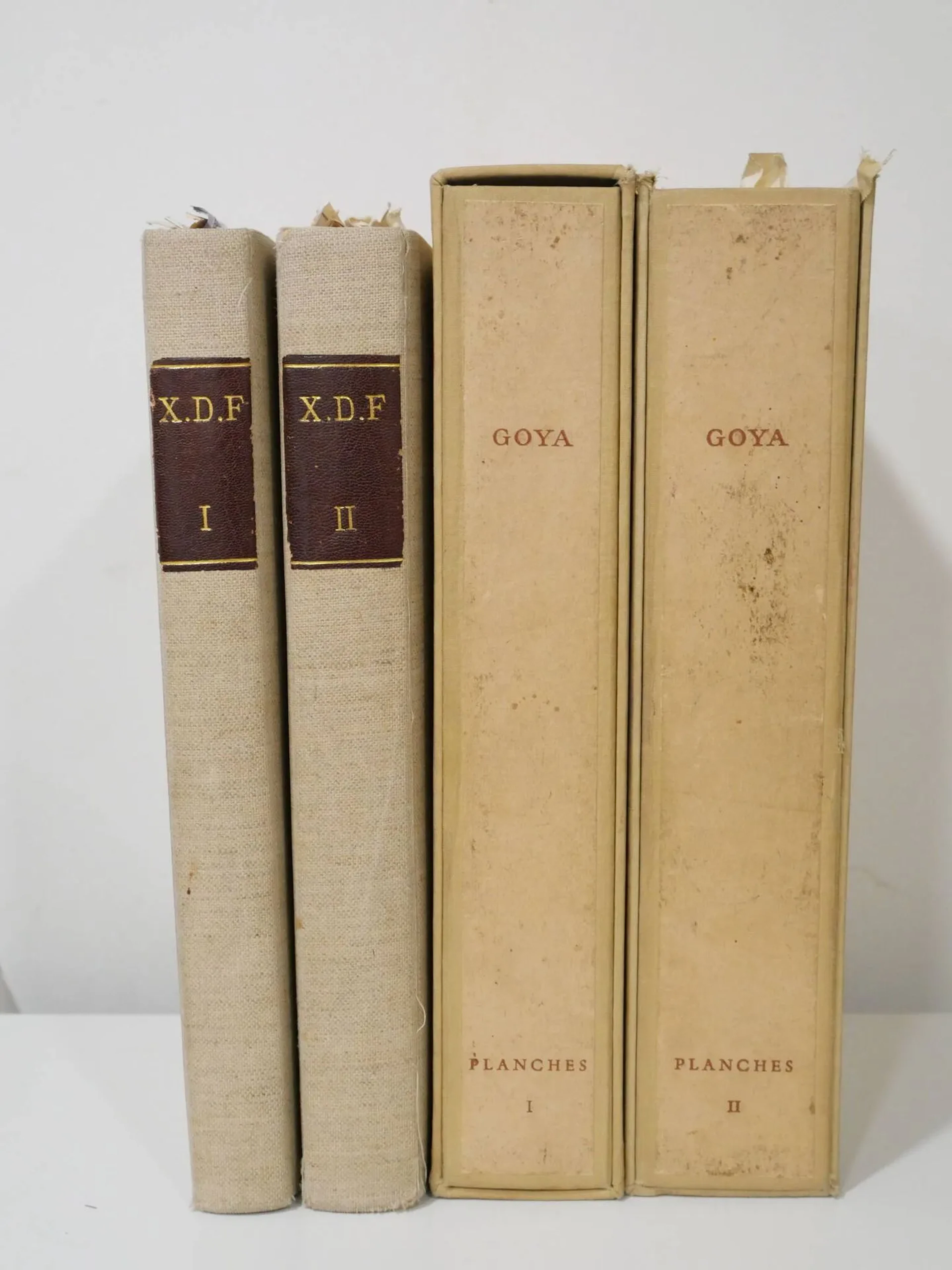
DESPARMET FITZ-GERALD (Xavière). The Paintings of Goya. A Ca - Lot 511
10/14/2026

$117.73
Est: $112.48




OCT 27 | 4:00 PM
Bring your auction to collectors worldwide!
Get listed nowBy subscribing, you are agreeing to the privacy policy. Unsubscribe anytime.
Barnebys HQ
Brahegatan 10
BOX 5038
114 37 Stockholm
