NOV 8 | 1:00 PM

All auctions / Ancient Art / Ancient Roman Silver Septimus Severus Amulet Pendant...

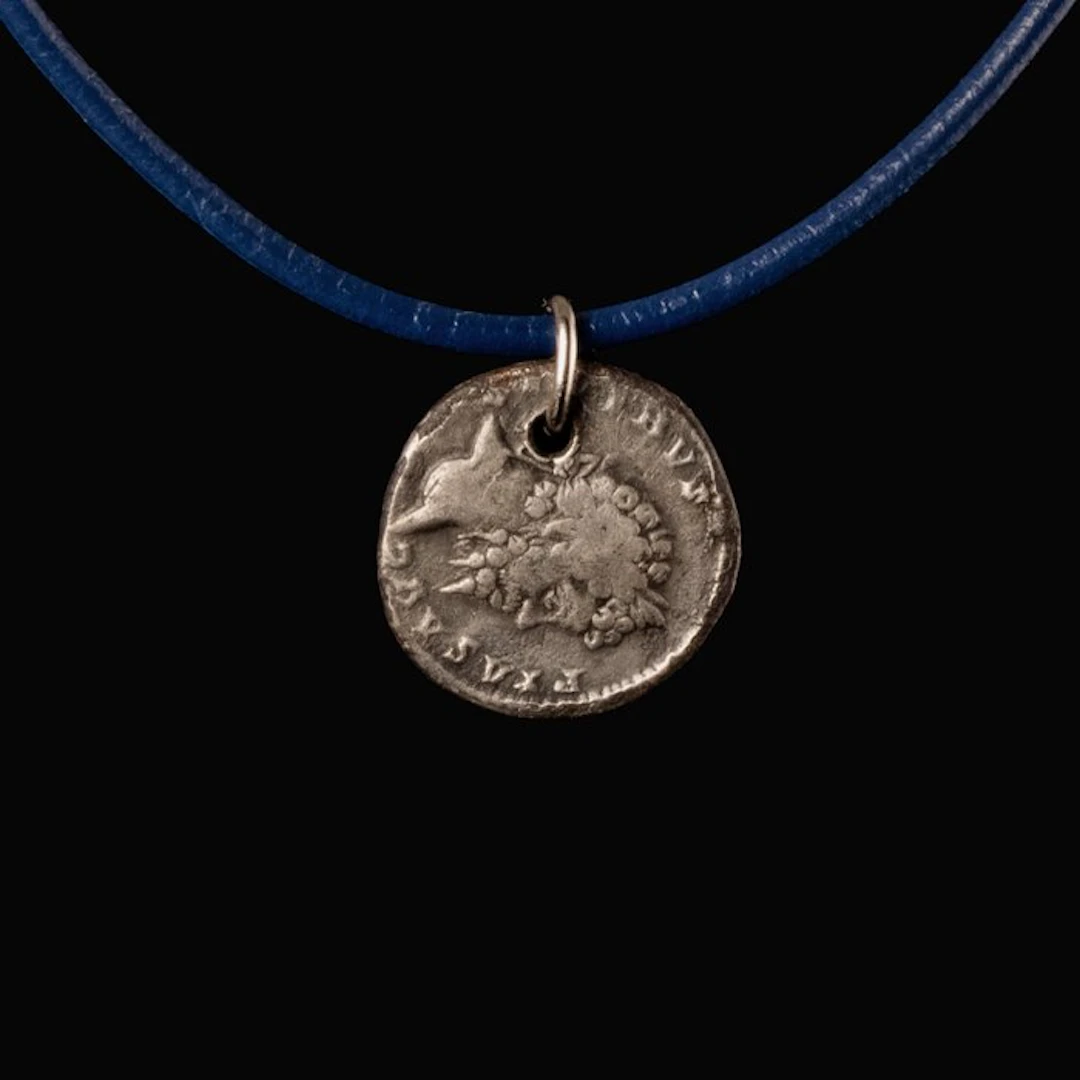
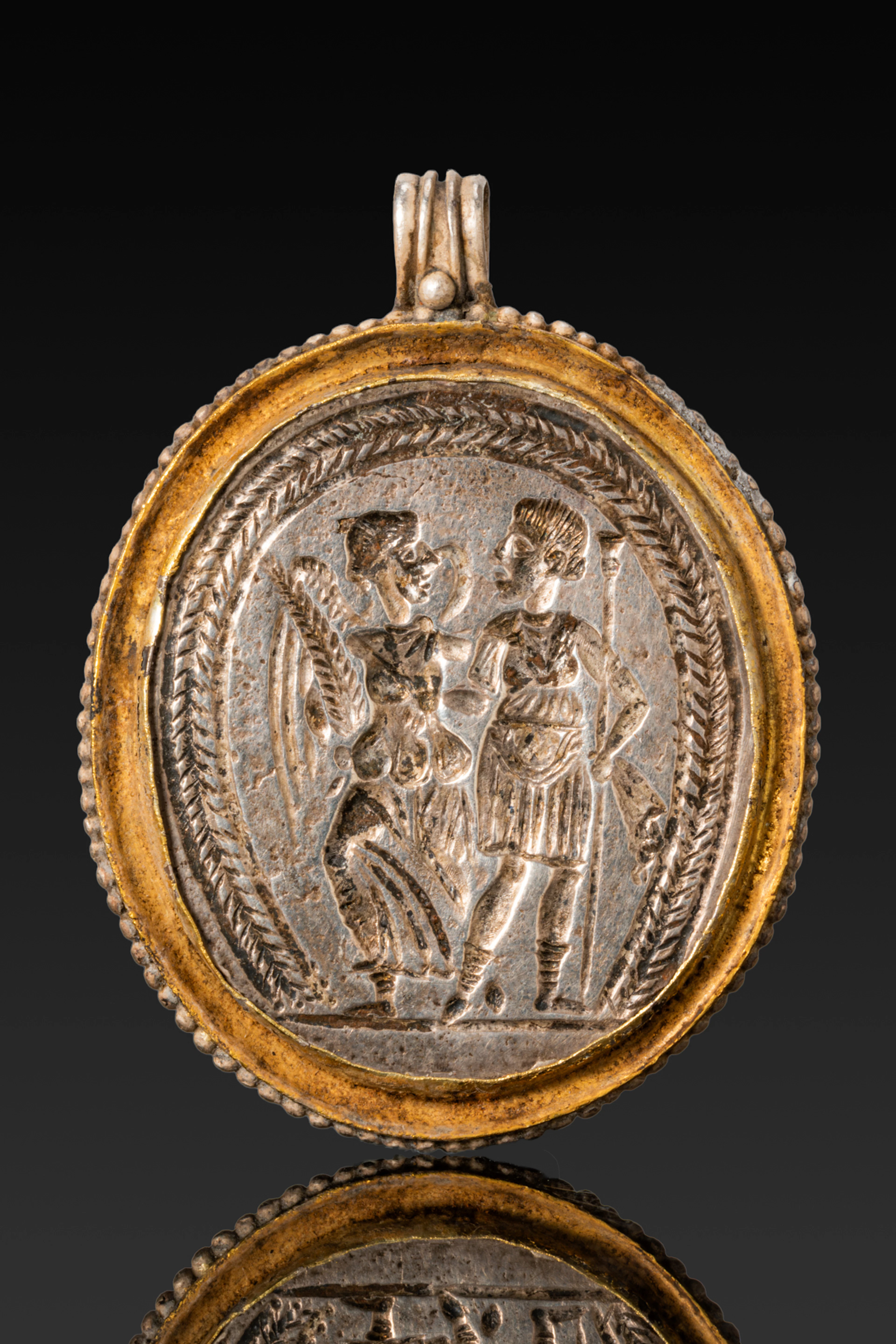
Attention: due to customs regulations we can only ship inside the European Union. Please ensure you have a valid EU shipping address before placing a bid. Ancient Roman subaeratus coin of Septimus Severus, converted in antiquity into a pendant. The coin is now fixed with a modern suspension ring and modern leather jewellery cord. Obverse: Laureate head of Septimus Severus facing right. Reverse: Winged Victory hovering left, holding an open wreath in both hands above a round shield, mounted on a low stand. -> A fourrée (or subaeratus) is an ancient counterfeit coin produced with a base metal core, typically copper or bronze, and covered with a thin layer of precious metal, such as silver or gold, to look like a solid official issue. These coins were created during antiquity by contemporary counterfeiters, or occasionally by official mints trying to stretch resources during economic crises. Today, they are easily recognized when the outer plating wears away or corrodes, exposing the darker base metal underneath. Despite being ancient forgeries, fourrées are highly collectible today as fascinating historical artifacts that reflect the economic conditions and criminal history of the ancient world. Diameter: ± 18.1 mm Condition: good solid condition, attractive dark patina. Minor surface irregularities and signs of wear consistent with age and use. Certificate of Authenticity (PDF) is available upon request for all lots with a hammer price of €100 or higher. -> Septimus Severus: seized power after the death of Pertinax in 193 AD ('Year of the Five Emperors'). He travelled to Britain in 208 AD and strengthened Hadrian's Wall. He is considered a strong and able ruler, the Roman Empire reached its greatest extent under his reign. He was succeeded by his sons Caracalla and Geta. -> Piercing a coin to wear as an amulet is an ancient custom that transforms a piece of currency into a protective talisman or jewellery. Individuals drilled a hole near the edge of a coin to suspend it from a cord or sew it onto clothing, shifting its purpose from financial trade to spiritual defence. This practice relied on the symbolic power of the coin's imagery or metal to safeguard the wearer. Coins featuring gods, holy figures, or powerful rulers were believed to channel divine protection and ward off evil, while precious metals like gold and silver were often thought to hold natural healing properties. By wearing these potent symbols directly against the body, people created intimate objects of faith, status, and personal identity. Catawiki disclaimer: This object has been carefully examined for its material and surface characteristics. Laboratory analysis (e.g. XRF) is not routinely undertaken in private collecting, and destructive testing is avoided as it causes permanent damage to archaeological material. Before modern hallmarking, gold and silver alloys varied depending on local resources, recycling practices and economic conditions.
Estimate:$235.75
To the auctionView all items fromCatawikiorAncient Art
Estimate:
$235.75
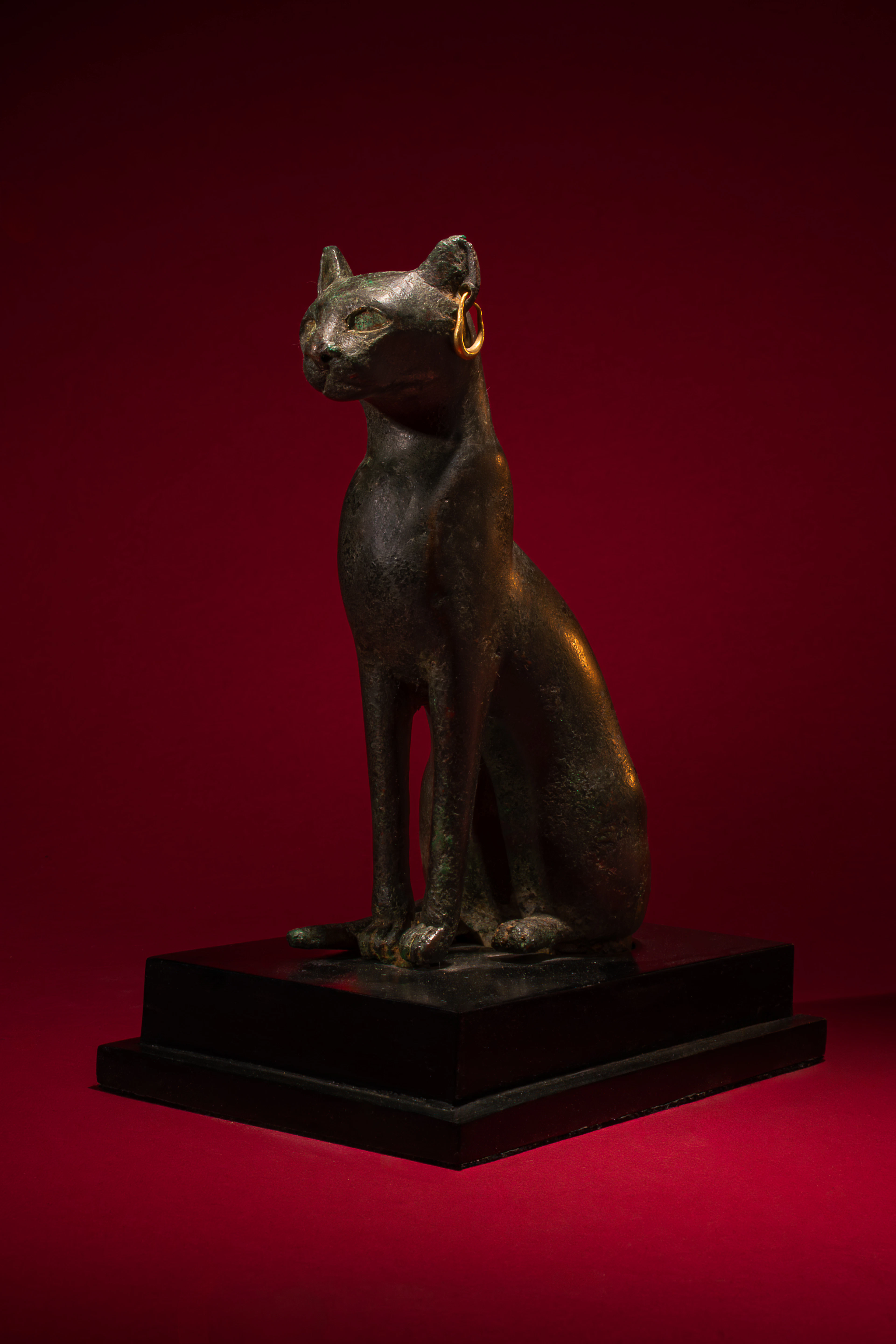
RARE EGYPTIAN BRONZE CAT STATUETTE WITH GOLD EARRINGS - LARGE SIZE
06/21/2026

$29,141.2
Est: $26,836.62
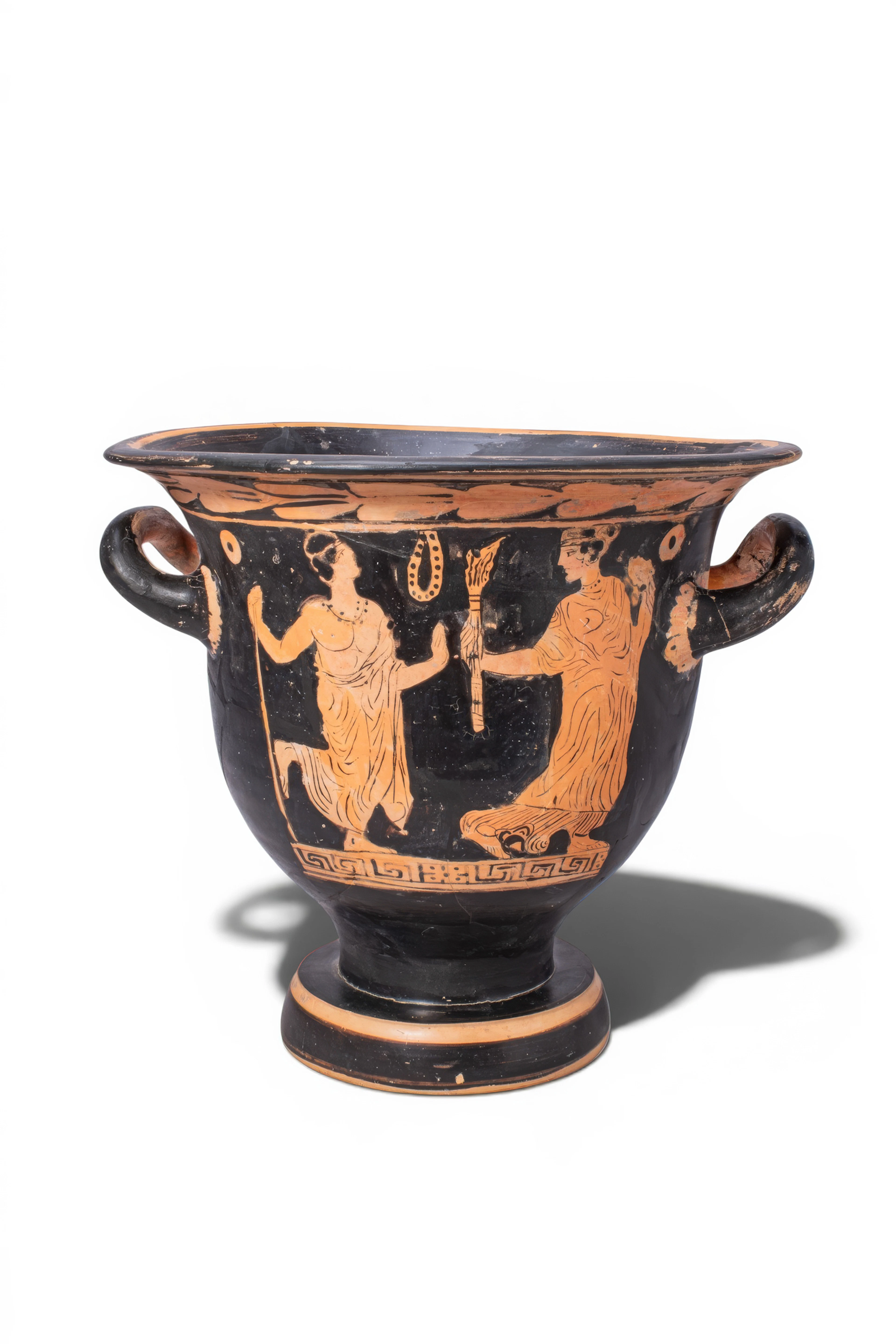
APULIAN RED-FIGURE BELL KRATER WITH KOMASTOS AND MAENAD - TL TESTED
06/21/2026
$3,443.96
Est: $2,640.96
NOV 8 | 1:00 PM


OCT 31 | 4:00 PM

OCT 23 | 8:00 AM
Bring your auction to collectors worldwide!
Get listed nowBy subscribing, you are agreeing to the privacy policy. Unsubscribe anytime.
Barnebys HQ
Brahegatan 10
BOX 5038
114 37 Stockholm
