
Bring your auction to collectors worldwide!
Get listed nowBy subscribing, you are agreeing to the privacy policy. Unsubscribe anytime.
Barnebys HQ
Brahegatan 10
BOX 5038
114 37 Stockholm
All auctions / Ancient Art / Ancient Roman Bone masterpiece Venus Hairpin. 11,2 cm L. 1st - 2nd Century AD

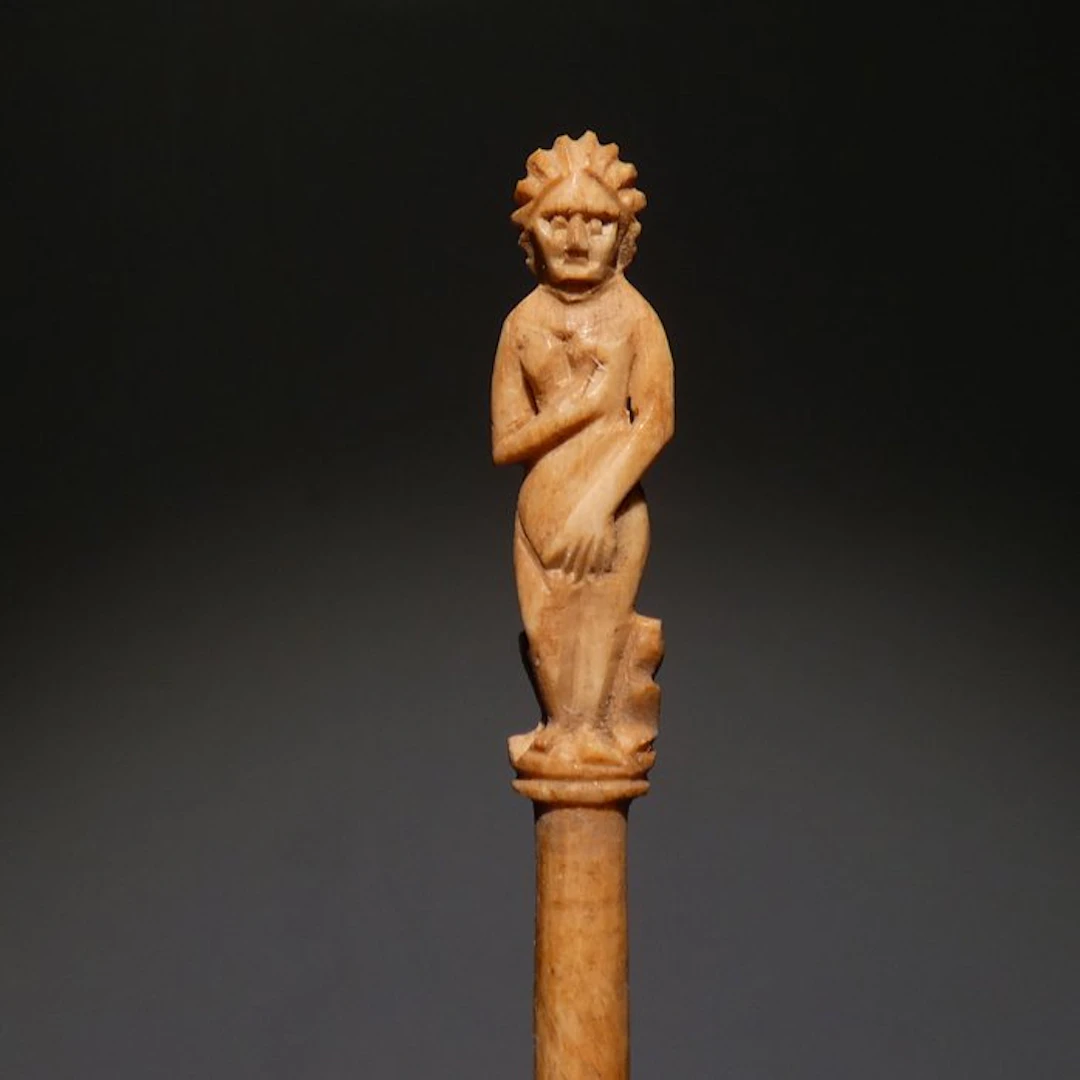
Hairpin decorated wiht a Venus Pudica - very fine - masterpiece - Roman Empire, 1st - 2nd Century AD Bone 11,2 cm long Provenance: Ancient private collection, A.R., London. Acquired in the london art market in 2007. Condition: Good, intact, see photos. Roman pins were probably used to facilitate the elaborate female hairstyles of the period. The hair would have to be twisted and coiled, to prevent the smooth pin from falling out. Examples of hair pins have been found in a wide array of materials, such as bone, bronze, glass, and stone. Most were decorative in design, occasionally boasting ornate figurative heads in the shape of animals, plants, or deities. The Venus Pudica (“modest Venus”) is one of the most influential iconographic types in Classical art. The term refers to representations of the goddess Venus, or Aphrodite in Greek culture, shown nude while attempting to cover her body with her hands. This gesture, which simultaneously conceals and draws attention to the figure’s nudity, became a powerful symbol of feminine beauty, modesty, and sensuality. The origin of this type is generally associated with the famous statue of Aphrodite created by Praxiteles in the fourth century BCE, which was considered revolutionary because it depicted the goddess completely nude. During the Hellenistic and Roman periods, the Venus Pudica motif was widely reproduced in marble statues, bronze sculptures, and decorative artworks. Roman patrons admired Greek artistic traditions and commissioned numerous copies for public buildings, gardens, baths, and private villas. These sculptures emphasized idealized proportions, graceful posture, and refined craftsmanship, reflecting cultural values associated with beauty and divinity. The popularity of the Venus Pudica extended beyond monumental sculpture into the realm of small personal objects. Among these were hairpins, mirrors, cosmetic containers, and jewelry decorated with miniature representations of the goddess. Hairpins, often made of bone, ivory, bronze, or precious metals, sometimes featured carved figures of Venus at the top. These objects served both practical and symbolic purposes. While used in daily grooming and hairstyle arrangement, they also expressed the owner’s appreciation of elegance, femininity, and classical culture. The appearance of Venus Pudica imagery on such intimate items demonstrates how artistic ideals circulated throughout different levels of society. Rather than being confined to temples or elite collections, the image became part of everyday life. Through both large-scale sculptures and small decorative objects, the Venus Pudica remained a lasting embodiment of beauty, modesty, and artistic excellence in the classical world.
Estimate:$2,494.92
To the auctionView all items fromCatawikiorAncient Art
Estimate:
$2,494.92
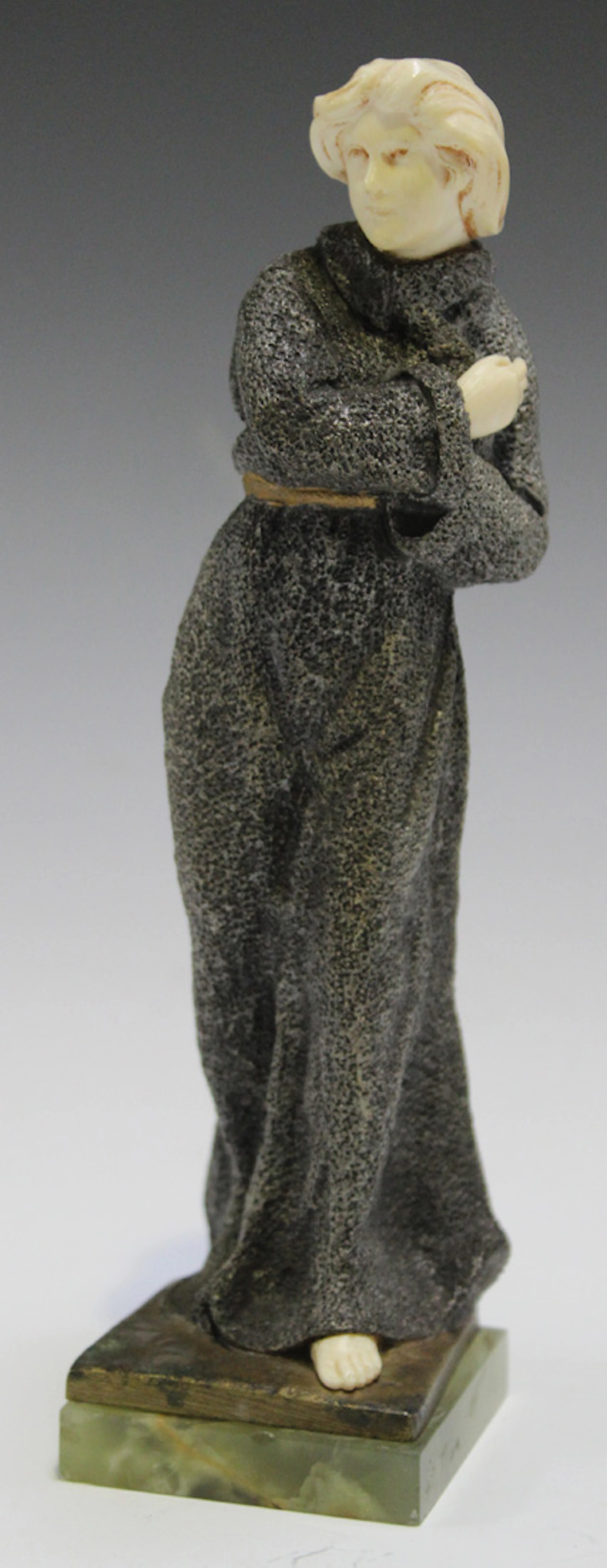
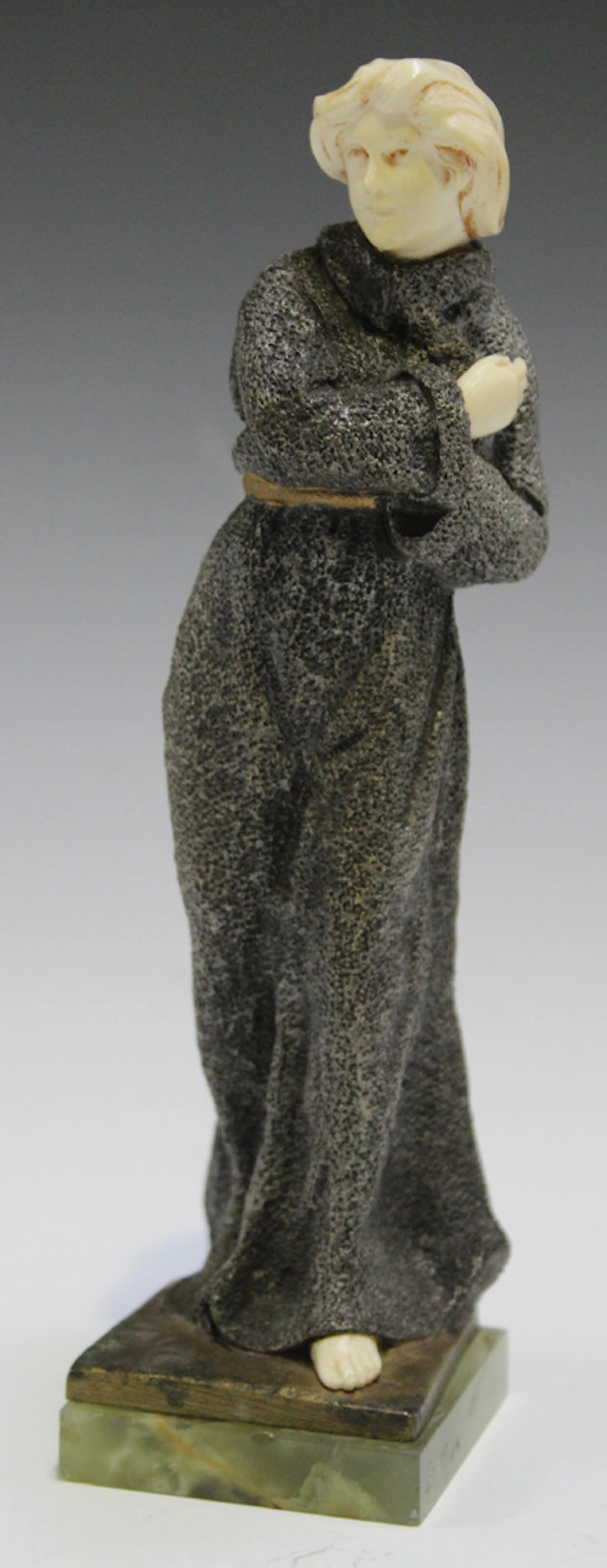
AN EARLY 20TH CENTURY CAST BRONZE AND CARVED IVORY FULL-LENGTH FIGURE
03/29/2016
$556.79


Bring your auction to collectors worldwide!
Get listed now
AN EARLY 20TH CENTURY CAST BRONZE AND CARVED IVORY FULL-LENGTH FIGURE
03/29/2016
$556.79
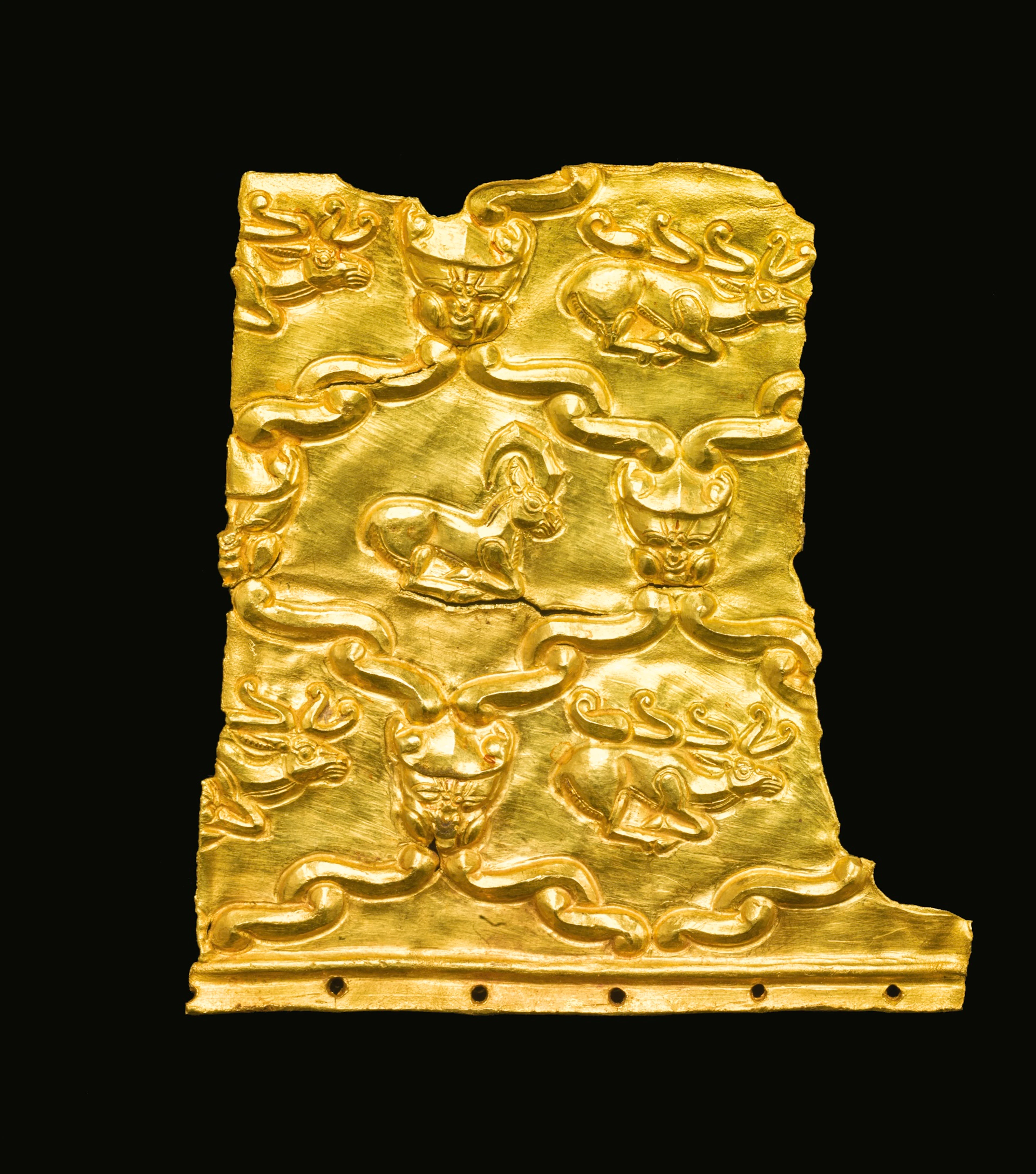
A PERSIAN GOLD BELT FRAGMENT, ZIWIYE , CIRCA 7TH CENTURY B.C. | A
12/08/2015

$35,000
Est: $40,000